EN
EN

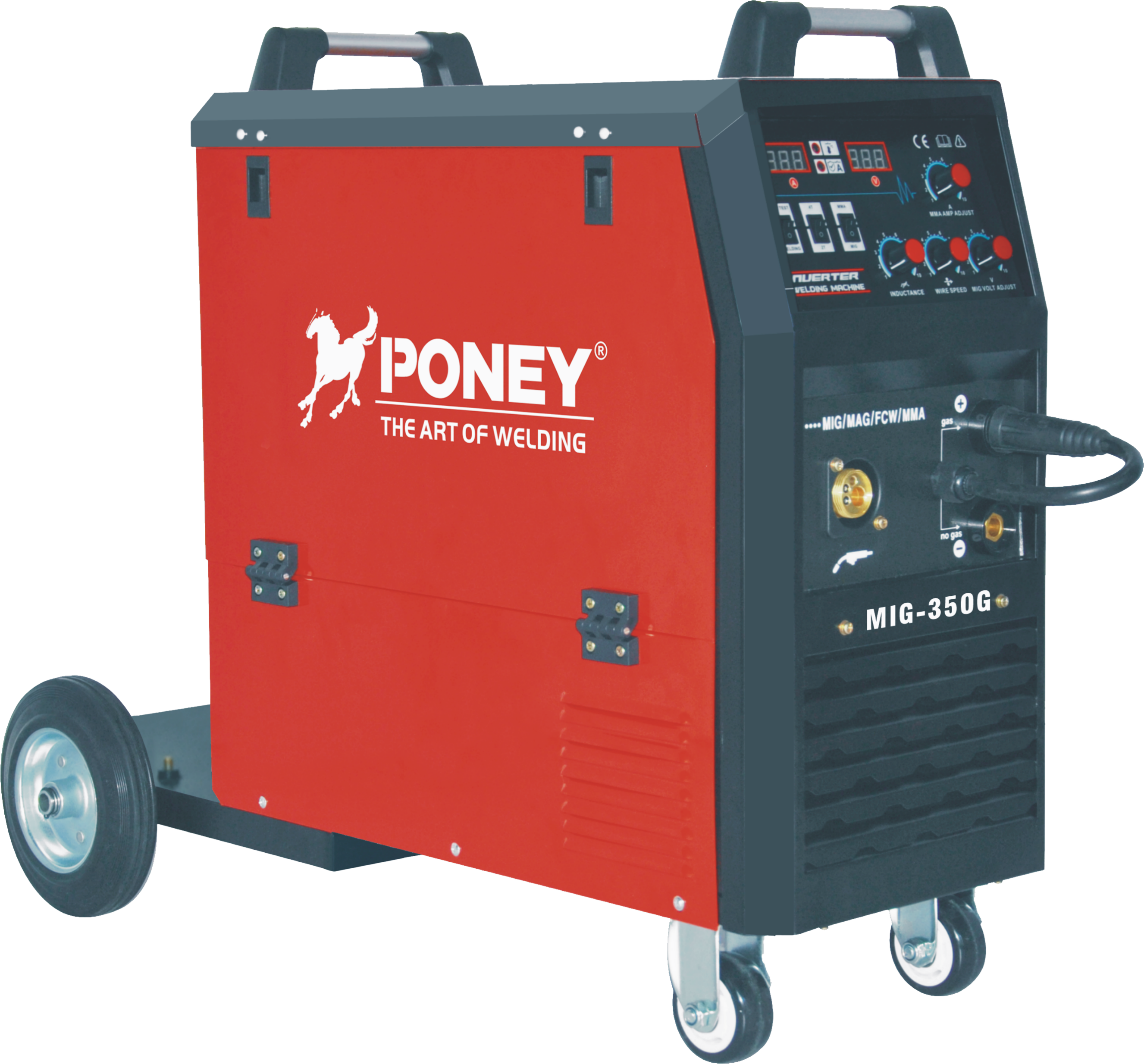
CO2 welding has become the backbone of modern high-speed fabrication environments because it delivers the combination of speed, reliability, and cost-effectiveness that manufacturers demand. When production timelines are tight and quality cannot be compromised, CO2 welding stands out as the preferred choice for facilities handling large volumes of work. This welding process enables operators to maintain consistent arc stability, achieve faster travel speeds, and complete more welds per shift than many alternative processes. Understanding why CO2 welding works so well in demanding production settings helps fabricators optimize their operations and stay competitive in fast-paced markets.
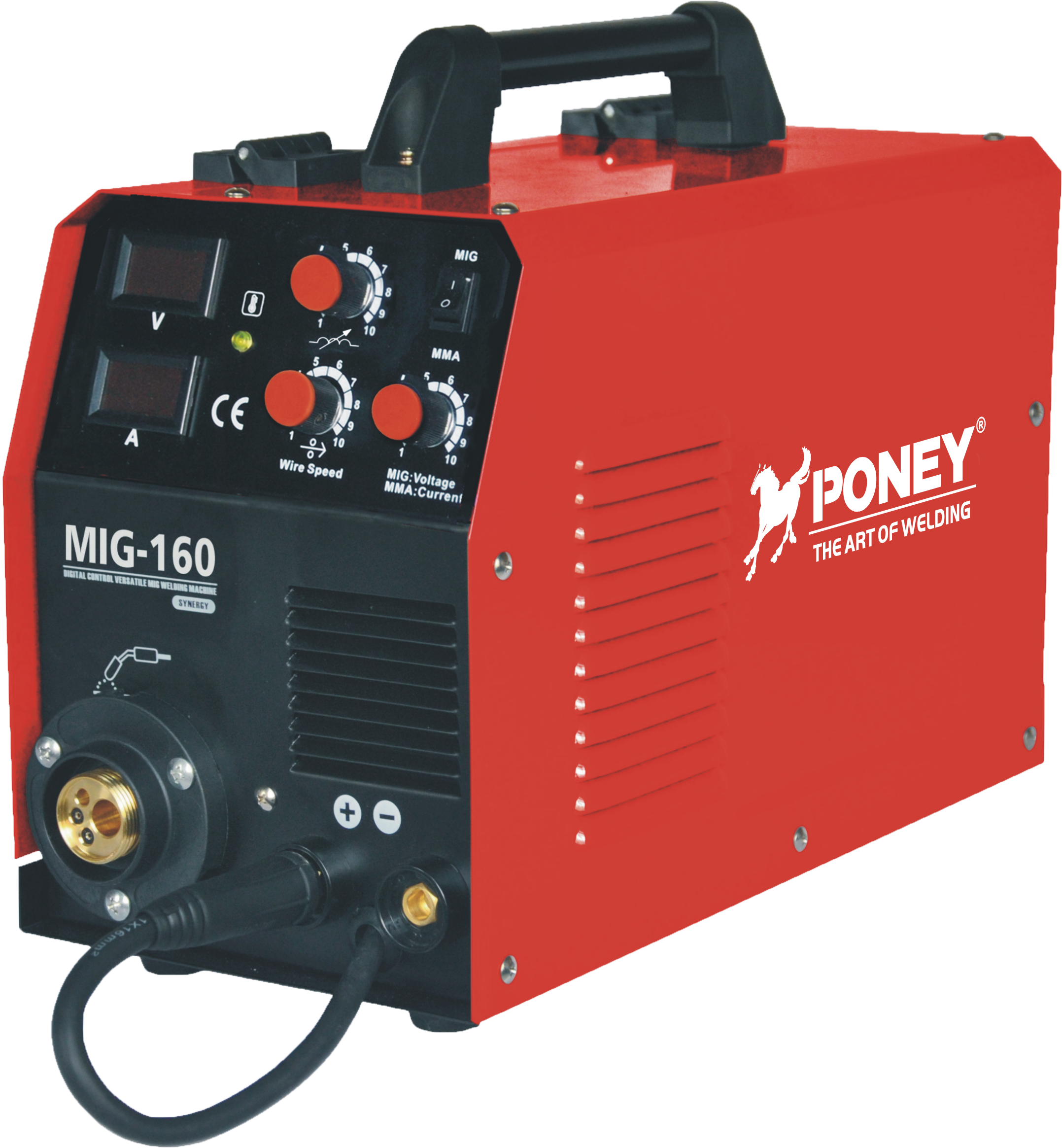
In high-speed fabrication, every second counts. CO2 welding delivers the penetration and bead geometry needed to pass stringent quality inspections while maintaining rapid production cycles. The process excels in environments where throughput directly impacts profitability, making it the logical choice for contract manufacturers, automotive suppliers, and heavy fabrication shops that run continuous production schedules.
Speed and Arc Stability in CO2 Welding
Why CO2 Welding Achieves Faster Deposition Rates
CO2 welding operates at higher wire feed speeds compared to other shielding gas options, allowing operators to complete welds in less time without sacrificing penetration. The shielding gas mixture in CO2 welding creates a stable arc that resists interruption, even when travel speed increases. This combination means that CO2 welding can maintain consistent quality across hundreds of welds per day, a critical advantage in high-volume production. Fabricators running tight schedules appreciate that CO2 welding reduces the time per weld, directly translating to more finished parts shipped each week.
Arc Consistency and Bead Quality
The stability of the arc in CO2 welding comes from the shielding gas protecting the weld pool from atmospheric contamination while maintaining predictable heat input. This predictability means that CO2 welding produces repeatable bead profiles, reducing rework and scrap rates. Quality inspectors in high-speed environments favor CO2 welding because the process minimizes defects like porosity, undercut, and incomplete fusion. When hundreds of identical parts move through a production line, CO2 welding ensures that quality remains uniform from the first weld to the last.
Cost Efficiency and Material Performance
Lower Gas and Material Costs
CO2 welding uses a simple shielding gas composition, making it far less expensive than specialized gas mixes required for other processes. The wire consumption in CO2 welding is also efficient because the process transfers metal smoothly into the weld pool with minimal spatter. In high-speed fabrication environments where material costs multiply across thousands of welds, the economical nature of CO2 welding significantly impacts the bottom line. Fabricators operating on tight margins find that CO2 welding helps them maintain profitability even during market pressure to reduce costs.
Penetration and Strength in Production Welds
CO2 welding delivers adequate penetration for most fabrication applications without requiring post-weld heat treatment or expensive qualification procedures. The weld strength produced by CO2 welding meets or exceeds the strength of the base metal in carbon steel and mild steel applications, which represent the bulk of high-speed fabrication work. This reliability means that operators running CO2 welding systems can trust the process to pass first-article inspections and production certifications without extensive testing. The structural integrity of CO2 welds allows manufacturers to focus on speed rather than worrying about quality compliance.
Equipment Reliability and Operator Ease
Simple Setup and Consistent Performance
CO2 welding equipment requires straightforward parameter configuration, making training faster and reducing operator error. High-speed fabrication facilities often employ workers with varying skill levels, and CO2 welding accommodates this reality by maintaining forgiving arc characteristics across a range of settings. The process tolerates minor variations in travel speed, gun angle, and distance from the workpiece better than processes requiring tighter control. This robustness allows fabricators to maintain production volume even when staffing includes newer or less experienced operators.
Minimal Downtime and Maintenance
CO2 welding systems operate with fewer consumable components compared to more complex processes, reducing downtime for maintenance and changeover. The contact tips, nozzles, and liners in CO2 welding equipment last longer under continuous production use, which matters in environments running eight- or twelve-hour shifts. Technicians can perform routine maintenance quickly without stopping production for extended periods. When throughput depends on maximizing uptime, the dependability of CO2 welding equipment becomes a competitive advantage that justifies its selection over alternative processes.
Application Suitability for High-Volume Production
Ideal Material Types and Thicknesses
CO2 welding works exceptionally well on carbon steel, which dominates high-speed fabrication shops producing structural components, pressure vessels, and industrial equipment. The process handles mild steel and low-alloy steel across a wide range of thicknesses without requiring process changes or special equipment modifications. CO2 welding performs reliably on both thin sections that demand finesse and heavy plates that require deep penetration. This versatility allows fabricators to consolidate their welding operations around CO2 welding systems rather than maintaining separate processes for different material types.
Production Schedule Compatibility
High-speed fabrication environments demand processes that can sustain continuous operation without frequent adjustments or recalibration. CO2 welding delivers this stability by maintaining consistent arc characteristics throughout extended production runs. Operators can program weld parameters for a specific joint design and then execute hundreds of identical welds without intervention. The predictability of CO2 welding allows plant managers to schedule maintenance windows strategically rather than dealing with unexpected equipment failures that disrupt production schedules.
FAQ
Why is CO2 welding more cost-effective than argon-based processes in high-speed environments?
CO2 welding uses pure carbon dioxide or a simple CO2-argon blend as shielding gas, which costs significantly less than specialty gas mixtures. The wire transfer characteristics in CO2 welding also produce less spatter, reducing material waste across high-volume production. Over thousands of welds, the cumulative savings from lower gas costs and reduced spatter make CO2 welding substantially more economical for high-speed fabrication shops.
Can CO2 welding maintain quality standards during continuous high-speed production runs?
Yes, CO2 welding maintains consistent quality across extended production cycles because the process features inherent arc stability and predictable heat input. The bead geometry and penetration characteristics remain uniform as long as equipment parameters remain stable, which means quality inspectors see minimal variation between welds produced early and late in a production shift. This consistency makes CO2 welding reliable for meeting certification requirements and customer specifications in demanding fabrication environments.
What material types benefit most from CO2 welding in fabrication work?
Carbon steel and mild steel represent the primary material types where CO2 welding excels in high-speed fabrication. These materials represent the majority of structural and industrial applications that require rapid production cycles. CO2 welding also performs well on low-carbon steel and some low-alloy applications, making it suitable for a broad range of fabrication work beyond specialty materials that might demand alternative processes.