EN
EN

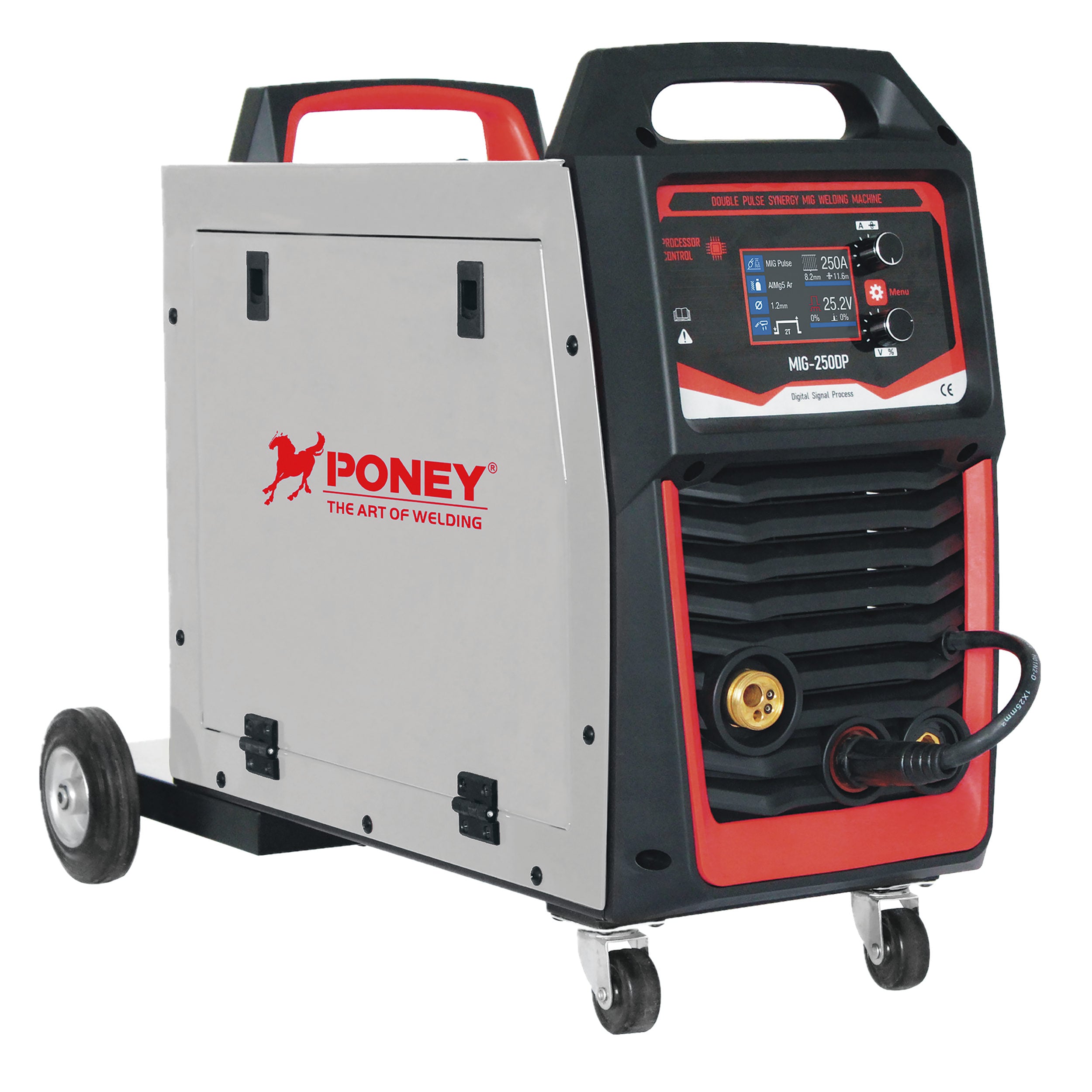
The choice of an aluminum welder fundamentally determines whether your welding operations achieve consistent, high-quality surface finishes or struggle with defects and rework. An aluminum welder selection process that overlooks critical performance factors directly leads to surface irregularities, porosity, spatter, and finish inconsistencies that compromise product aesthetics and structural integrity. Industrial manufacturers, fabricators, and welding shops understand that selecting the right aluminum welder is not merely a procurement decision—it is a strategic investment in production quality and operational efficiency.
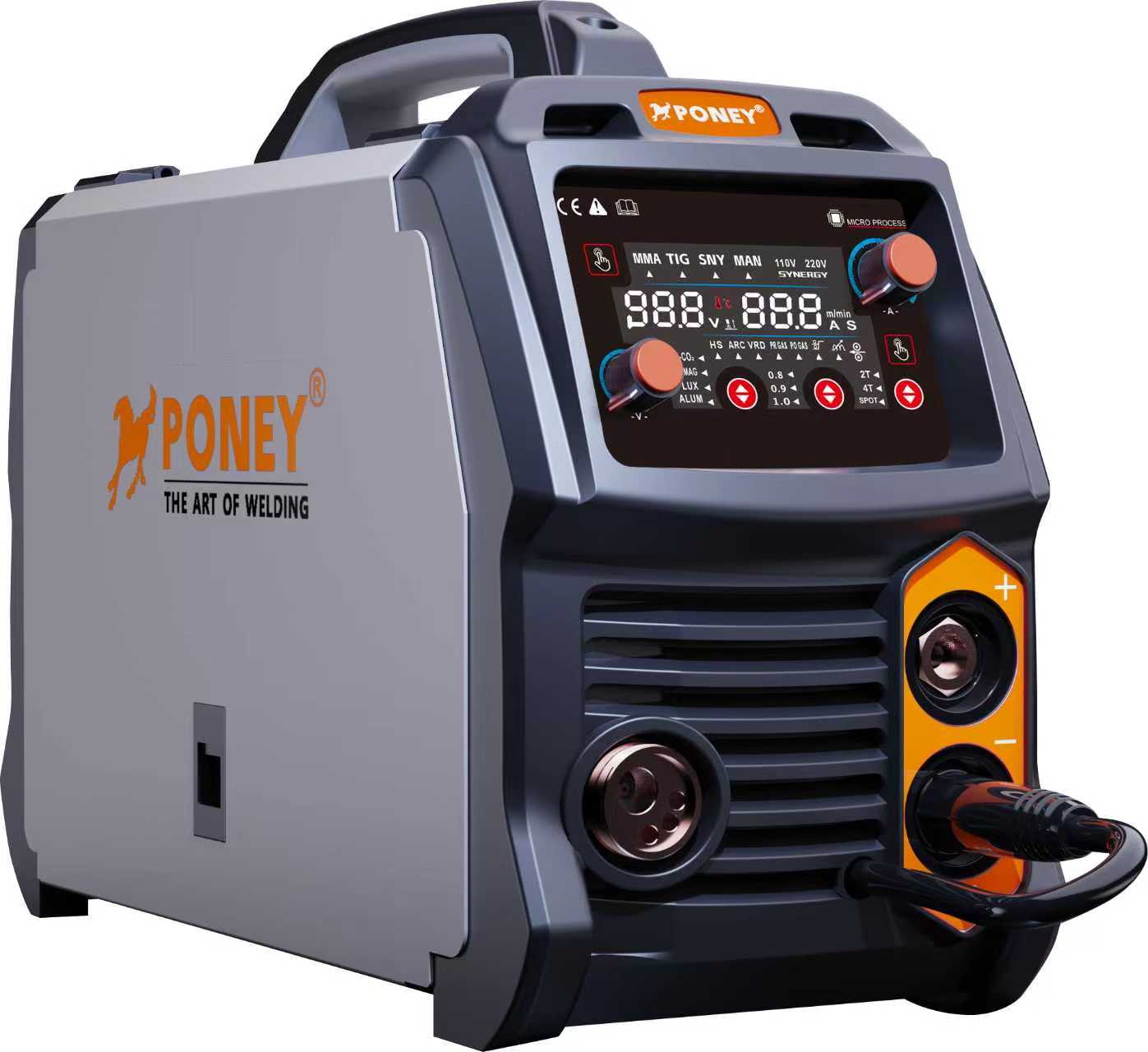
Surface finish consistency in aluminum welding depends on multiple interconnected variables: arc stability, heat input control, shielding gas dynamics, wire feed precision, and thermal management. When you select an aluminum welder without evaluating these performance dimensions, you introduce unpredictable variations into every weld bead. The relationship between aluminum welder specifications and surface finish outcomes is direct and measurable, making informed equipment selection essential for maintaining quality standards across production batches.
How Aluminum Welder Power and Arc Stability Influence Finish Quality
Power Output and Consistency in Arc Delivery
An aluminum welder with inadequate or unstable power output produces erratic arc behavior that manifests as surface irregularities and uneven bead geometry. Modern aluminum welding requires precise amperage control and rapid response to changing wire feed and arc length conditions. Industrial-grade aluminum welders equipped with synergic systems automatically adjust voltage and wire speed in response to real-time arc sensing, ensuring smooth, consistent penetration and minimal spatter. When selecting an aluminum welder, confirm that power delivery remains stable across the entire operating range and that the equipment includes adaptive arc control features designed specifically for aluminum's unique electrical properties.
Thermal Management and Heat Distribution
Aluminum conducts heat approximately three times more efficiently than steel, creating thermal challenges that demand superior aluminum welder capabilities. Excessive heat input produces surface oxidation, discoloration, and distortion, while insufficient heat causes incomplete fusion and poor surface cosmetics. An aluminum welder with advanced thermal regulation prevents these extremes by maintaining optimal heat balance throughout the welding cycle. Water-cooling systems in professional aluminum welders dissipate excess heat from both the torch and internal components, preserving arc stability and enabling consistent surface finishes across extended production runs. Selecting an aluminum welder with integrated cooling capability directly reduces finish defects related to thermal fluctuation.
Material Properties and Aluminum Welder Compatibility
Alloy Specifications and Electrode Material Selection
Different aluminum alloys exhibit vastly different welding characteristics, and an aluminum welder must match both the base metal composition and appropriate filler material. Common aerospace and automotive aluminum alloys require specific wire types, shielding gases, and welding parameters to achieve consistent surface finish. An aluminum welder designed for multi-alloy capability includes programmable memory for storing optimized parameters for 5083, 6061, 6063, 7075, and other critical aluminum grades. Mismatched aluminum welder configuration leads to surface oxidation, porosity, and rough bead profiles. During aluminum welder selection, verify that equipment supports the full range of alloys your operations require and that parameter documentation is comprehensive and accessible to operators.
Shielding Gas Purity and Flow Dynamics
Aluminum's extreme affinity for oxygen demands exceptionally pure argon shielding gas and consistent flow rates to prevent surface oxidation and contamination. An inadequate aluminum welder design allows gas turbulence, mixing, or insufficient coverage that exposes molten aluminum to atmospheric oxygen. High-quality aluminum welders include precision gas delivery systems and flow controls that maintain optimal coverage regardless of torch angle or ambient conditions. Surface finish consistency improves significantly when you select an aluminum welder with premium gas delivery architecture, as atmospheric contamination directly causes visible discoloration and reduces weld cosmetics. Selecting an aluminum welder with integrated gas quality monitoring adds another layer of finish protection.
Wire Feed Precision and Its Impact on Bead Consistency
Constant Wire Speed and Dropout Prevention
Inconsistent wire feed creates fluctuating melt rates, arc length variations, and irregular bead profiles that compromise surface appearance. An aluminum welder with robust wire drive mechanics maintains absolutely constant feed rates even under variable operator technique or awkward access angles. Premium aluminum welder designs employ dual-drive systems that clamp the soft aluminum wire securely without deformation, preventing wire slippage and the resulting spatter and surface irregularities. When evaluating an aluminum welder, test the wire drive consistency under realistic shop conditions with extended torch reaches and varied contact tip-to-work distances. Superior aluminum welder construction ensures that wire feed remains precise regardless of operational variables, directly translating to uniform bead geometry and superior surface finish.
Contact Tip Longevity and Burn-Back Control
Worn or damaged contact tips in an inferior aluminum welder cause sporadic wire feed interruptions, erratic arc starts, and surface defects. An aluminum welder equipped with advanced burn-back prevention automatically stops wire feed for microseconds before arc extinction, eliminating stub buildup that causes restart problems and spatter. High-performance aluminum welder designs incorporate contact tip design optimization and cooling strategies that extend tip life while maintaining critical contact resistance and current transfer efficiency. Selecting an aluminum welder with these reliability features reduces unplanned downtime and maintains consistent surface finish quality across entire production shifts. Premium aluminum welder equipment minimizes maintenance-related finish variations that plague shops relying on older or undersized machines.
FAQ
Does aluminum welder size directly correlate with surface finish quality?
Aluminum welder size alone does not guarantee surface consistency, but undersized aluminum welder selection creates inherent problems. An undersized aluminum welder struggles to deliver stable power, forcing operators to compromise parameter settings or sacrifice travel speed to achieve adequate penetration. Conversely, an appropriately sized aluminum welder provides enough power headroom to maintain stable arc characteristics across the full operating envelope. Surface finish consistency emerges from matching aluminum welder capacity to your actual production requirements—not selecting the largest available machine or the cheapest option available.
Can an aluminum welder designed for steel also produce consistent aluminum finishes?
Aluminum requires fundamentally different arc characteristics and thermal management than steel, making steel-focused aluminum welder designs unsuitable for achieving premium surface finishes. While a multipurpose aluminum welder with aluminum-specific programming can work across materials, true consistency demands an aluminum welder optimized for aluminum's rapid heat conduction and oxidation sensitivity. If your operations involve significant aluminum production, investing in a dedicated aluminum welder design delivers measurably superior surface consistency compared to compromising with general-purpose equipment.
How frequently should an aluminum welder require maintenance to sustain surface finish quality?
An industrial-grade aluminum welder demands regular preventive maintenance—gas nozzle cleaning after every shift, contact tip inspection weekly, and comprehensive equipment inspection monthly. Maintenance intervals depend on your aluminum welder utilization level and operating environment, but deferred maintenance inevitably degrades surface finish consistency. High-quality aluminum welder designs simplify maintenance procedures and use readily available wear components, reducing downtime and supporting consistent performance throughout the equipment's operational lifespan.