EN
EN

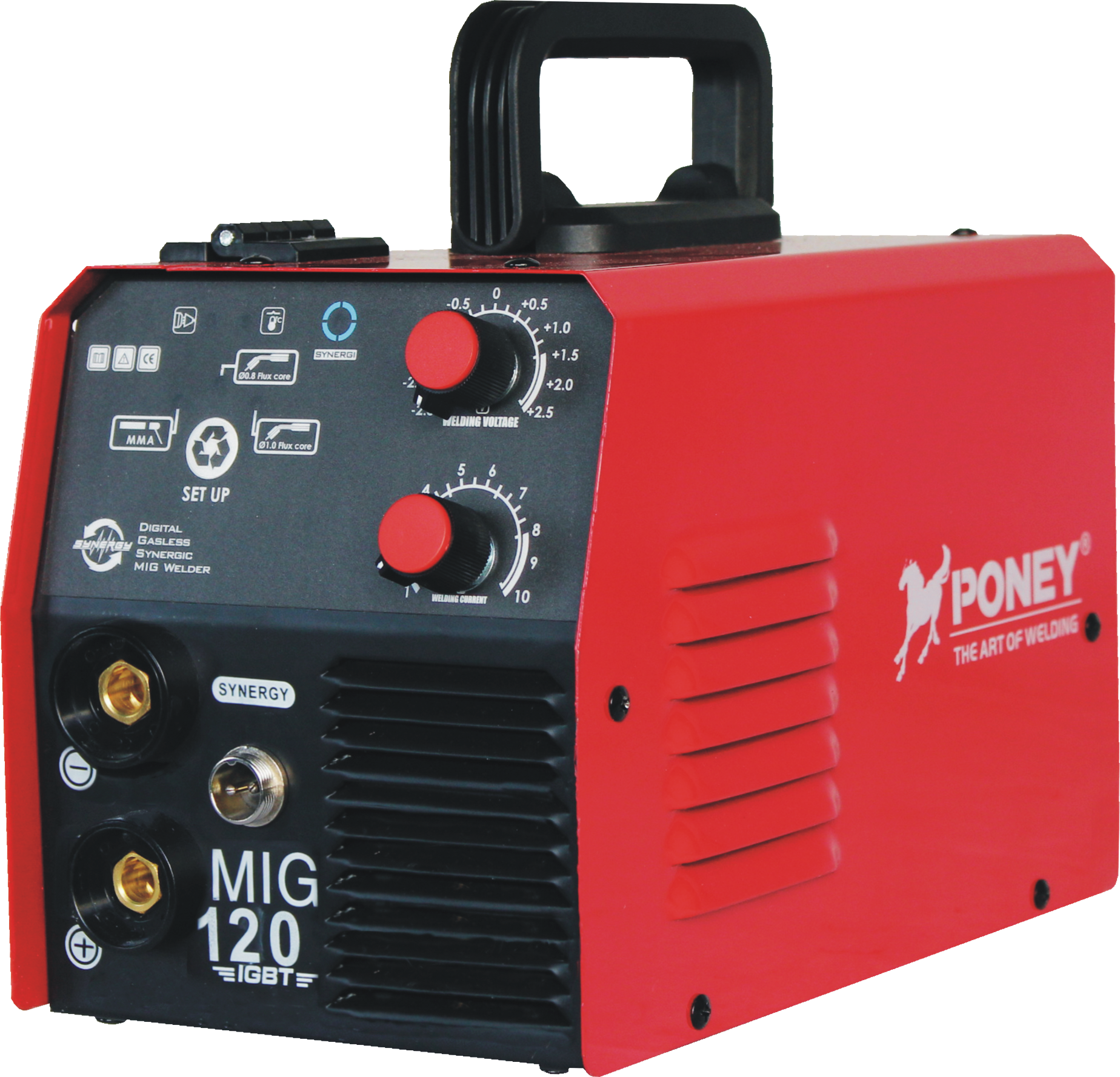
When working with heat-sensitive materials, controlling the thermal input during welding is not just a preference — it is an absolute requirement. A pulse mig welder addresses this challenge directly by delivering current in controlled pulses rather than a continuous stream, allowing precise management of heat at every stage of the weld cycle. This fundamental difference in energy delivery makes the pulse mig welder a preferred tool across industries where distortion, burn-through, and metallurgical damage cannot be tolerated.
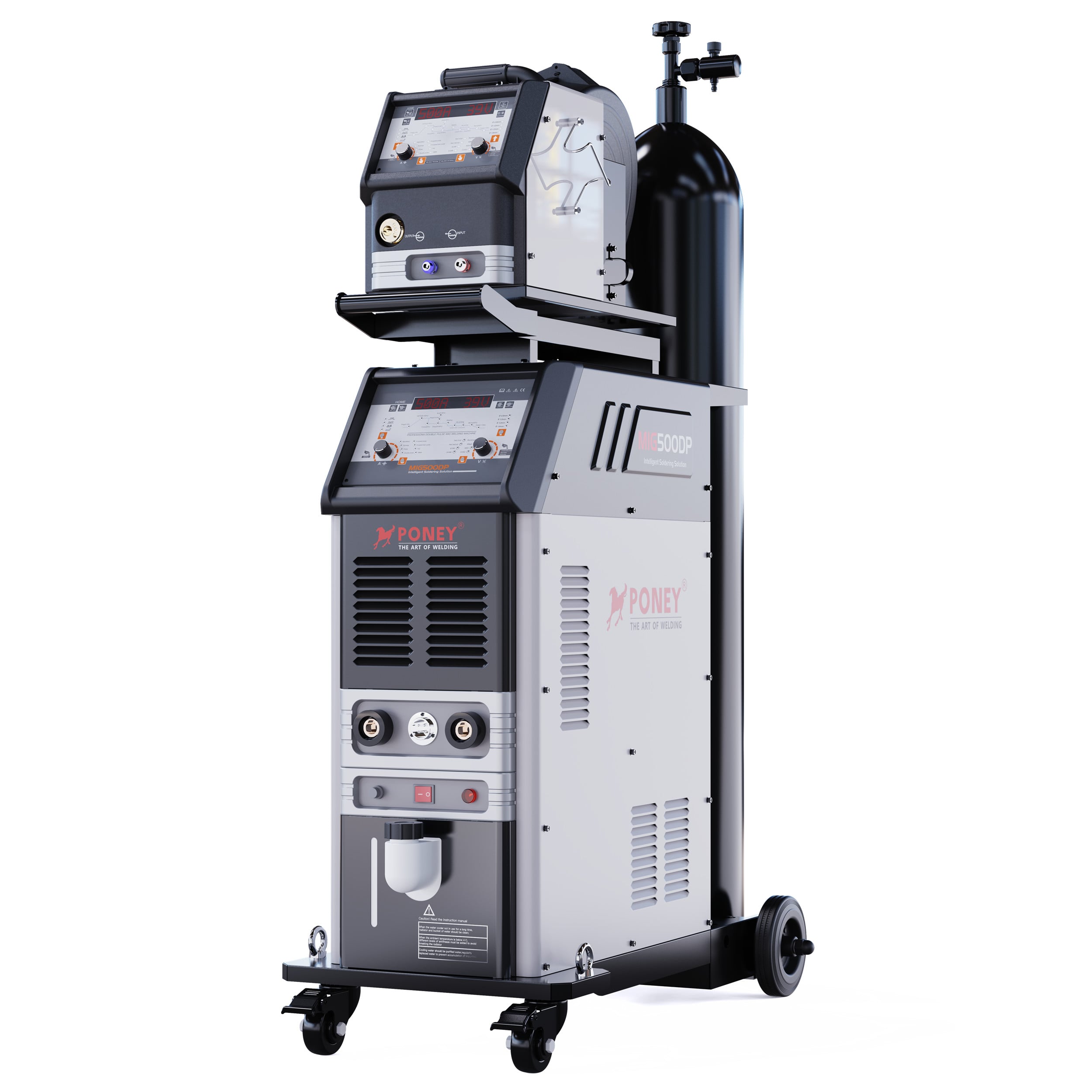
Understanding what makes a pulse mig welder effective for heat-sensitive materials requires examining the physics behind the process, the specific material challenges it overcomes, and the practical outcomes it delivers on the shop floor. Whether the application involves thin aluminum sheets, stainless steel tubing, or exotic alloys, the pulse mig welder consistently demonstrates advantages that conventional MIG welding simply cannot match. This article explores those advantages in structured detail so that engineers, fabricators, and procurement professionals can make informed decisions about adopting this technology.
The Science Behind Pulse MIG Welding Technology
How a Pulse MIG Welder Controls Heat Input
At the core of the pulse mig welder is a power source that alternates between a high peak current and a low background current at a programmable frequency. During the peak phase, the pulse mig welder delivers enough energy to detach a single droplet of filler metal and propel it across the arc in a controlled spray transfer mode. During the background phase, the pulse mig welder reduces current to a level that maintains the arc without adding significant heat to the workpiece. This on-off rhythm is what gives the pulse mig welder its exceptional heat management capability.
Because a pulse mig welder cycles through these phases many times per second, the average heat input is substantially lower than in standard short-circuit or globular transfer MIG welding. The pulse mig welder effectively decouples metal transfer from heat accumulation, a distinction that becomes critically important when welding materials with low melting points, narrow heat-affected zones, or high thermal conductivity. The result is a process that deposits metal efficiently while keeping the base material cooler throughout the weld.
Why Droplet Control Matters for Sensitive Alloys
A pulse mig welder achieves one-droplet-per-pulse metal transfer, which eliminates the spatter and irregular fusion events common in conventional MIG modes. For heat-sensitive alloys, irregular droplet transfer creates localized hot spots that can trigger cracking, porosity, or grain growth in the heat-affected zone. The pulse mig welder removes this risk by ensuring each droplet arrives at a consistent size and velocity, producing a stable, controllable weld pool. This precision is especially valuable when the pulse mig welder is applied to materials like 5xxx and 6xxx series aluminum, duplex stainless steel, and titanium-adjacent alloys used in aerospace and chemical processing.
Material-Specific Advantages of the Pulse MIG Welder
Aluminum and Thin-Gauge Metals
Aluminum is notoriously difficult to weld with standard MIG equipment because it conducts heat rapidly and has a relatively low melting temperature relative to its base metal strength. A pulse mig welder manages this by delivering short bursts of energy that melt the filler wire and fuse the joint without overloading the surrounding aluminum with excess heat. The pulse mig welder prevents the characteristic burn-through and sagging that plague thin aluminum panels, making it a standard choice in automotive body shops, shipbuilding yards, and aerospace component fabrication. When the pulse mig welder is properly configured, aluminum welds exhibit minimal distortion, good cosmetic appearance, and strong mechanical properties.
Thin-gauge carbon steel and stainless steel applications benefit from the pulse mig welder for similar reasons. In tube and pipe fabrication, where heat distortion can compromise dimensional tolerances or surface finish, the pulse mig welder maintains tight control over the weld pool size and cooling rate. Fabricators working with 0.8mm to 2mm material thicknesses frequently choose the pulse mig welder over TIG welding because it offers comparable quality at a significantly higher deposition rate, improving productivity without sacrificing quality.
Stainless Steel and High-Alloy Materials
Stainless steel is particularly vulnerable to sensitization — a phenomenon where chromium carbides precipitate at grain boundaries when the material is held too long at elevated temperatures. A pulse mig welder reduces sensitization risk by minimizing the time the base metal spends in the critical temperature range. The pulse mig welder achieves this through its lower average heat input, which shortens the thermal cycle experienced by the weld zone. For industries like food processing, pharmaceuticals, and petrochemicals, where stainless steel weld integrity directly affects product safety and equipment longevity, the pulse mig welder provides a measurable process advantage.
High-alloy materials such as Inconel and Hastelloy also respond well to the pulse mig welder because these materials are highly susceptible to hot cracking if excess heat builds up in the weld puddle. The pulse mig welder keeps the puddle fluid but controlled, reducing the mechanical stress imposed on the solidifying weld. Engineers specifying welding procedures for high-value components in turbine manufacturing, heat exchangers, and offshore equipment increasingly reference the pulse mig welder as the preferred process for these demanding materials.
Operational Effectiveness in Industrial Settings
Productivity and Consistency Gains
The pulse mig welder does not only solve metallurgical problems — it also improves throughput and repeatability on the production line. Because the pulse mig welder produces virtually no spatter, post-weld cleaning time is drastically reduced, a factor that directly impacts labor costs in high-volume manufacturing environments. The pulse mig welder also supports synergic control systems, where the operator selects a wire type and diameter and the machine automatically calculates the optimal pulse parameters. This automation reduces the skill barrier for achieving high-quality welds and increases consistency across multiple shifts and operators.
Process Integration and Equipment Compatibility
Modern pulse mig welder units are designed to integrate with robotic welding cells, automated positioners, and digital process monitoring systems. The programmable nature of the pulse mig welder means that qualified welding engineers can store and recall specific pulse programs for each material and joint configuration, ensuring that every weld matches the qualified procedure. For manufacturers operating under strict quality management systems, the pulse mig welder provides full traceability of welding parameters, supporting documentation requirements for certifications such as ISO 3834 and AWS D1.2. This combination of flexibility, precision, and documentation capability makes the pulse mig welder a strong investment for any facility working with heat-sensitive materials at scale.
FAQ
What materials benefit most from a pulse mig welder?
Materials that benefit most from a pulse mig welder include aluminum alloys, thin-gauge stainless steel, duplex stainless steel, and high-nickel alloys such as Inconel. These materials are particularly sensitive to excess heat input, making the controlled energy delivery of a pulse mig welder essential for achieving sound, distortion-free welds with acceptable mechanical properties.
How does a pulse mig welder differ from a standard MIG welder?
A standard MIG welder delivers a continuous or short-circuit current, which often results in higher average heat input and irregular metal transfer. A pulse mig welder alternates between a peak current and a low background current, enabling precise one-droplet-per-pulse transfer. This distinction gives the pulse mig welder far greater control over heat input, spatter levels, and weld pool behavior, particularly on sensitive or thin materials.
Is a pulse mig welder suitable for automated or robotic welding systems?
Yes, a pulse mig welder is well-suited for robotic and automated welding applications. Its programmable pulse parameters, synergic control capabilities, and repeatable arc behavior make the pulse mig welder an excellent fit for automated cells where consistent weld quality and process documentation are required. Many industrial pulse mig welder models include digital interfaces and communication protocols designed specifically for integration with robot controllers and manufacturing execution systems.