EN
EN

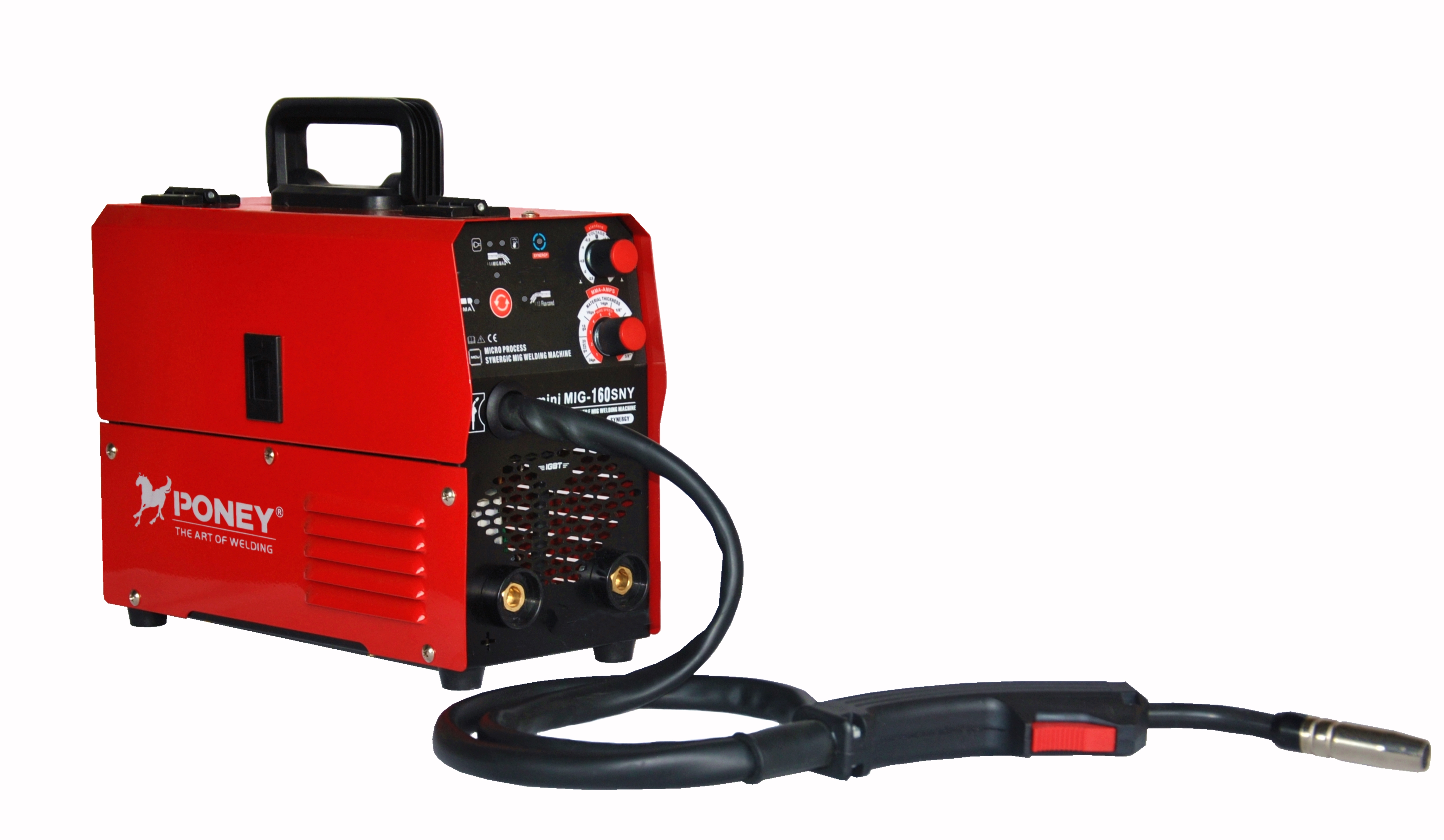
Los operadores experimentados saben que seleccionar un soldador fiable requiere ir mucho más allá de las especificaciones técnicas estándar que figuran en los catálogos de productos. Aunque las clasificaciones de amperaje, los requisitos de voltaje y los ciclos de trabajo proporcionan información esencial de referencia, los profesionales con experiencia evalúan numerosos factores más profundos que determinan realmente si un soldador ofrecerá un rendimiento constante en condiciones operativas reales. La diferencia entre una evaluación realizada por un novato y otra realizada por un experto radica en comprender qué indicadores de rendimiento predicen efectivamente la fiabilidad a largo plazo en entornos industriales exigentes.
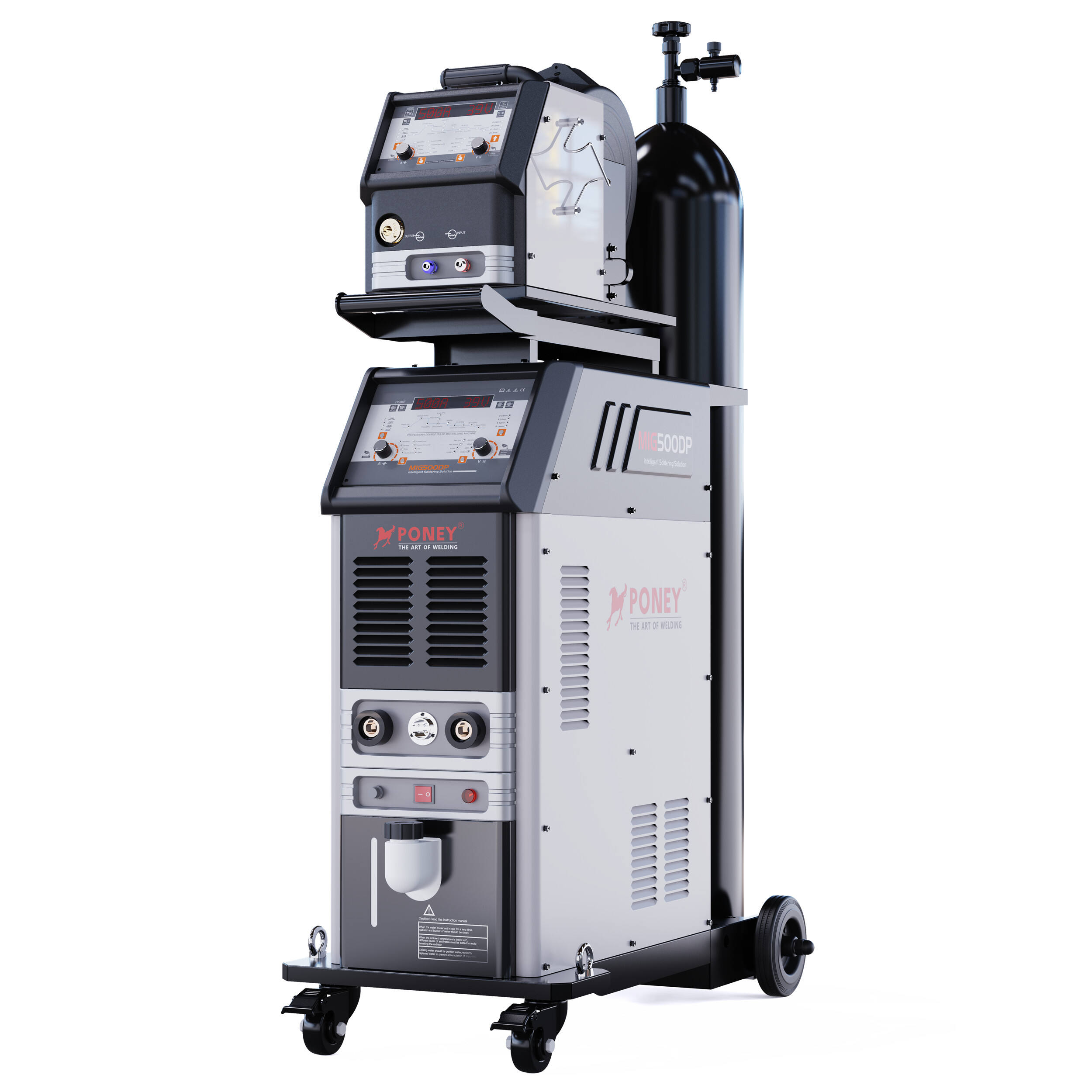
Operadores profesionales desarrollan marcos de evaluación sofisticados que examinan las capacidades de gestión térmica, los indicadores de durabilidad de los componentes, la capacidad de respuesta del sistema de control y los factores de accesibilidad para el mantenimiento. Estos profesionales experimentados comprenden que la verdadera fiabilidad de una máquina de soldadura se manifiesta mediante un rendimiento constante en distintas condiciones ambientales, períodos prolongados de funcionamiento y demandas de aplicación diversas. Su proceso de evaluación se centra en identificar equipos que mantengan precisión y estabilidad cuando se someten a los ciclos térmicos, las vibraciones y las tensiones eléctricas típicos de los entornos de soldadura industrial.
Evaluación del rendimiento térmico más allá de las clasificaciones de ciclo de trabajo
Evaluación de la arquitectura de disipación de calor
Operadores cualificados examinan qué tan eficazmente un soldador gestiona la acumulación interna de calor durante períodos prolongados de funcionamiento. Van más allá de los porcentajes de ciclo de trabajo publicados para evaluar el diseño real del sistema de refrigeración, incluida la ubicación de los ventiladores, los patrones de flujo de aire y las configuraciones de los disipadores de calor. Un soldador con una gestión térmica superior mantendrá características de arco consistentes incluso durante operaciones prolongadas a alta amperaje, mientras que una refrigeración inadecuada provoca una deriva de parámetros y una reducción progresiva de la calidad de la soldadura.
Los usuarios experimentados suelen probar la estabilidad térmica monitoreando la consistencia del arco durante ciclos de operación continua que superan las calificaciones típicas de ciclo de trabajo. Observan si el soldador mantiene una salida estable de voltaje y corriente a medida que aumentan las temperaturas internas, o si su rendimiento se degrada gradualmente. Los operadores profesionales reconocen que la gestión térmica afecta directamente la durabilidad de los componentes y la fiabilidad general del sistema en entornos productivos, donde el tiempo de inactividad conlleva costos significativos.
Sistemas de Compensación de Temperatura
Los operadores avanzados evalúan si un soldador incorpora mecanismos de compensación de temperatura que ajustan automáticamente los parámetros de salida en función de las temperaturas de los componentes internos. Estos sistemas ayudan a mantener características de soldadura constantes, pese a las variaciones térmicas que ocurren naturalmente durante su funcionamiento. Un soldador fiable debe mostrar una variación mínima de la salida en todo su rango de temperatura de funcionamiento, garantizando así una penetración de soldadura y una apariencia de cordón uniformes, independientemente de las condiciones ambientales o de la duración de la operación.
Los soldadores profesionales prueban la compensación de temperatura supervisando la estabilidad de la salida durante los períodos de calentamiento y los ciclos prolongados de funcionamiento. Evalúan con qué rapidez el sistema alcanza el equilibrio térmico y si los parámetros de salida permanecen estables a lo largo de todo el rango de temperatura de funcionamiento. Esta evaluación ayuda a predecir cómo se comportará el soldador en condiciones ambientales variables típicas de las instalaciones industriales de fabricación.
Evaluación de la calidad y la construcción de los componentes
Examen de Electrónica de Potencia
Operadores experimentados examinan minuciosamente la calidad y las especificaciones de los componentes internos de electrónica de potencia, que afectan directamente la fiabilidad y la durabilidad. Analizan la construcción del transformador, las calificaciones de los condensadores, las especificaciones de los semiconductores y la calidad de las placas de circuito para evaluar la capacidad del soldador de soportar tensiones eléctricas durante largos períodos. Los componentes de alta calidad suelen tener calificaciones conservadoras que superan los requisitos máximos de salida del soldador, ofreciendo un margen para un funcionamiento fiable en condiciones variables.
Los usuarios profesionales suelen investigar los proveedores de componentes y las normas de fabricación empleadas en la construcción de soldadores. Comprenden que los componentes de alta gama procedentes de fabricantes consolidados ofrecen normalmente una fiabilidad superior frente a alternativas genéricas. Los operadores también evalúan la accesibilidad de los componentes para su mantenimiento y sustitución, reconociendo que incluso los componentes de alta calidad pueden requerir eventualmente servicio en aplicaciones industriales exigentes.
Montaje mecánico y calidad de fabricación
Operadores experimentados evalúan los elementos de construcción mecánica que indican durabilidad y fiabilidad a largo plazo. Examinan los materiales de la carcasa, la construcción de las uniones, la calidad de los elementos de fijación y la precisión general del ensamblaje. Un soldador bien construido presenta un diseño mecánico robusto que protege los componentes internos frente a vibraciones, tensiones térmicas y contaminación ambiental, al tiempo que ofrece puntos de fijación seguros para su transporte e instalación.
Los usuarios experimentados inspeccionan la gestión de cables, la calidad de las conexiones y las técnicas de montaje de los componentes dentro de la carcasa de la máquina de soldar. Comprenden que un ensamblaje mecánico deficiente puede provocar fallos en las conexiones, daños en los componentes y una menor fiabilidad con el paso del tiempo. Los operadores profesionales también evalúan la accesibilidad de los componentes susceptibles de mantenimiento, reconociendo que un diseño orientado al mantenimiento contribuye significativamente a la fiabilidad operativa a largo plazo.
Respuesta y estabilidad del sistema de control
Características de iniciación y estabilidad del arco
Operadores profesionales evalúan la consistencia con la que un soldador inicia y mantiene arcos estables en diversos tipos y espesores de materiales. Prueban el rendimiento del encendido del arco en distintas condiciones, incluidas bajas temperaturas ambientales, presiones variables del gas y diferentes configuraciones de electrodo. Un soldador fiable debe demostrar una iniciación constante del arco sin salpicaduras excesivas ni un comportamiento inestable al arrancar, lo cual podría afectar la calidad de la soldadura y la eficiencia del operario.
Usuarios experimentados evalúan la estabilidad del arco durante condiciones dinámicas de soldadura, incluidos los cambios de posición, las variaciones de velocidad de desplazamiento y las fluctuaciones de la distancia entre el electrodo y la pieza de trabajo. Observan si el soldador mantiene una penetración y una apariencia de cordón consistentes, a pesar de las variaciones en la técnica del operario. Esta evaluación ayuda a predecir cómo funcionará el soldador con distintos niveles de habilidad y en condiciones de producción variables.
Respuesta y consistencia de los parámetros
Operadores cualificados prueban con qué precisión responde un soldador a los ajustes de control y mantiene los parámetros establecidos durante su funcionamiento. Evalúan la precisión del control de voltaje y amperaje, determinando si la salida real coincide con las lecturas mostradas en la pantalla y permanece estable durante la soldadura. Los usuarios profesionales también examinan la repetibilidad de los parámetros, comprobando si el soldador produce resultados idénticos al volver a configuraciones previamente utilizadas.
Operadores avanzados evalúan la respuesta del soldador ante cambios rápidos de parámetros durante el funcionamiento, valorando con qué rapidez y suavidad se adapta el sistema a nuevas configuraciones. Comprenden que un control ágil de los parámetros permite gestionar con precisión la calidad de la soldadura y reduce la necesidad de preparación de las piezas o correcciones posteriores a la soldadura. Esta capacidad de respuesta resulta especialmente importante en entornos productivos, donde los ajustes de parámetros se requieren frecuentemente para distintas configuraciones de junta.
Pruebas de adaptabilidad ambiental y durabilidad
Evaluación de la resistencia a la contaminación
Operadores experimentados evalúan qué tan bien funciona una máquina de soldadura en entornos que contienen polvo, humedad y partículas metálicas típicas de las instalaciones de fabricación. Evalúan los sistemas de filtración de entrada, la eficacia del sellado de la carcasa y la protección de los componentes internos frente a contaminantes atmosféricos. Una máquina de soldadura fiable debe mantener sus estándares de rendimiento a pesar de la exposición a las condiciones ambientales industriales habituales, sin requerir intervalos de mantenimiento excesivamente frecuentes.
Usuarios profesionales someten a prueba el rendimiento de la máquina de soldadura en distintas condiciones de humedad y evalúan si la humedad afecta la estabilidad del arco o el funcionamiento del sistema de control. Comprenden que la capacidad de adaptación ambiental impacta directamente en la fiabilidad en aplicaciones reales, donde no siempre es posible mantener condiciones ideales. Los operadores también evalúan con qué facilidad se puede eliminar la contaminación durante los procedimientos rutinarios de mantenimiento.
Tolerancia a las vibraciones y al transporte
Operadores cualificados evalúan qué tan bien un soldador tolera las vibraciones y los movimientos asociados con aplicaciones móviles o el transporte entre obras. Evalúan las técnicas de montaje de los componentes, la seguridad de las conexiones y la integridad estructural general cuando se somete el equipo a las tensiones típicas de manipulación y transporte. Un soldador fiable debe mantener sus estándares de calibración y rendimiento a pesar de una exposición moderada a vibraciones durante su uso normal y transporte.
Los usuarios profesionales examinan cómo afecta el transporte al rendimiento del soldador mediante pruebas de precisión de los parámetros y de las características del arco tras desplazar el equipo entre distintas ubicaciones. Comprenden que el desplazamiento interno de componentes o el aflojamiento de conexiones pueden afectar significativamente la fiabilidad y la calidad de la soldadura. Esta evaluación resulta especialmente importante para los contratistas que transportan regularmente equipos de soldadura entre diferentes obras.
Supervisión del rendimiento a largo plazo e indicadores de mantenimiento
Evaluación de la degradación del rendimiento
Los operadores experimentados establecen mediciones de rendimiento de referencia al evaluar un nuevo soldador y supervisan cómo cambian estas características durante períodos prolongados de funcionamiento. Registran la estabilidad del arco, la precisión de los parámetros y el comportamiento térmico a lo largo del tiempo para identificar patrones de degradación gradual que podrían indicar desgaste de componentes o deterioro del sistema. Este enfoque de supervisión ayuda a predecir las necesidades de mantenimiento y posibles problemas de fiabilidad antes de que causen interrupciones en la producción.
Los usuarios profesionales mantienen registros detallados del rendimiento del soldador bajo diversas condiciones de funcionamiento, documentando cualquier cambio en las características del arco, el comportamiento térmico o la respuesta de los controles. Comprenden que los cambios graduales de rendimiento suelen preceder a los fallos de componentes y pueden indicar la necesidad de mantenimiento preventivo. Este enfoque sistemático de supervisión permite programar de forma proactiva el mantenimiento, maximizando así la fiabilidad del equipo y la eficiencia operativa.
Accesibilidad y requisitos de mantenimiento
Operadores cualificados evalúan la facilidad con la que se pueden realizar tareas rutinarias de mantenimiento en los equipos de soldadura, reconociendo que la accesibilidad para el mantenimiento afecta directamente la fiabilidad a largo plazo. Evalúan la ubicación de los componentes susceptibles de mantenimiento, los requisitos de herramientas para los procedimientos de mantenimiento y la disponibilidad de la documentación técnica y de las piezas de recambio. Un soldador bien diseñado debe permitir un mantenimiento rutinario eficiente sin requerir una desmontaje extenso ni herramientas especializadas.
Usuarios experimentados examinan los requisitos de programación del mantenimiento y evalúan si los intervalos de servicio rutinarios coinciden con los horarios de producción habituales. Comprenden que los equipos que requieren un mantenimiento intensivo pueden afectar negativamente la fiabilidad operativa, incluso si los componentes individuales son de alta calidad. Los operadores profesionales también evalúan el nivel de competencia técnica necesario para las tareas rutinarias de mantenimiento y si dichos requisitos coinciden con las capacidades disponibles en las instalaciones.
Preguntas frecuentes
¿Qué indicadores térmicos específicos deben supervisar los operadores además de las clasificaciones estándar del ciclo de trabajo?
Los operadores experimentados supervisan las tasas de aumento de la temperatura interna, los tiempos de recuperación del sistema de refrigeración y la estabilidad de los parámetros de salida durante ciclos de operación prolongados. Evalúan con qué rapidez alcanza el soldador el equilibrio térmico, si los sistemas de refrigeración mantienen un caudal de aire adecuado en condiciones operativas habituales y si las características de salida permanecen constantes a lo largo de todo el rango térmico de funcionamiento. Estos indicadores térmicos ofrecen predicciones de fiabilidad más precisas que los porcentajes básicos de ciclo de trabajo.
¿Cómo evalúan los operadores profesionales las características de estabilidad del arco durante la evaluación?
Operadores profesionales prueban la consistencia de la iniciación del arco en diversos tipos y espesores de materiales, evalúan el mantenimiento del arco durante los cambios de posición y las variaciones de velocidad de desplazamiento, y analizan la estabilidad bajo distintos caudales de gas y configuraciones del electrodo. Observan los patrones de salpicaduras, la consistencia de la penetración y la uniformidad del aspecto del cordón de soldadura para determinar si la máquina de soldar mantiene un rendimiento estable a pesar de las variaciones en la técnica del operador y de las condiciones cambiantes de soldadura.
¿Qué indicadores de calidad constructiva predicen mejor la fiabilidad a largo plazo de la máquina de soldar?
Operadores experimentados examinan las especificaciones de los componentes electrónicos de potencia y la reputación del proveedor, evalúan la calidad del ensamblaje mecánico, incluidos los materiales de la carcasa y las calidades de los elementos de fijación, y analizan las técnicas internas de gestión de cables y montaje de componentes. Asimismo, consideran la accesibilidad para el mantenimiento, la sustituibilidad de los componentes y el margen general de diseño entre la capacidad nominal y los requisitos reales de funcionamiento como indicadores clave de fiabilidad.
¿Por qué los operadores experimentados priorizan la adaptabilidad ambiental en la evaluación de la fiabilidad?
Los operadores profesionales entienden que los equipos de soldadura deben mantener sus estándares de rendimiento a pesar de su exposición al polvo, la humedad, las variaciones de temperatura y las vibraciones típicas de los entornos industriales. Evalúan la resistencia a la contaminación, la tolerancia a la humedad y la durabilidad durante el transporte, ya que la adaptabilidad ambiental afecta directamente los requisitos de mantenimiento y la fiabilidad operativa en aplicaciones reales, donde no es posible mantener de forma constante condiciones ideales.
Tabla de contenidos
- Evaluación del rendimiento térmico más allá de las clasificaciones de ciclo de trabajo
- Evaluación de la calidad y la construcción de los componentes
- Respuesta y estabilidad del sistema de control
- Pruebas de adaptabilidad ambiental y durabilidad
- Supervisión del rendimiento a largo plazo e indicadores de mantenimiento
-
Preguntas frecuentes
- ¿Qué indicadores térmicos específicos deben supervisar los operadores además de las clasificaciones estándar del ciclo de trabajo?
- ¿Cómo evalúan los operadores profesionales las características de estabilidad del arco durante la evaluación?
- ¿Qué indicadores de calidad constructiva predicen mejor la fiabilidad a largo plazo de la máquina de soldar?
- ¿Por qué los operadores experimentados priorizan la adaptabilidad ambiental en la evaluación de la fiabilidad?