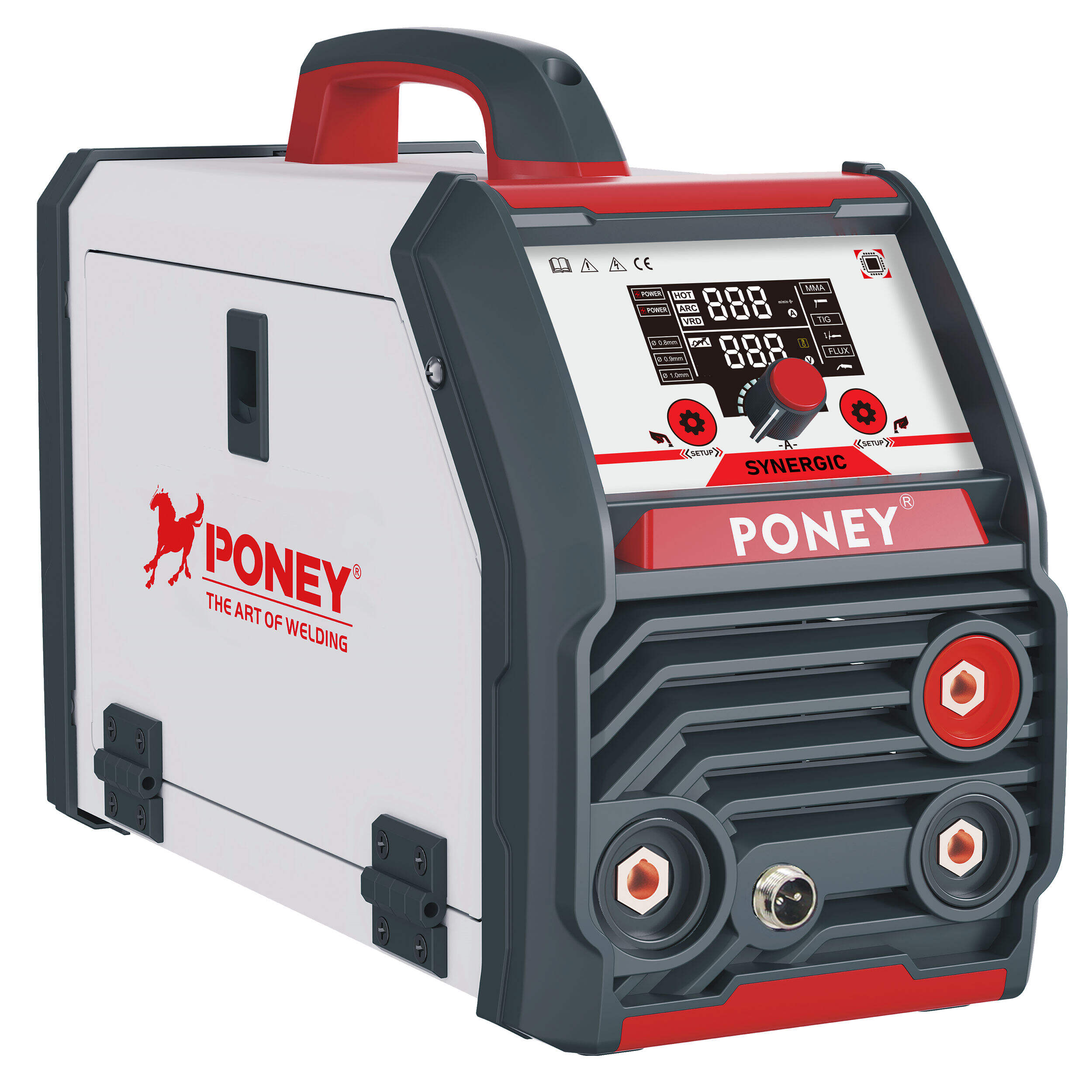
Versatile Applications and Multi-Alloy Compatibility
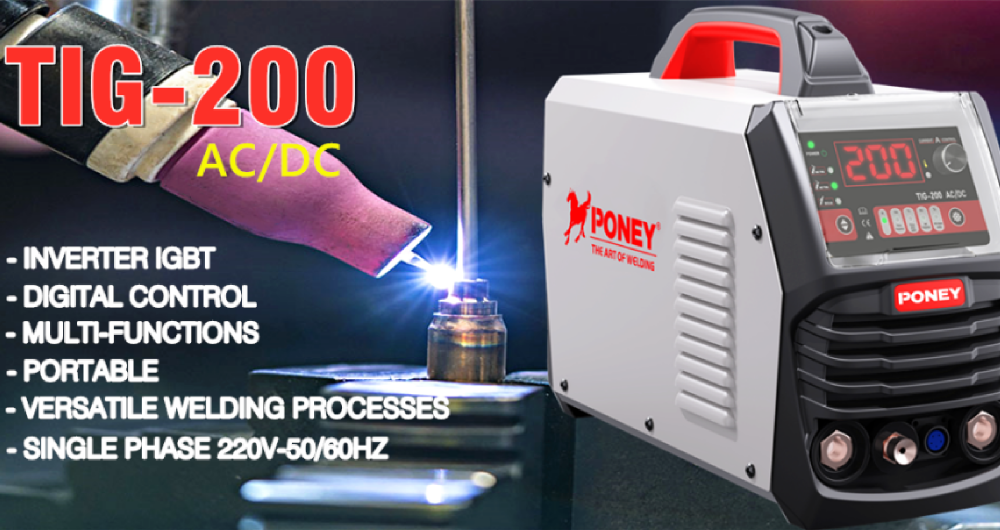
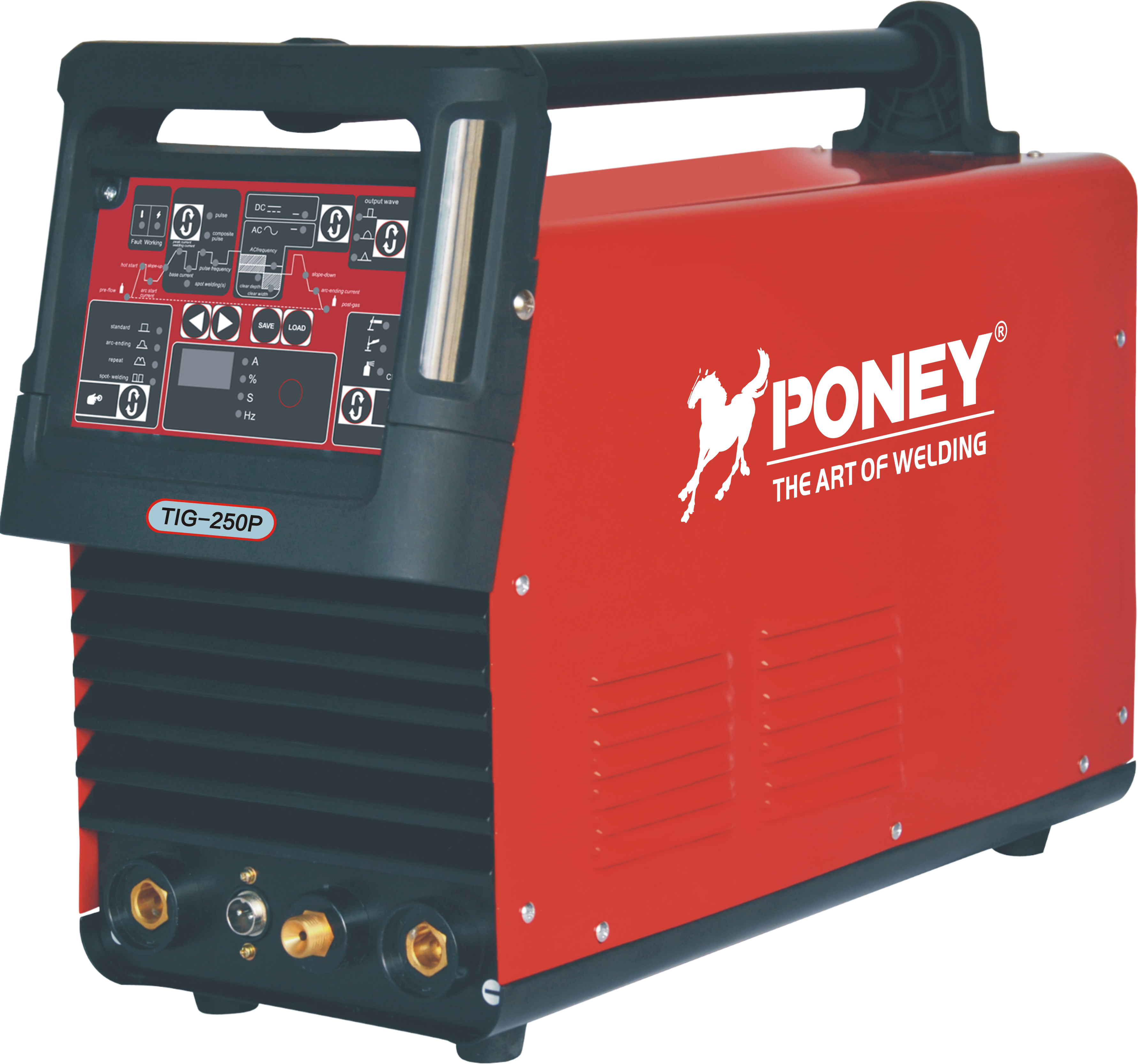
The exceptional versatility of the AC DC TIG welder for aluminum extends across an impressive range of applications and aluminum alloy types, making it an indispensable tool for diverse industrial sectors and specialized fabrication requirements. This welding system demonstrates remarkable compatibility with virtually all commercially available aluminum alloys, from pure aluminum grades like 1100 and 1350 to complex alloy compositions including 2024, 5083, 6061, and 7075, each presenting unique welding challenges that the advanced control systems handle with precision and reliability. The AC DC TIG welder for aluminum excels in aerospace applications where critical components demand the highest quality standards, including aircraft fuselage sections, wing structures, and engine components where weld integrity directly impacts safety and performance. In automotive manufacturing, these welders produce superior results on aluminum body panels, chassis components, and heat exchangers where lightweight construction and corrosion resistance are paramount. Marine applications benefit tremendously from the AC DC TIG welder for aluminum capabilities, particularly in boat hull construction, deck hardware fabrication, and marine engine components where saltwater corrosion resistance and structural integrity are essential. Architectural and decorative applications showcase the welder's ability to create aesthetically pleasing joints in aluminum curtain walls, handrails, and sculptural elements where both strength and appearance matter. The system's adaptability extends to thickness ranges from ultra-thin foil applications requiring minimal heat input to heavy structural sections demanding deep penetration and high deposition rates. Industrial applications include chemical processing equipment, food processing machinery, and pharmaceutical manufacturing components where aluminum's corrosion resistance and cleanability are crucial. The AC DC TIG welder for aluminum handles complex joint configurations including butt joints, corner joints, T-joints, and lap joints with equal proficiency, adapting welding parameters automatically to optimize penetration and fusion characteristics for each specific geometry. This versatility eliminates the need for multiple specialized welding systems, significantly reducing equipment investment and maintenance costs while maximizing workshop flexibility and productivity across diverse aluminum fabrication projects.
 EN
EN