Superior Weld Quality and Material Versatility
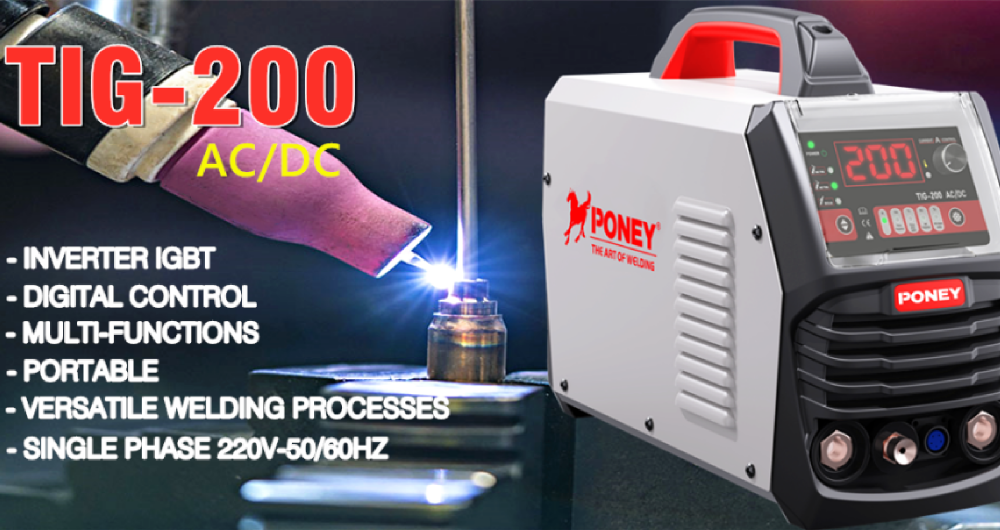
The mini tig welder delivers exceptional weld quality that rivals or exceeds results achieved with larger welding equipment, utilizing advanced arc control technology to produce clean, precise welds with minimal heat-affected zones and superior penetration characteristics. This outstanding weld quality stems from precise current control capabilities that enable operators to match heat input exactly to material requirements, preventing common welding defects such as burn-through, distortion, or inadequate fusion. The stable arc characteristics produced by modern mini tig welders create consistent weld pools that flow smoothly and solidify with excellent mechanical properties, ensuring structural integrity and aesthetic appeal in finished welds. Material versatility represents another crucial quality advantage, as these welding machines excel at joining diverse metals including stainless steel, aluminum alloys, carbon steel, titanium, and exotic materials used in specialized applications. The ability to weld different material types with a single machine eliminates the need for multiple welding setups, streamlining operations and reducing equipment investment requirements. Thin material welding capabilities particularly distinguish mini tig welders from other welding processes, enabling successful joining of materials as thin as 0.5mm without distortion or burn-through problems that plague other welding methods. This precision makes the equipment invaluable for applications requiring exceptional weld quality, such as aerospace components, medical devices, food processing equipment, and artistic metalwork where appearance and structural integrity are paramount. The controlled heat input achieved with mini tig welders minimizes warping and distortion in welded assemblies, reducing or eliminating post-weld straightening operations and associated costs. AC welding capabilities, available in many mini tig welder models, enable effective aluminum welding with excellent cleaning action and penetration characteristics. The precision control offered by these machines allows welders to achieve specific weld profiles and appearances, making them suitable for applications where weld aesthetics are important. Joint preparation requirements are typically minimal with TIG welding, and the mini tig welder's precise control enables successful welding of poorly fitting joints that might challenge other welding processes, providing flexibility in fabrication and repair operations.
 EN
EN