Professional Arc Welding Aluminum Solutions - Superior Quality & Performance

Get a Free Quote

Our representative will contact you soon.
Email
Mobile/Whatsapp
Name
Company Name
Message
0/1000

arc welding aluminum

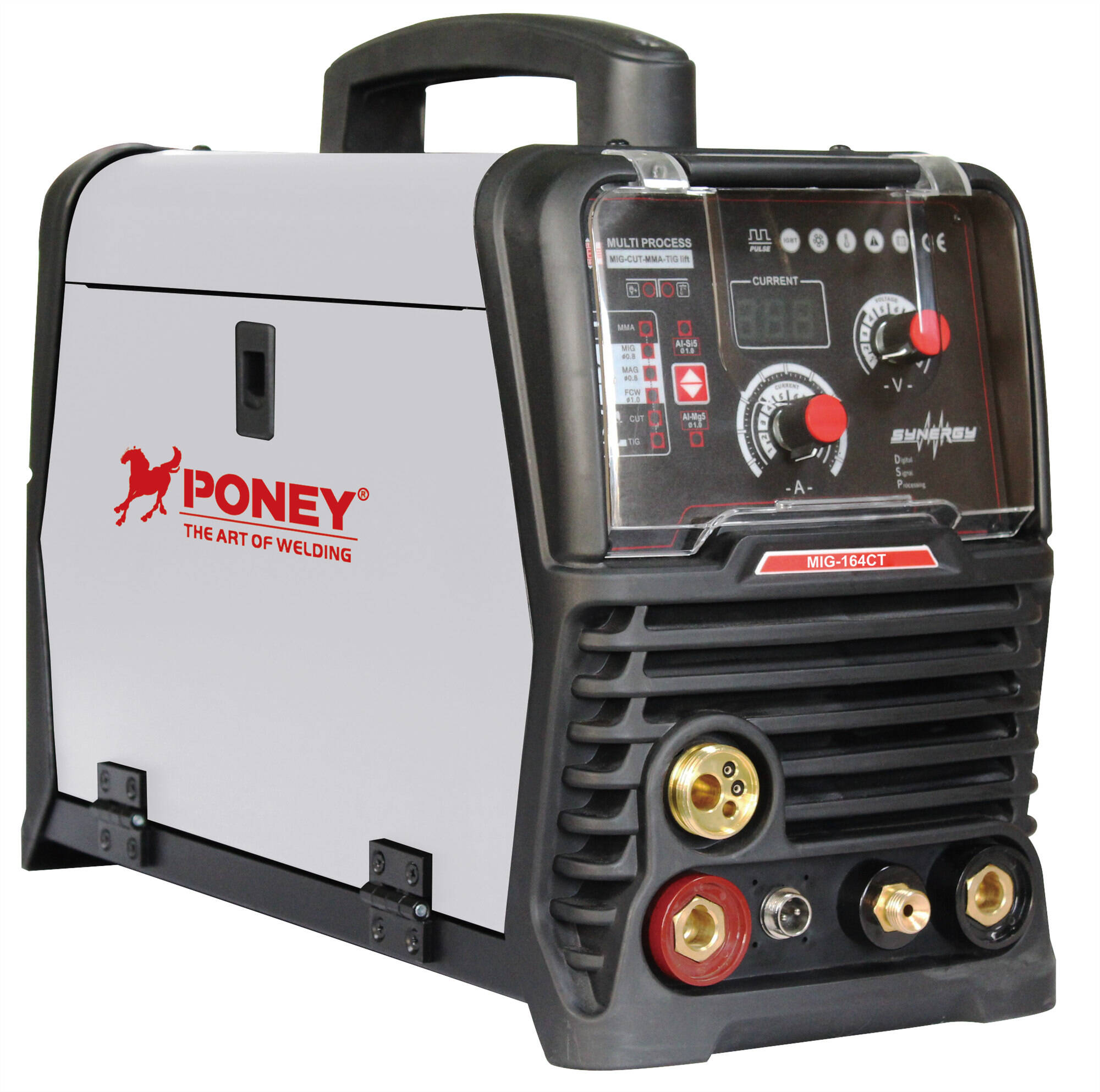
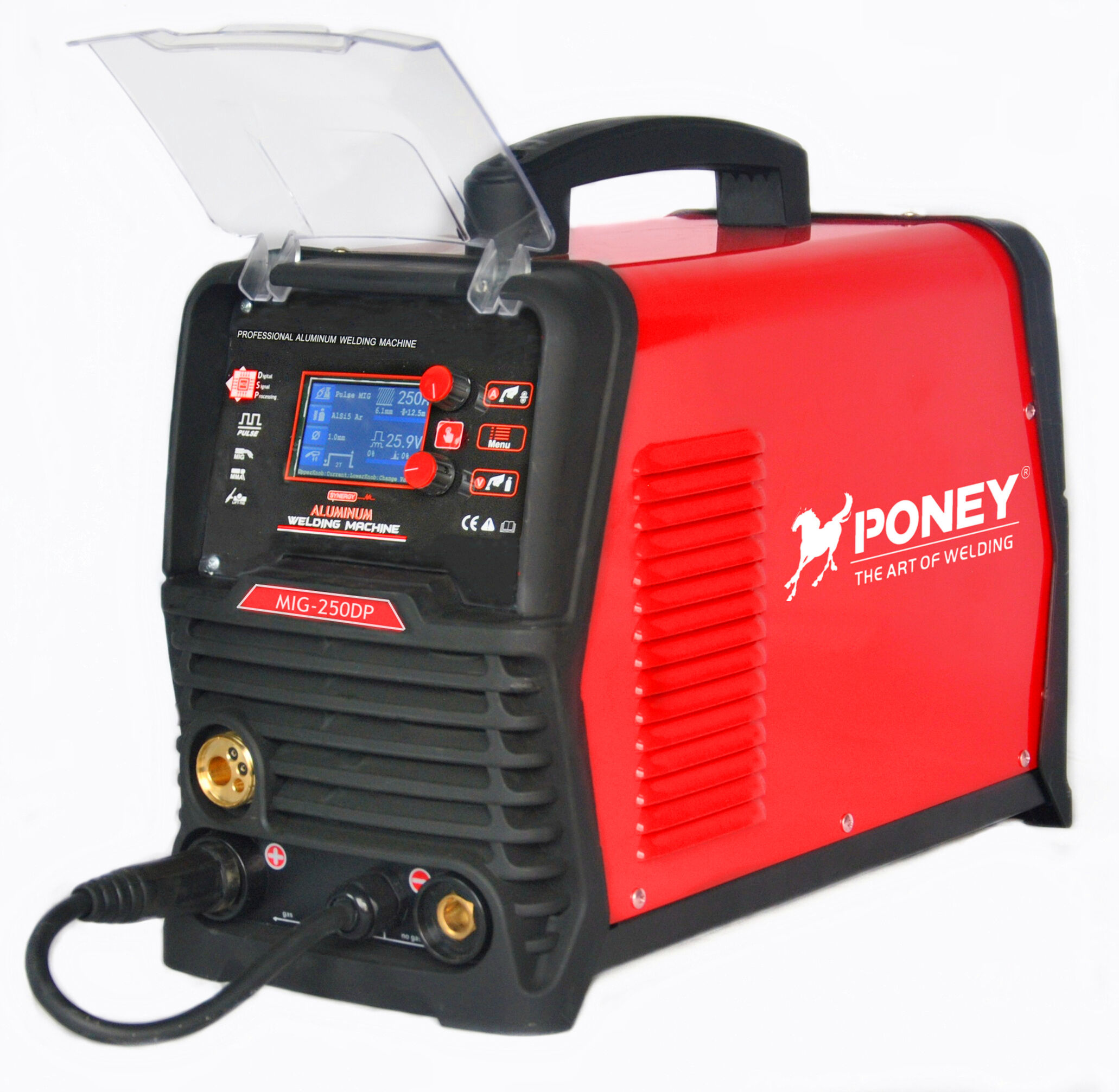
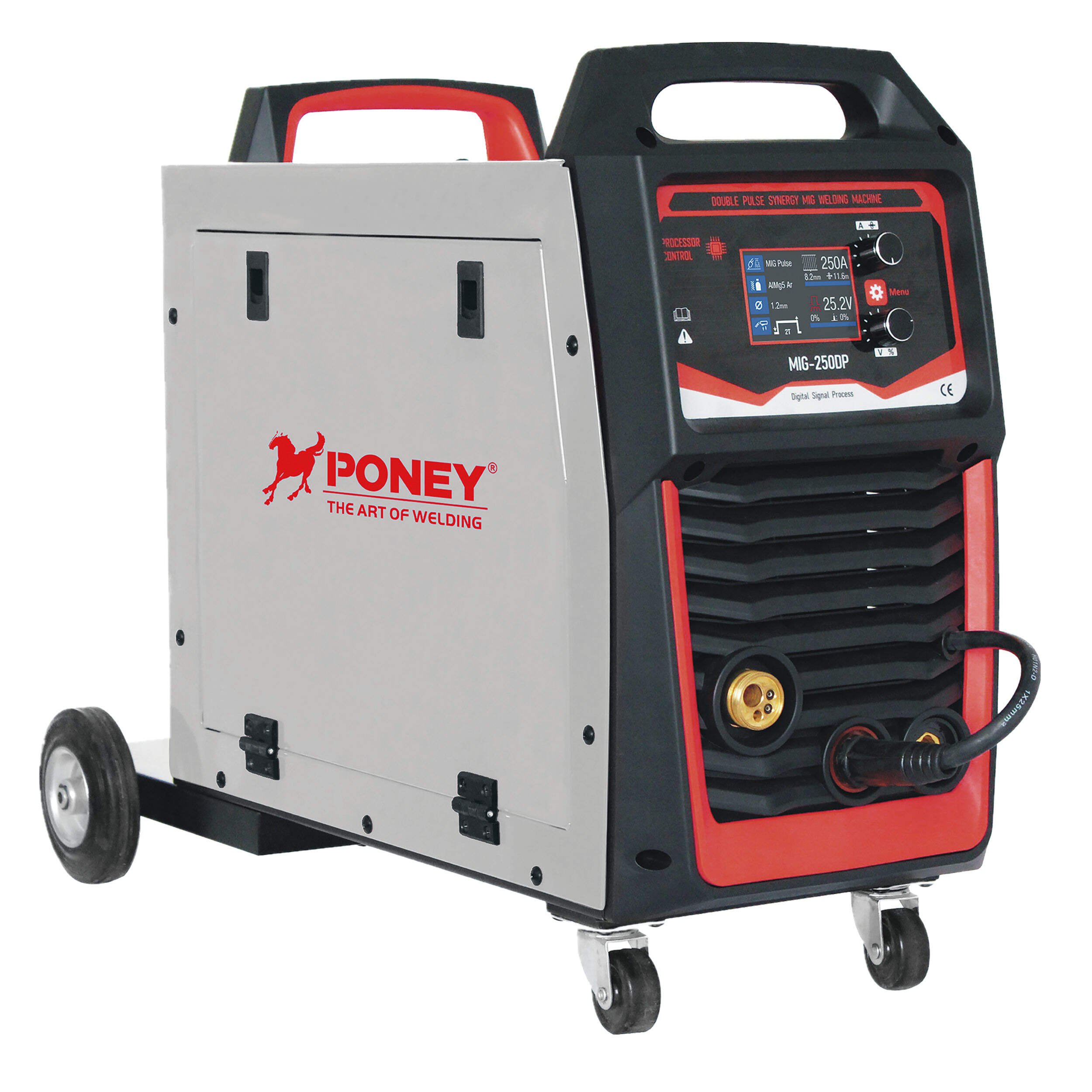
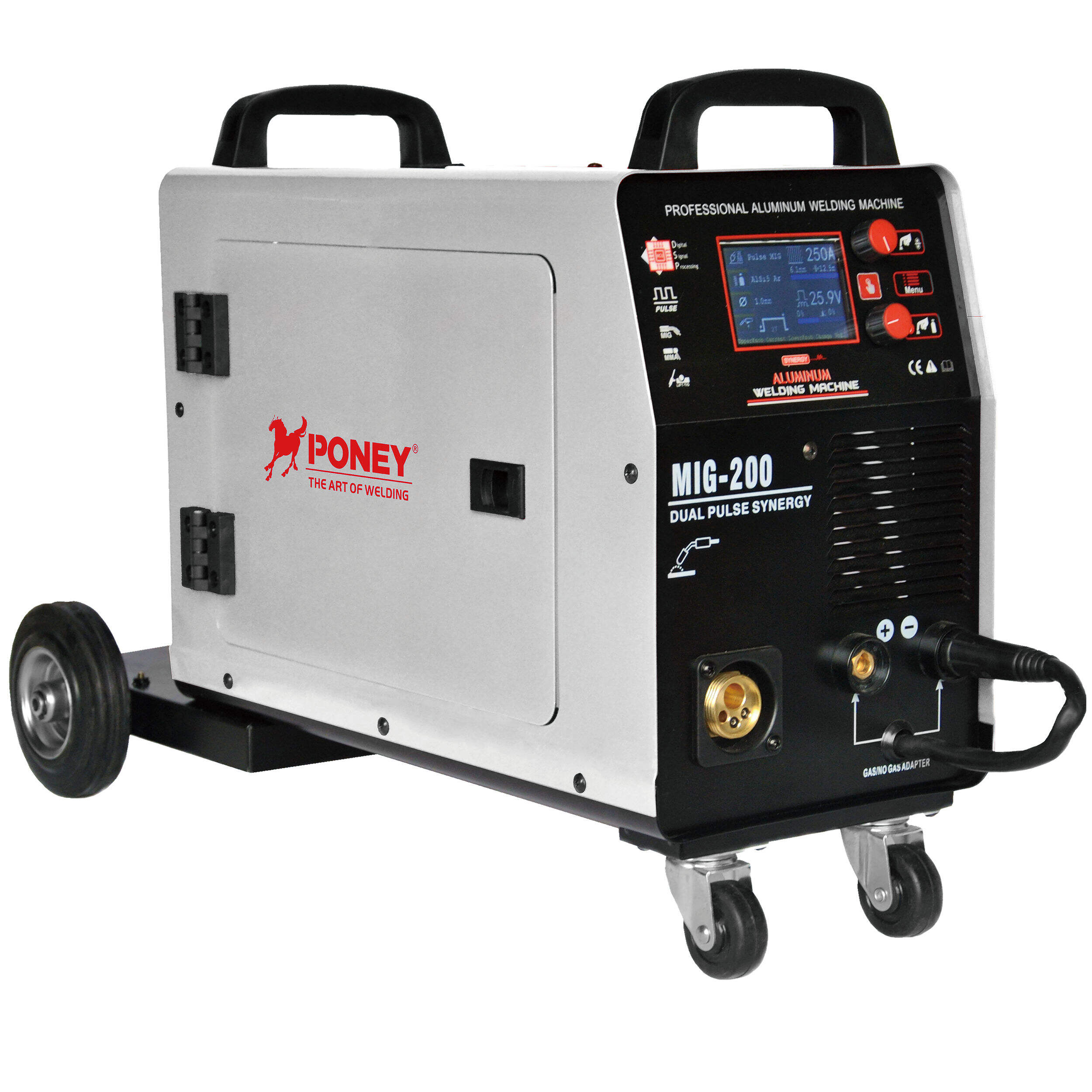
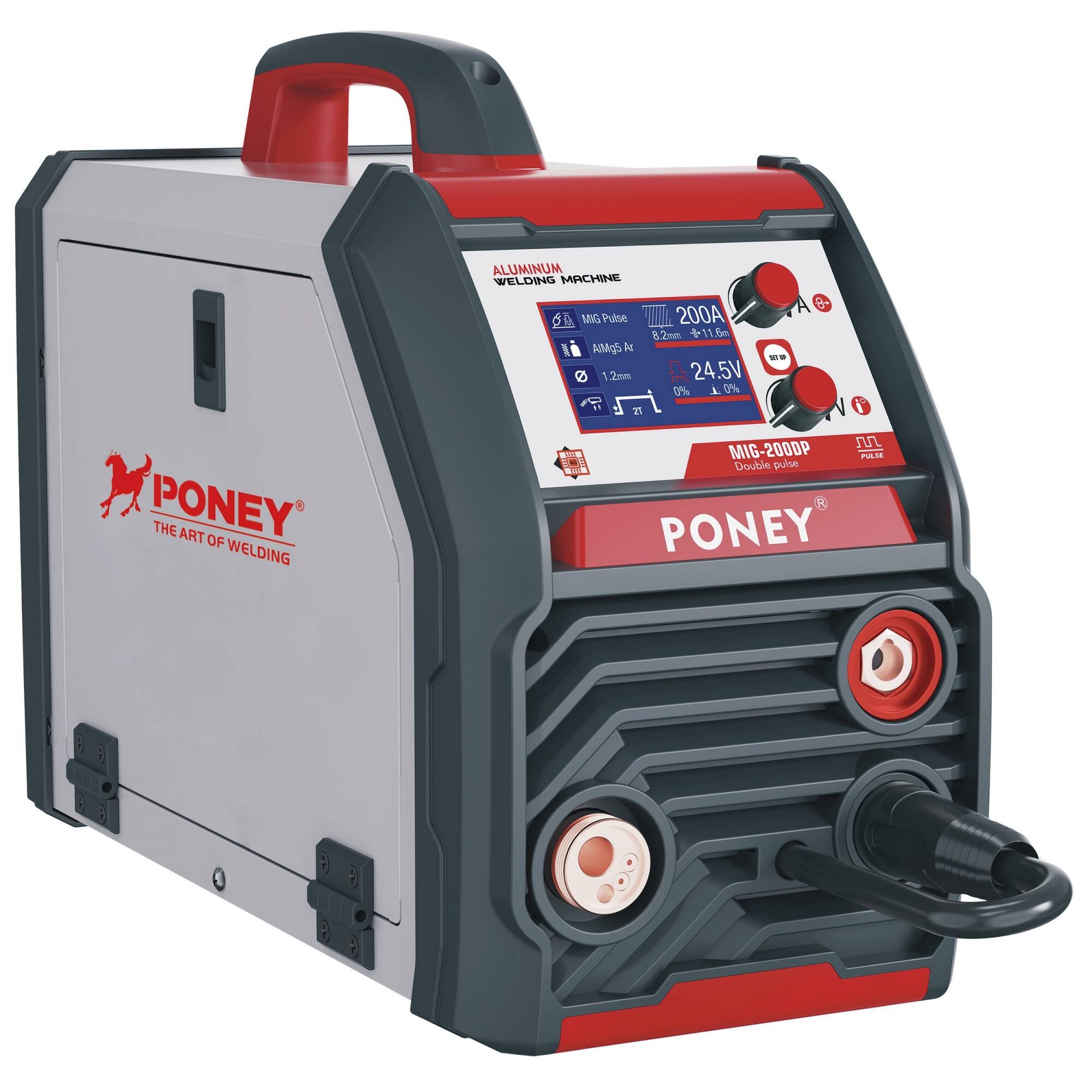
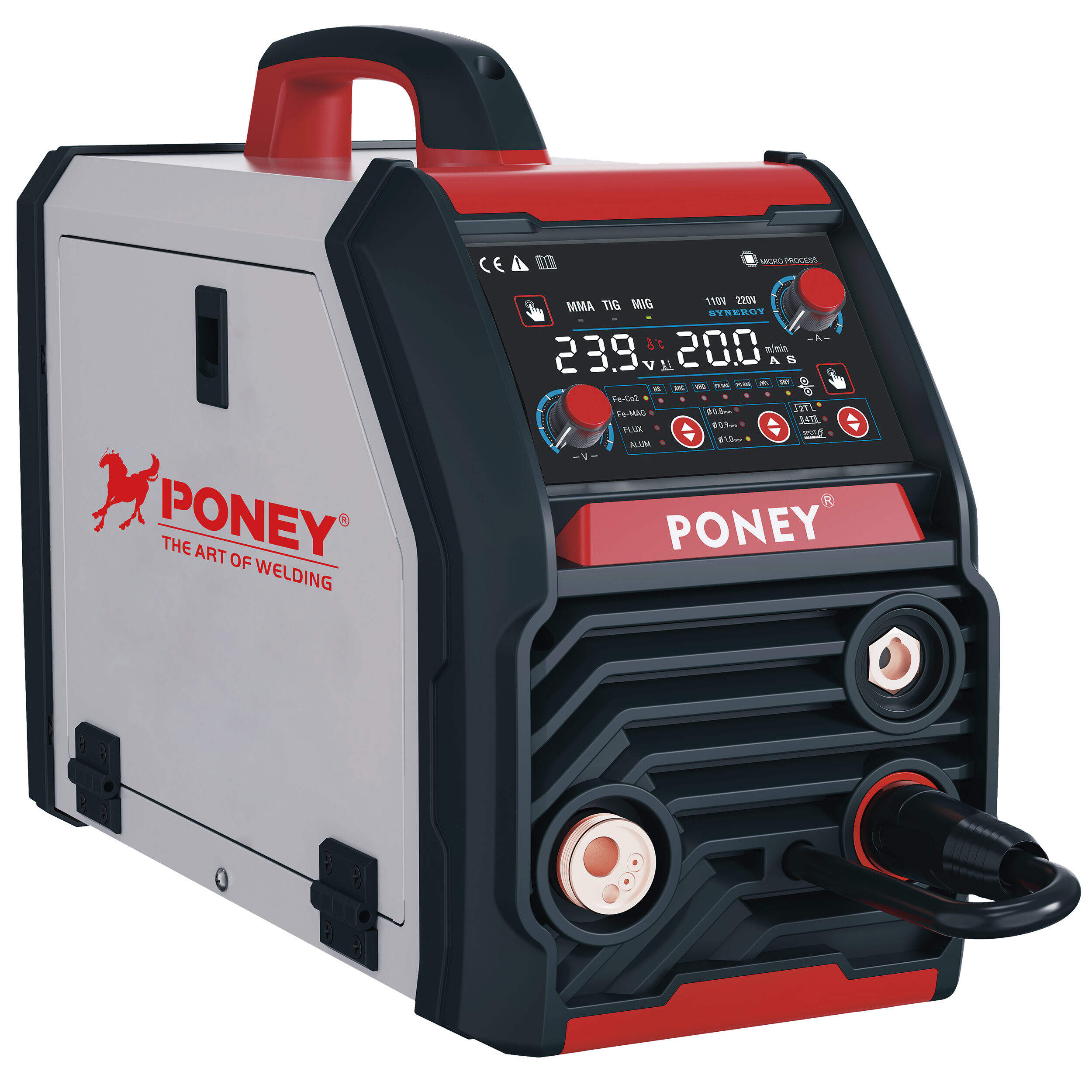
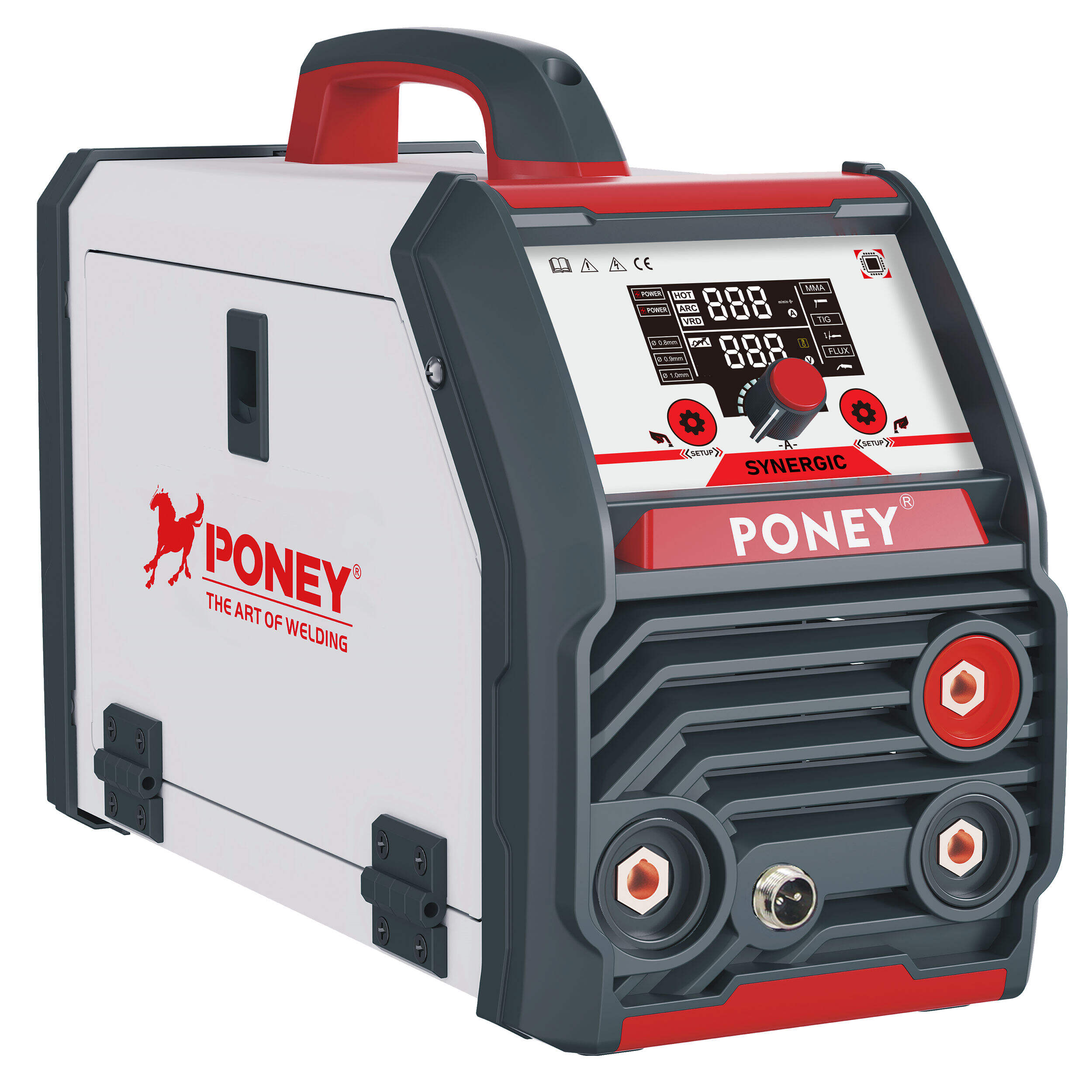
Arc welding aluminum represents a sophisticated manufacturing process that joins aluminum materials using electric arc technology to create strong, durable bonds. This welding method utilizes an electric arc generated between an electrode and the aluminum workpiece, producing intense heat that melts the base metal and filler material to form a permanent connection. The process operates by establishing an electrical circuit that creates temperatures exceeding 6,000 degrees Fahrenheit, enabling precise control over the welding environment. Arc welding aluminum systems incorporate advanced power sources, specialized electrodes, and protective gas atmospheres to ensure optimal results. The technology features variable amperage controls, allowing welders to adjust heat input based on material thickness and joint requirements. Modern arc welding aluminum equipment includes digital displays, preset programs, and automatic arc starting capabilities that streamline operations. The process accommodates various aluminum alloys, from pure aluminum to complex aerospace-grade materials, making it versatile for diverse applications. Technological features include pulse welding modes that reduce heat input while maintaining penetration, AC/DC switching capabilities for different electrode types, and advanced wave control systems that optimize arc characteristics. The equipment typically incorporates high-frequency start systems, remote amperage controls, and crater fill functions that enhance weld quality. Arc welding aluminum finds extensive applications across automotive manufacturing, where it joins body panels, engine components, and structural elements. The aerospace industry relies heavily on this technology for aircraft frame construction, fuel tanks, and critical flight components. Marine applications include boat hulls, deck structures, and offshore platform construction. Architectural projects utilize arc welding aluminum for curtain walls, structural frameworks, and decorative elements. The process proves essential in pipeline construction, pressure vessel manufacturing, and precision fabrication work where aluminum's lightweight properties and corrosion resistance provide significant advantages over traditional steel alternatives.

New Products

Arc welding aluminum delivers exceptional strength characteristics that surpass many traditional joining methods, creating welds that often match or exceed the tensile strength of the base aluminum material itself. This superior strength ensures long-lasting connections that withstand demanding operational conditions, reducing maintenance requirements and extending equipment service life significantly. The process provides remarkable versatility in handling various aluminum thicknesses, from thin sheet metal applications as light as 0.020 inches to heavy plate materials exceeding several inches thick, accommodating diverse project requirements with a single welding system. Cost efficiency emerges as a major benefit, as arc welding aluminum eliminates the need for mechanical fasteners, adhesives, or multiple joining processes, reducing material costs and labor time substantially. The technology offers precise heat control that minimizes distortion and warping commonly associated with aluminum welding, maintaining dimensional accuracy crucial for precision applications. This controlled heat input preserves the aluminum's natural properties, including corrosion resistance and lightweight characteristics that make it valuable across industries. Arc welding aluminum produces clean, aesthetically pleasing joints that require minimal post-weld finishing, saving time and resources in production environments. The process creates hermetic seals essential for pressure vessels, fuel tanks, and chemical storage applications where leak-proof connections are mandatory. Productivity increases significantly through faster travel speeds and deeper penetration capabilities compared to alternative joining methods, enabling higher throughput in manufacturing operations. The technology supports automation integration, allowing for robotic welding systems that enhance consistency, reduce labor costs, and improve workplace safety by removing operators from potentially hazardous environments. Environmental benefits include the elimination of consumable fasteners and reduced waste generation, contributing to sustainable manufacturing practices. Arc welding aluminum accommodates field repairs and modifications easily, providing flexibility for maintenance operations and design changes without requiring specialized facilities or extensive equipment transport. The process produces joints with excellent fatigue resistance, crucial for dynamic loading applications in automotive and aerospace sectors where repeated stress cycles occur regularly. Quality control becomes more manageable through visual inspection capabilities and non-destructive testing compatibility, ensuring reliable performance in critical applications where safety standards demand rigorous verification procedures.

Latest News

PONEY Upholds Tradition of Excellence

26

Jan

PONEY Upholds Tradition of Excellence

View More
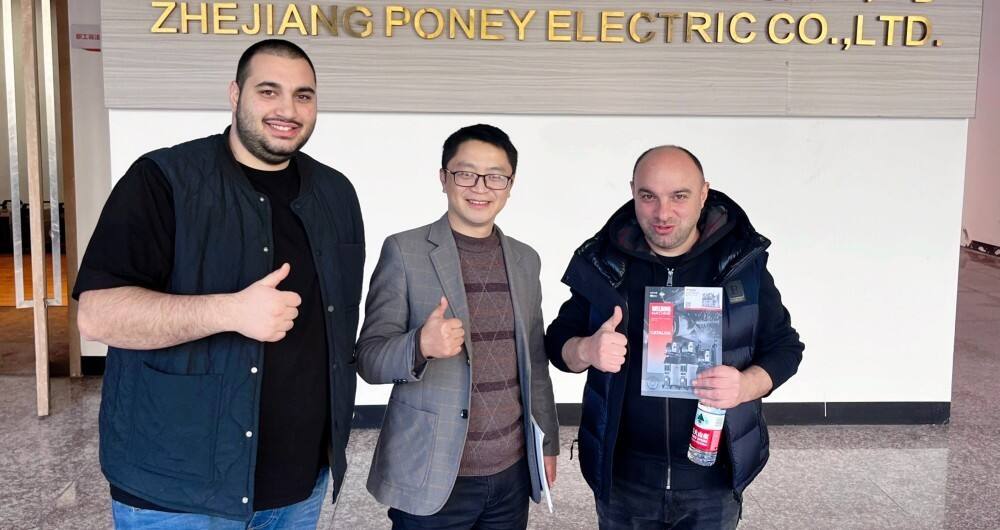
PONEY Welcomes Core Procurement Delegation from Georgia, Signing Cooperation to Open a New Chapter

26

Jan

PONEY Welcomes Core Procurement Delegation from Georgia, Signing Cooperation to Open a New Chapter

View More
Ingenuity Forges a New Chapter! PONEY's New Product Launch Conference Concludes Successfully, with Two Flagship Welding Machines Stealing the Show

26

Jan

Ingenuity Forges a New Chapter! PONEY's New Product Launch Conference Concludes Successfully, with Two Flagship Welding Machines Stealing the Show

View More

Get a Free Quote

Our representative will contact you soon.
Email
Mobile/Whatsapp
Name
Company Name
Message
0/1000

arc welding aluminum

Superior Weld Quality and Metallurgical Properties

Superior Weld Quality and Metallurgical Properties

Arc welding aluminum achieves exceptional weld quality through precise metallurgical control that preserves and enhances the base material's inherent properties while creating joints of remarkable strength and durability. The process generates a controlled fusion zone where the aluminum base metal and filler material combine at the molecular level, creating a homogeneous bond that exhibits superior mechanical properties. This metallurgical fusion results in weld joints that often exceed the tensile strength of the parent aluminum material, providing safety margins crucial for critical applications in aerospace, automotive, and structural engineering sectors. The controlled heat input characteristic of arc welding aluminum prevents excessive grain growth and maintains the aluminum's natural work-hardening capabilities, ensuring that welded assemblies retain their designed mechanical properties throughout their operational life. The process accommodates various aluminum alloy systems, including heat-treatable and non-heat-treatable grades, adapting the welding parameters to optimize the final joint characteristics for each specific application. Advanced arc control technology enables precise manipulation of the weld pool, ensuring complete penetration while minimizing heat-affected zone dimensions that could compromise material properties. The resulting welds exhibit excellent ductility and impact resistance, crucial for applications subjected to dynamic loading conditions or thermal cycling. Corrosion resistance remains uncompromised through the arc welding aluminum process, as the protective oxide layer reforms naturally after welding, maintaining the aluminum's superior environmental durability. The process produces welds with fine grain structures that enhance mechanical properties and provide excellent surface finish characteristics suitable for both structural and aesthetic applications. Quality control advantages include the ability to perform comprehensive non-destructive testing, including radiographic, ultrasonic, and dye penetrant inspections that verify weld integrity without compromising the joint. The metallurgical properties achieved through arc welding aluminum support long-term reliability in demanding environments, reducing lifecycle costs and maintenance requirements significantly compared to alternative joining methods.
Exceptional Versatility and Application Flexibility

Exceptional Versatility and Application Flexibility

Arc welding aluminum demonstrates unparalleled versatility in accommodating diverse materials, joint configurations, and application requirements, making it the preferred choice for industries ranging from precision electronics to heavy construction projects. The technology seamlessly handles aluminum alloys spanning the complete spectrum from commercially pure grades through high-strength aerospace alloys, adapting welding parameters automatically to optimize results for each specific material combination. This versatility extends to thickness capabilities, efficiently joining materials from ultra-thin foils used in heat exchangers to heavy plate sections utilized in marine construction, all within a single welding system configuration. Joint design flexibility allows arc welding aluminum to create virtually any connection geometry, including butt joints, fillet welds, lap joints, and complex three-dimensional assemblies that would be impossible or impractical with mechanical fastening systems. Position welding capabilities enable operations in flat, horizontal, vertical, and overhead orientations, providing complete freedom for field installation and repair work where workpiece positioning may be limited. The process accommodates both manual operation for precision work and automated systems for high-volume production, scaling efficiently from prototype development through mass manufacturing applications. Arc welding aluminum adapts to various shielding gas combinations, including pure argon for maximum quality, argon-helium mixtures for increased penetration, and specialized blends optimized for specific alloy systems or operating conditions. The technology supports multiple electrode types, from consumable wire systems for continuous operation to non-consumable tungsten electrodes for precision control, selecting the optimal approach based on application requirements. Environmental adaptability allows arc welding aluminum to function effectively in shop environments, outdoor construction sites, and specialized facilities with controlled atmospheres, maintaining consistent results across diverse operating conditions. The process integrates seamlessly with computer-controlled systems, enabling programmable welding sequences, real-time parameter monitoring, and quality documentation systems that support modern manufacturing requirements. Repair and modification capabilities prove invaluable for maintenance operations, allowing in-service repairs of aluminum structures without requiring complete disassembly or replacement of major components.
Advanced Technology Integration and Operational Efficiency

Advanced Technology Integration and Operational Efficiency

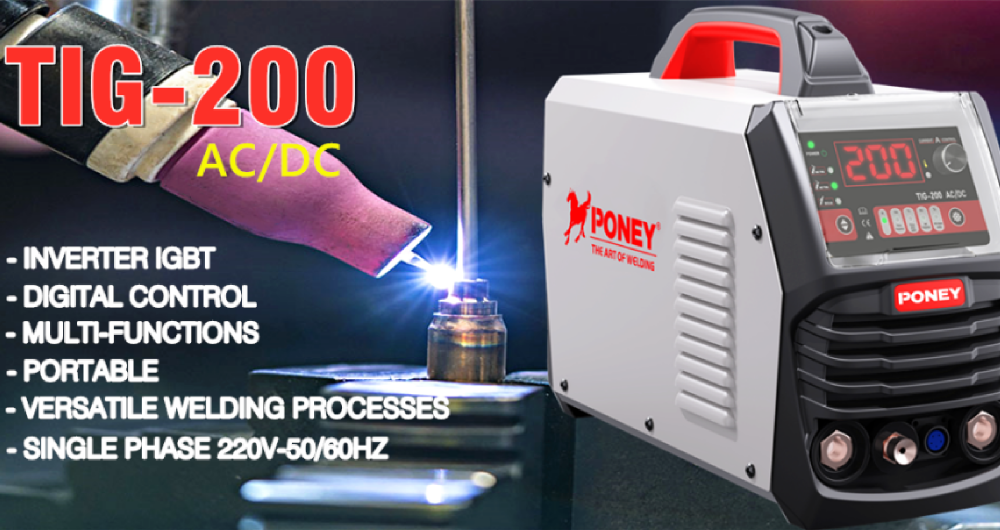
Arc welding aluminum incorporates cutting-edge technology that revolutionizes welding operations through intelligent systems, automated controls, and integrated monitoring capabilities that maximize productivity while ensuring consistent, high-quality results. Modern arc welding aluminum equipment features digital inverter technology that provides precise current control, instant arc starting, and stable arc characteristics across varying conditions, eliminating the inconsistencies associated with traditional transformer-based systems. Advanced waveform control technology optimizes the electrical characteristics of the welding arc, reducing spatter, improving penetration, and enhancing overall weld appearance while minimizing post-weld cleanup requirements. Synergic control systems automatically adjust multiple welding parameters simultaneously based on material type, thickness, and joint configuration, simplifying operator setup and reducing the potential for human error in parameter selection. Real-time monitoring systems continuously track welding conditions, providing immediate feedback on arc stability, travel speed, and heat input, enabling operators to maintain optimal conditions throughout the welding process. Data logging capabilities capture comprehensive welding information for quality documentation, traceability requirements, and process optimization analysis, supporting modern quality management systems and regulatory compliance needs. Remote control integration allows operators to adjust welding parameters from safe distances, particularly valuable for hazardous environments or when welding large structures where direct equipment access proves challenging. The technology supports network connectivity for centralized monitoring of multiple welding stations, enabling supervisors to track productivity, identify training needs, and optimize workflow efficiency across manufacturing operations. Predictive maintenance capabilities monitor equipment performance parameters, providing early warning of potential issues before they impact production or weld quality, reducing downtime and maintenance costs significantly. Energy efficiency improvements inherent in modern arc welding aluminum systems reduce operating costs while supporting environmental sustainability initiatives through reduced power consumption and improved resource utilization. User-friendly interfaces with touchscreen controls, graphical displays, and intuitive menu structures reduce operator training time and minimize the learning curve for new personnel, supporting workforce development initiatives and operational flexibility requirements.

Get a Free Quote

Our representative will contact you soon.
Email
Mobile/Whatsapp
Name
Company Name
Message
0/1000