arc welding and gas welding
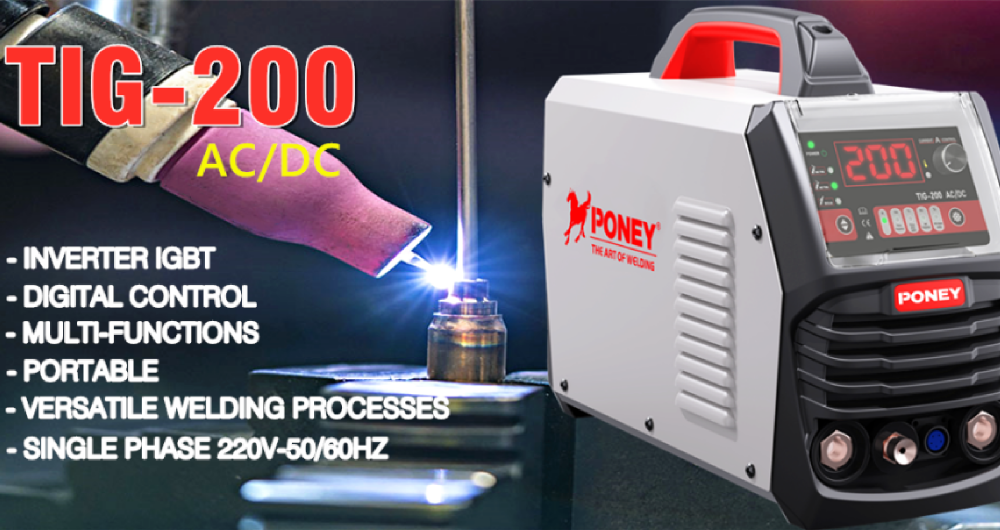
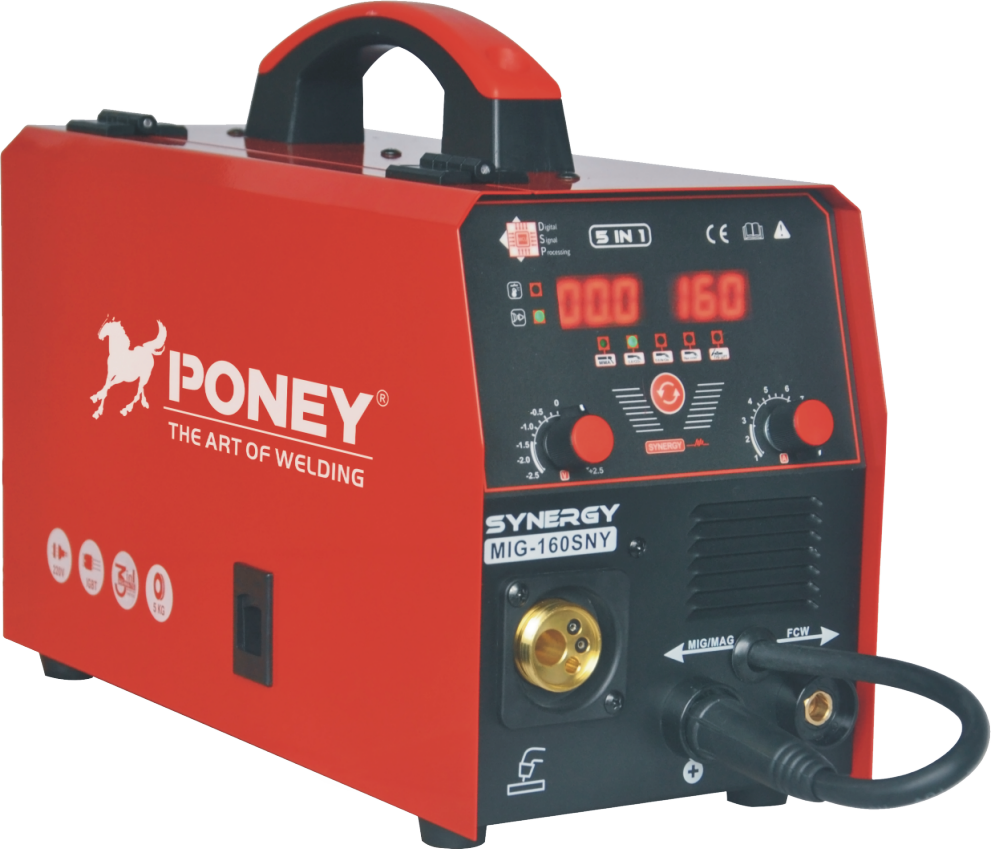
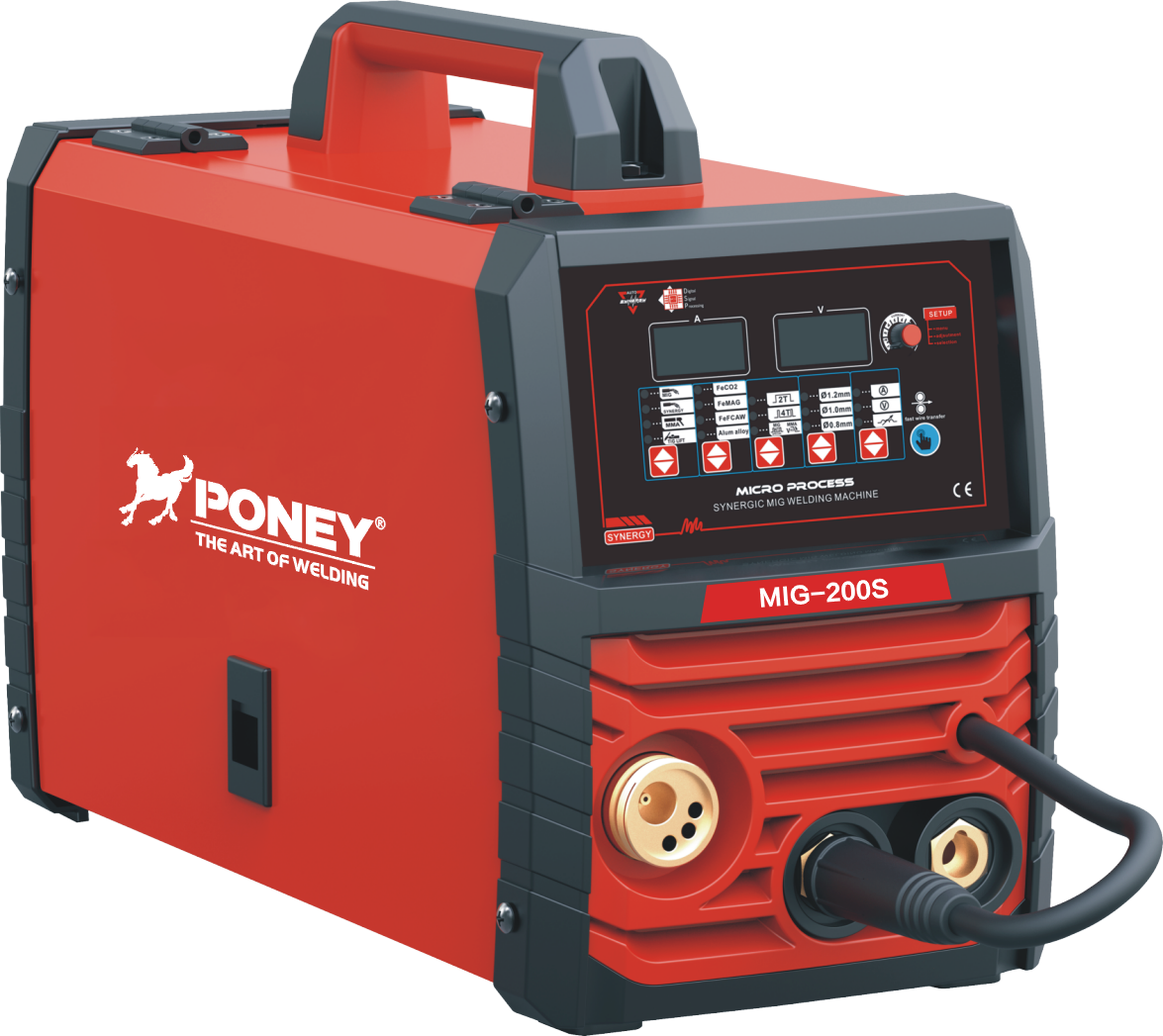
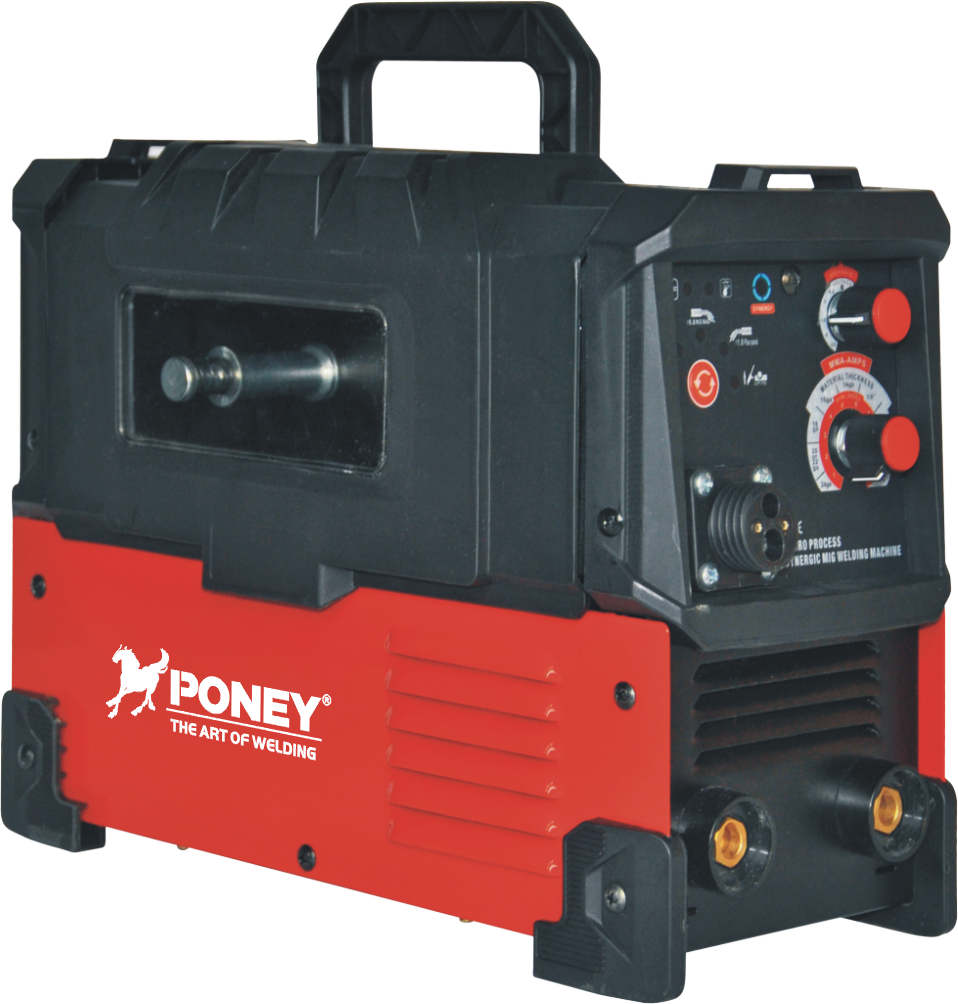
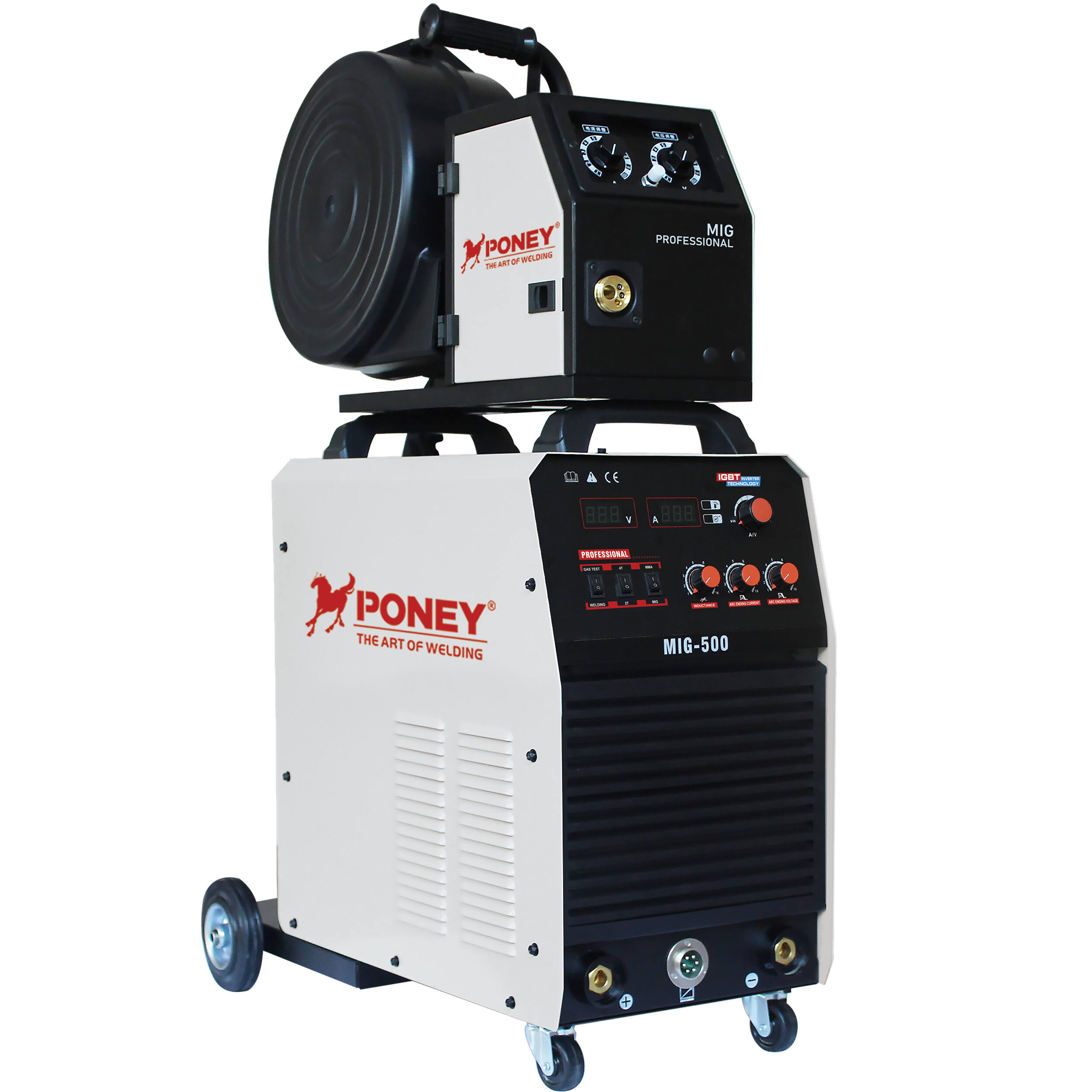
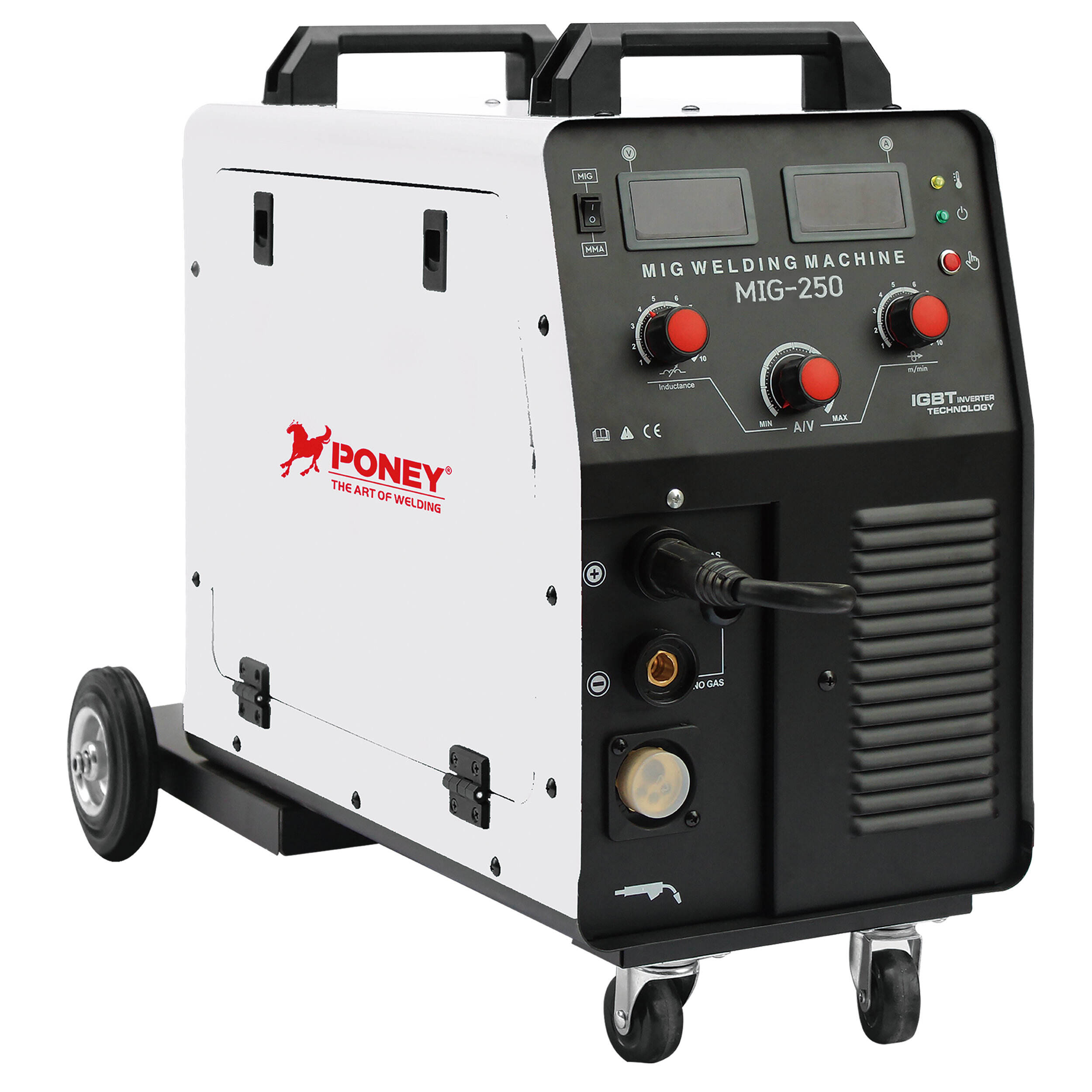
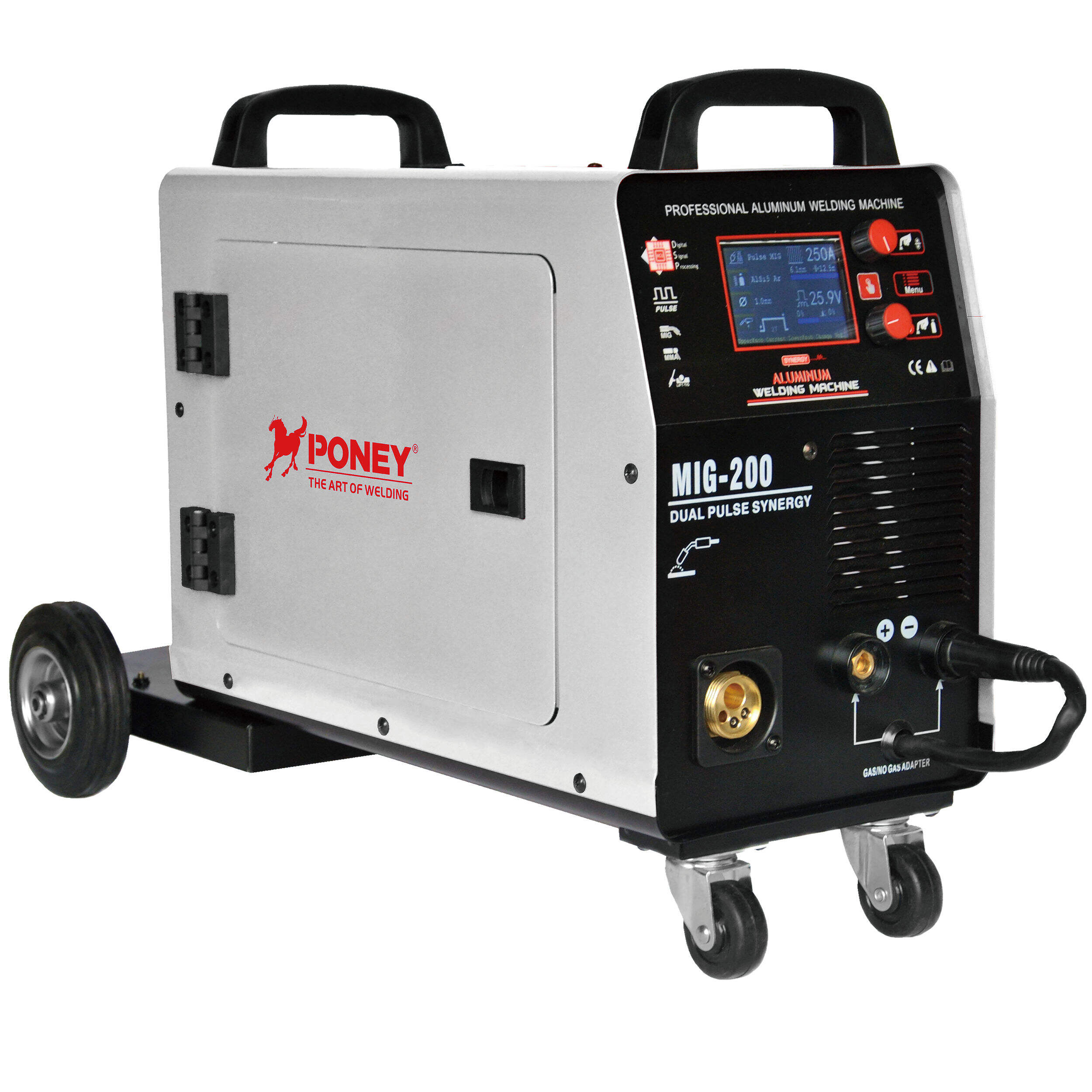
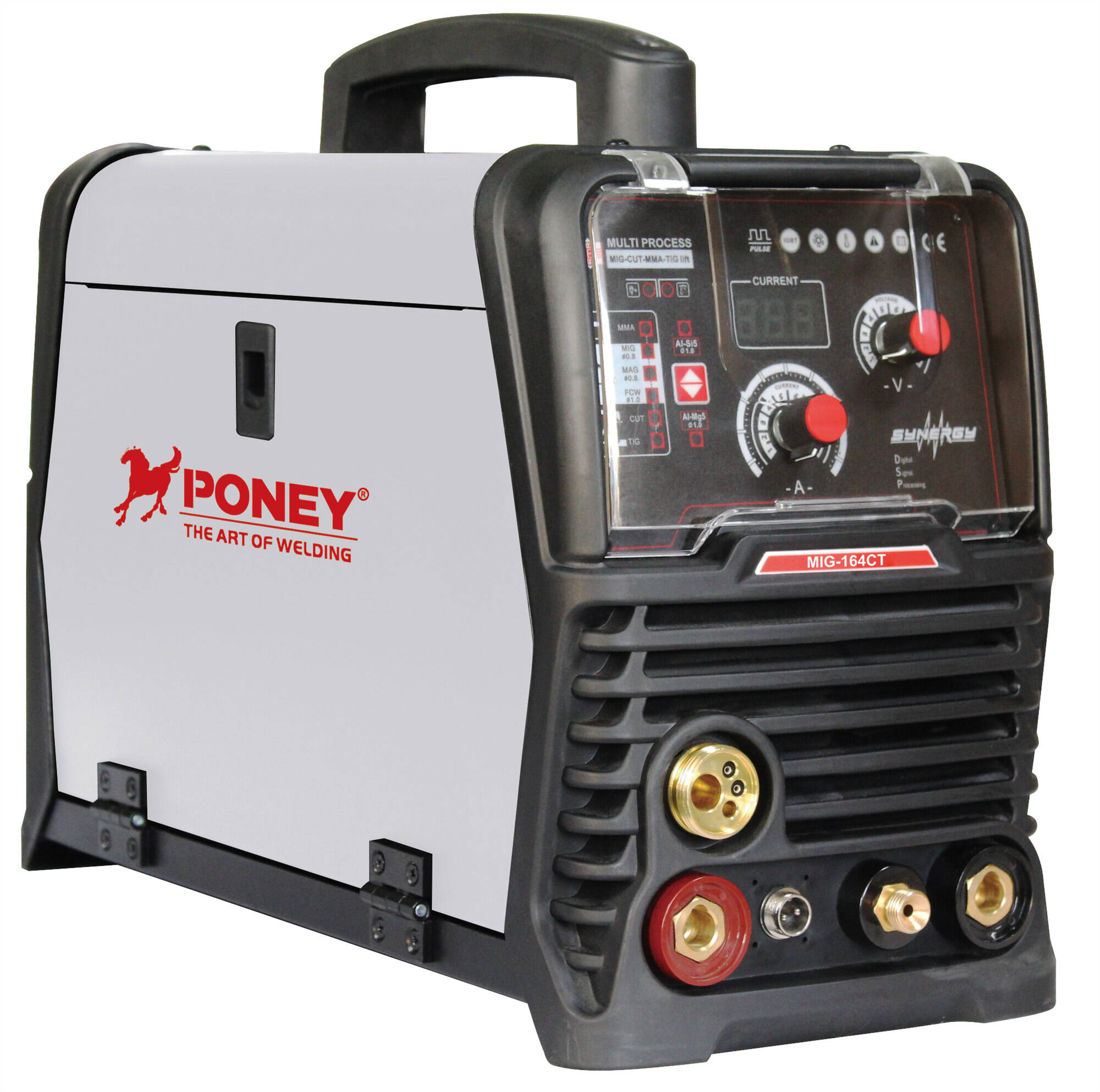
Arc welding and gas welding represent two fundamental metal joining technologies that have revolutionized manufacturing and construction industries worldwide. Arc welding utilizes an electric arc between an electrode and the base material to generate intense heat, typically reaching temperatures of 3,500 to 4,000 degrees Celsius. This process creates a molten weld pool that fuses materials together permanently. The electric current can be either alternating current or direct current, depending on the specific application requirements. Gas welding, also known as oxy-fuel welding, combines oxygen with a fuel gas such as acetylene to produce a controlled flame that melts the base metals and filler material. The flame temperature in gas welding typically ranges from 3,000 to 3,500 degrees Celsius, providing precise heat control for delicate operations. Both arc welding and gas welding offer distinct technological features that make them suitable for different applications. Arc welding processes include stick welding, MIG welding, TIG welding, and flux-cored welding, each designed for specific material types and thicknesses. The technology provides deep penetration capabilities and high welding speeds, making it ideal for structural steel construction, shipbuilding, and heavy machinery manufacturing. Gas welding technology offers superior heat control and visual clarity of the weld pool, making it perfect for thin materials, repair work, and artistic metalworking. The applications for arc welding span across automotive manufacturing, pipeline construction, bridge building, and industrial fabrication where strong, permanent joints are essential. Gas welding finds extensive use in plumbing, HVAC systems, jewelry making, and restoration projects where precision and finesse are paramount. Both welding methods continue to evolve with advanced equipment designs, improved safety features, and enhanced portability options.
 EN
EN