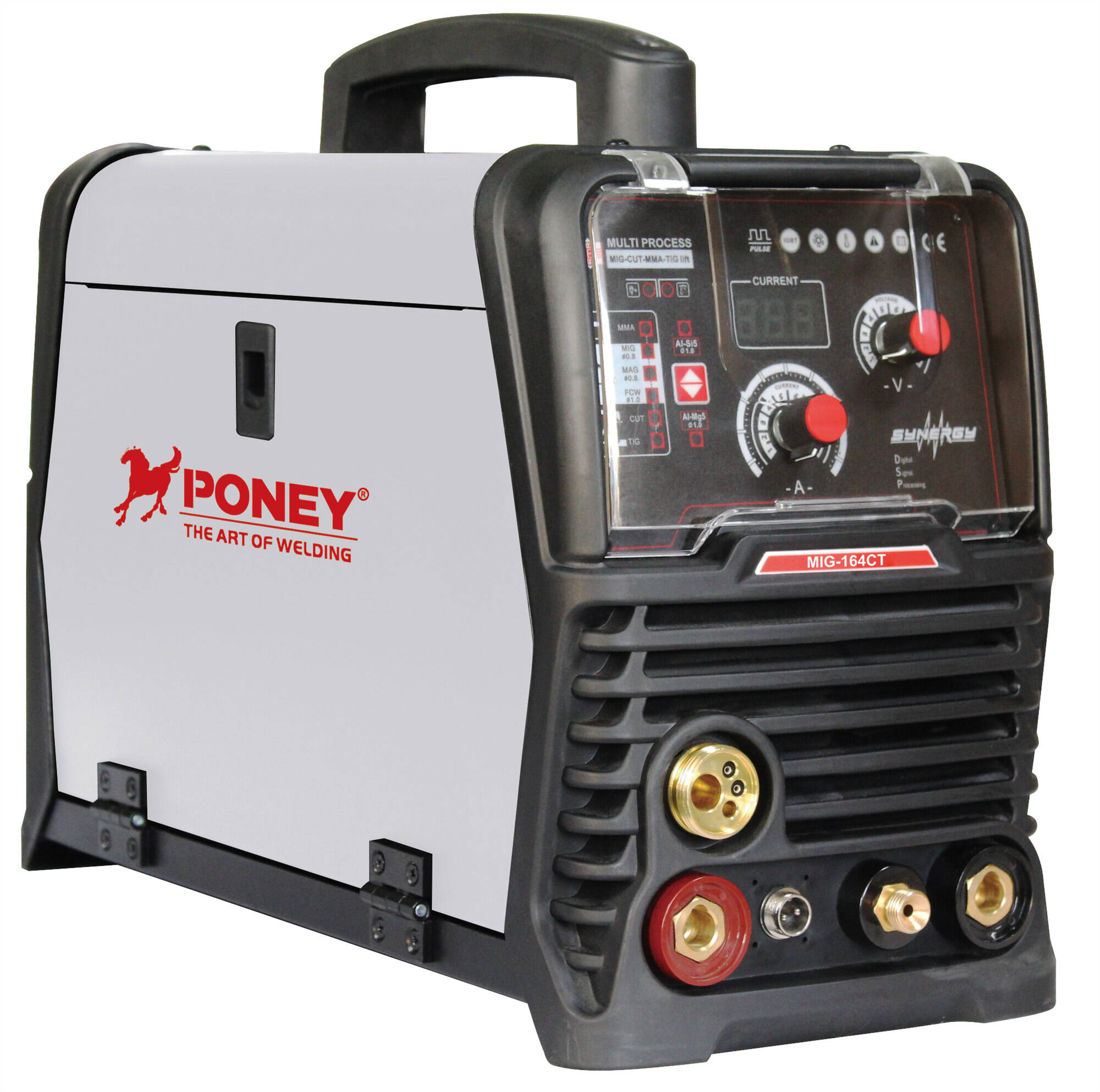
Industrial Cutting Machine Solutions: Precision, Efficiency & Advanced Manufacturing Technology

Get a Free Quote

Our representative will contact you soon.
Email
Mobile/Whatsapp
Name
Company Name
Message
0/1000

industrial cutting machine

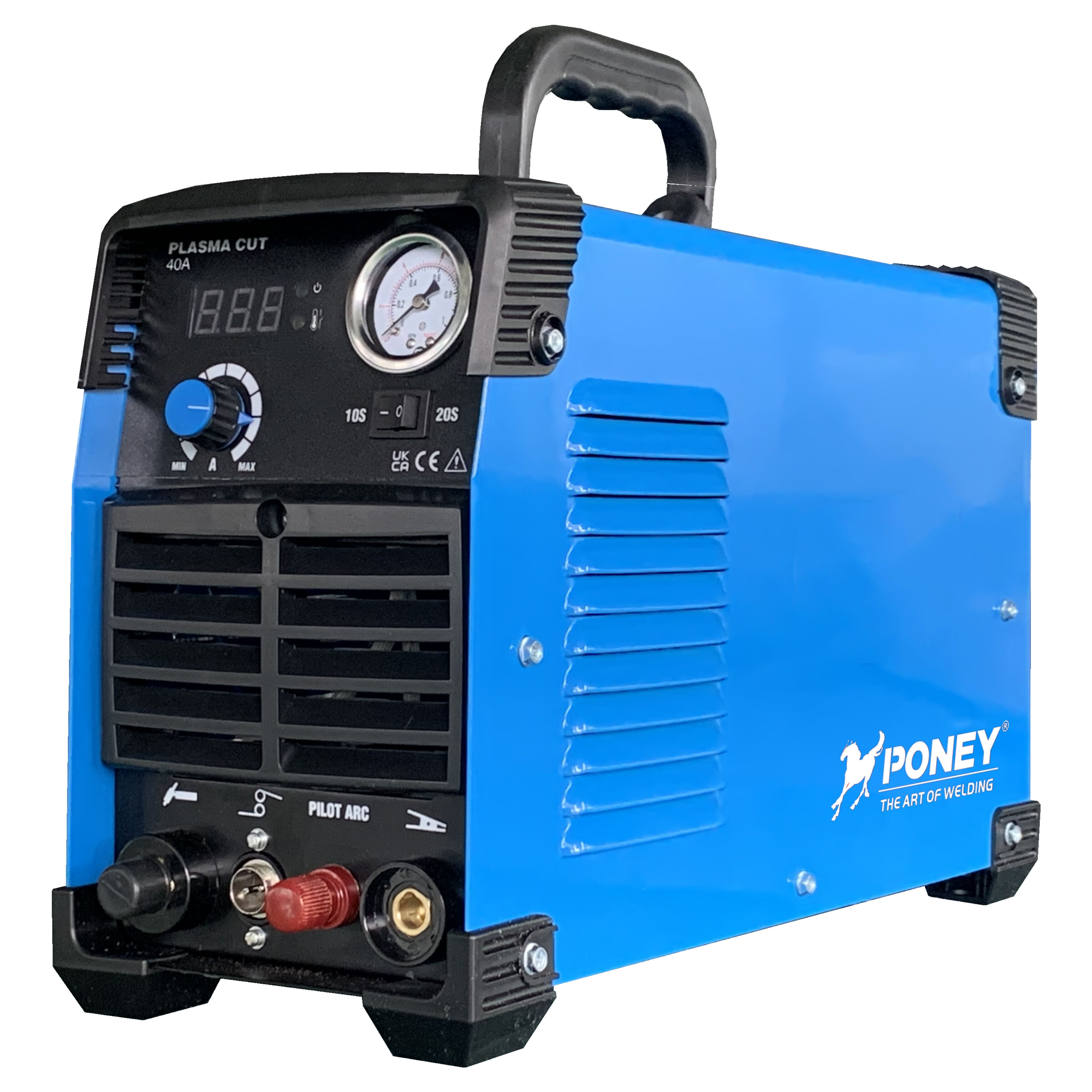
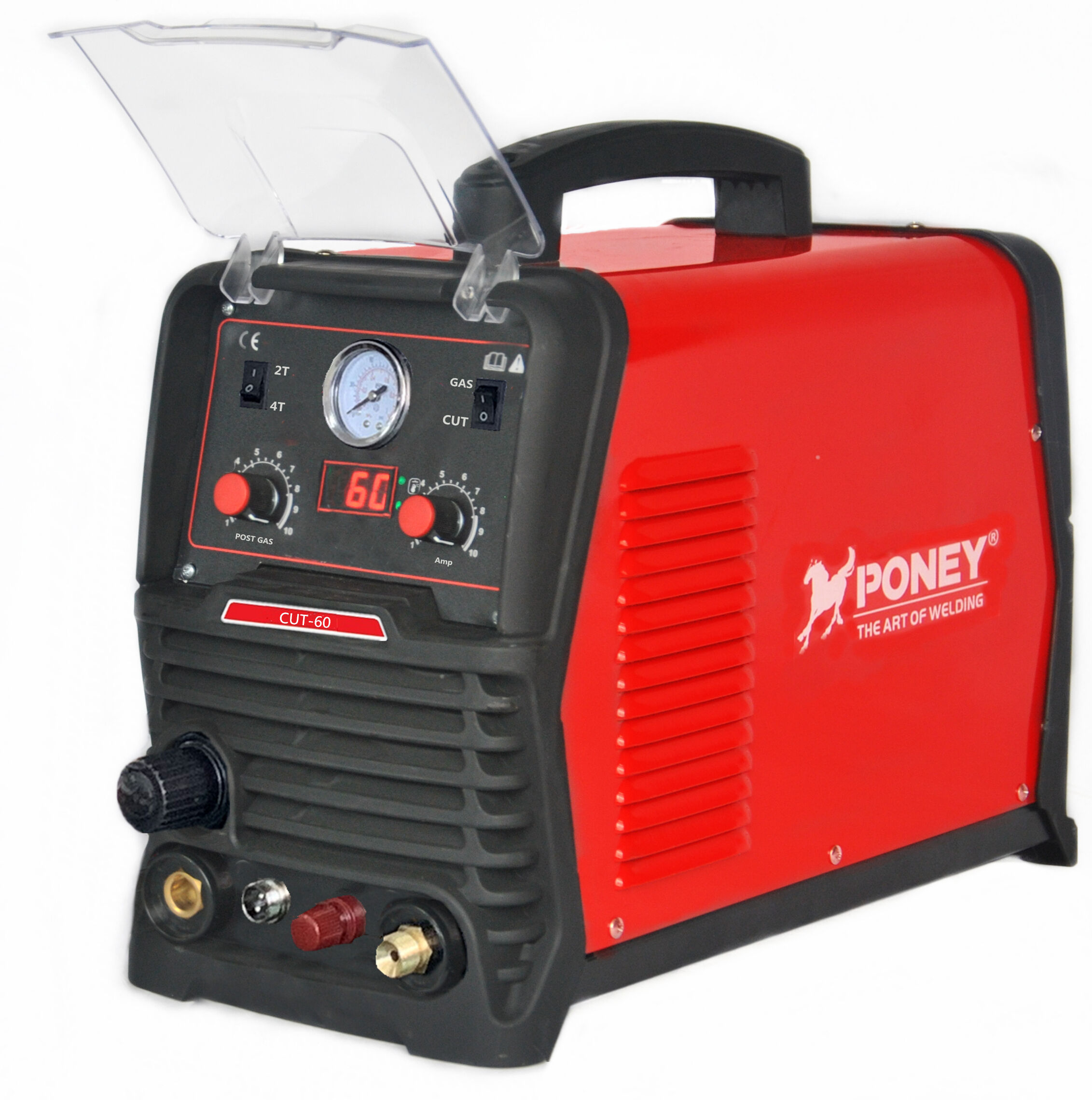
Industrial cutting machines represent sophisticated manufacturing equipment designed to precisely slice, shape, and fabricate materials across diverse industries. These powerful systems utilize advanced technologies including laser cutting, plasma cutting, waterjet cutting, and mechanical blade systems to achieve exceptional accuracy and efficiency in material processing. Modern industrial cutting machines integrate computer numerical control (CNC) technology, enabling operators to execute complex cutting patterns with remarkable precision and repeatability. The primary functions of these machines encompass straight-line cutting, curve cutting, beveling, drilling, and intricate pattern creation across materials ranging from metals and plastics to composites and ceramics. Contemporary industrial cutting machine models feature sophisticated software interfaces that allow operators to import digital designs, optimize cutting paths, and monitor production parameters in real-time. These systems incorporate safety mechanisms including emergency stops, protective barriers, and automatic shut-off features to ensure operator protection during operation. The technological features of modern industrial cutting machines include servo-driven motors for precise positioning, high-resolution feedback systems for accurate movement control, and advanced cooling systems to maintain optimal operating temperatures. Many units offer multi-axis capabilities, enabling three-dimensional cutting operations that expand manufacturing possibilities significantly. Industrial cutting machines find extensive applications in automotive manufacturing, aerospace production, shipbuilding, construction, furniture manufacturing, and sign-making industries. They excel in producing components for machinery, architectural elements, decorative items, and precision parts requiring tight tolerances. The versatility of industrial cutting machines allows manufacturers to process sheet metal, thick plates, tubes, profiles, and complex geometric shapes efficiently. These machines significantly reduce material waste through optimized nesting algorithms and precise cutting capabilities, making them essential tools for cost-effective production in competitive manufacturing environments.

Popular Products

Industrial cutting machines deliver substantial productivity improvements that directly impact manufacturing efficiency and profitability. These machines operate continuously with minimal downtime, processing materials at speeds significantly faster than manual cutting methods while maintaining consistent quality standards throughout production runs. The precision capabilities of industrial cutting machines eliminate the need for secondary finishing operations in many applications, reducing labor costs and accelerating project completion timelines. Manufacturers experience dramatic reductions in material waste because these machines calculate optimal cutting patterns that maximize material utilization, translating directly into cost savings on raw materials. The automation features of industrial cutting machines reduce dependency on skilled manual labor, allowing companies to maintain consistent production levels even during workforce fluctuations. Quality consistency represents another major advantage, as these machines produce identical cuts repeatedly without variation, eliminating human error and ensuring parts meet exact specifications every time. The flexibility of industrial cutting machines enables rapid changeovers between different products or materials, supporting diverse production requirements without significant setup delays. Energy efficiency improvements in modern industrial cutting machines reduce operational costs while supporting environmental sustainability initiatives within manufacturing facilities. These machines integrate seamlessly with existing production workflows, accepting digital files directly from design software and coordinating with downstream manufacturing processes. Maintenance requirements for industrial cutting machines remain minimal compared to alternative cutting methods, with predictable service schedules that prevent unexpected production interruptions. The return on investment for industrial cutting machines typically materializes quickly through increased throughput, reduced labor costs, and improved material utilization rates. Safety enhancements built into these machines protect operators while reducing insurance costs and liability concerns for manufacturing companies. Remote monitoring capabilities allow supervisors to track performance metrics, identify optimization opportunities, and schedule maintenance proactively. The scalability of industrial cutting machine operations enables manufacturers to increase production capacity without proportional increases in staffing or facility requirements. Data collection features provide valuable insights into production efficiency, material usage patterns, and equipment performance trends that support continuous improvement initiatives.

Practical Tips

PONEY Upholds Tradition of Excellence

26

Jan

PONEY Upholds Tradition of Excellence

View More
PONEY Welcomes Core Procurement Delegation from Georgia, Signing Cooperation to Open a New Chapter

26

Jan

PONEY Welcomes Core Procurement Delegation from Georgia, Signing Cooperation to Open a New Chapter

View More
Ingenuity Forges a New Chapter! PONEY's New Product Launch Conference Concludes Successfully, with Two Flagship Welding Machines Stealing the Show

26

Jan

Ingenuity Forges a New Chapter! PONEY's New Product Launch Conference Concludes Successfully, with Two Flagship Welding Machines Stealing the Show

View More

Get a Free Quote

Our representative will contact you soon.
Email
Mobile/Whatsapp
Name
Company Name
Message
0/1000

industrial cutting machine

Advanced Precision Technology for Superior Manufacturing Results

Advanced Precision Technology for Superior Manufacturing Results

Industrial cutting machines incorporate state-of-the-art precision technology that revolutionizes manufacturing accuracy and consistency across all production applications. The advanced servo control systems within these machines achieve positioning accuracies measured in thousandths of inches, enabling manufacturers to produce components that meet the most demanding tolerance requirements in aerospace, medical device, and precision engineering applications. High-resolution encoders continuously monitor cutting head position and movement, providing real-time feedback that maintains perfect alignment throughout the entire cutting process. The sophisticated motion control algorithms optimize acceleration, deceleration, and cutting speeds automatically based on material properties and cutting requirements, ensuring optimal results without operator intervention. Advanced laser interferometry systems in premium industrial cutting machine models provide position verification at the nanometer level, guaranteeing that cut dimensions match design specifications exactly. The integration of artificial intelligence and machine learning capabilities enables these machines to adapt cutting parameters dynamically based on material variations, environmental conditions, and tool wear patterns. Thermal compensation systems automatically adjust for temperature-induced dimensional changes in both the machine structure and workpiece materials, maintaining accuracy even during extended production runs. The precision technology extends beyond simple positioning to include advanced beam quality monitoring in laser cutting systems, plasma arc stability control in plasma cutting applications, and pressure regulation in waterjet cutting operations. Multi-axis interpolation capabilities allow industrial cutting machines to execute complex three-dimensional cutting paths with smooth motion profiles that eliminate step marks and surface irregularities. Quality assurance sensors integrated into the cutting process monitor cut quality in real-time, automatically adjusting parameters or alerting operators when deviations occur. The precision benefits translate directly into reduced scrap rates, elimination of secondary machining operations, and improved fit and finish in assembled products, providing substantial cost savings and quality improvements for manufacturers.
Exceptional Versatility for Diverse Material Processing Capabilities

Exceptional Versatility for Diverse Material Processing Capabilities

Industrial cutting machines demonstrate remarkable versatility that enables manufacturers to process an extensive range of materials and thicknesses within a single production setup, eliminating the need for multiple specialized cutting systems. These machines excel at cutting ferrous and non-ferrous metals including steel, aluminum, titanium, copper, and exotic alloys used in aerospace and medical applications, with thickness capabilities ranging from thin foils to plates several inches thick. The material processing capabilities extend beyond metals to include plastics, composites, ceramics, glass, rubber, textiles, and even food products in specialized applications. Advanced industrial cutting machine models feature automatic material recognition systems that identify workpiece properties and select optimal cutting parameters without manual intervention. The ability to process reflective materials like polished stainless steel and aluminum presents no challenges for modern systems equipped with specialized beam delivery technologies and adaptive power control. Composite materials including carbon fiber, fiberglass, and advanced polymer matrices receive clean, delamination-free cuts that preserve structural integrity and appearance quality. The versatility extends to cutting complex geometries including sharp corners, small radii, intricate patterns, and three-dimensional shapes that would be impossible or prohibitively expensive using conventional machining methods. Multiple cutting technologies within a single industrial cutting machine platform allow operators to switch between laser, plasma, and mechanical cutting modes based on material requirements and production objectives. The material handling systems accommodate various workpiece sizes and shapes, from small precision components to large structural elements weighing several tons. Automatic nesting software maximizes material utilization across different part sizes and shapes, reducing waste while optimizing production efficiency. The versatility of industrial cutting machines supports rapid prototyping applications, enabling manufacturers to test new designs quickly and cost-effectively before committing to production tooling. This adaptability allows manufacturers to respond quickly to changing market demands and customer requirements without significant capital investments in new equipment.
Intelligent Automation Features for Enhanced Operational Efficiency

Intelligent Automation Features for Enhanced Operational Efficiency

Industrial cutting machines incorporate sophisticated automation technologies that transform manufacturing operations by reducing manual intervention, minimizing errors, and maximizing productivity throughout the production process. The intelligent automation begins with advanced CAD/CAM integration that imports design files directly from engineering software, automatically generates optimized tool paths, and calculates precise cutting parameters based on material properties and thickness specifications. Automated material handling systems load and unload workpieces without operator assistance, positioning materials with precise accuracy while maintaining continuous production flow even during shift changes or break periods. The automation features include automatic tool changing systems that select appropriate cutting tools, consumables, or processing heads based on job requirements, eliminating manual setup time and reducing the possibility of incorrect tool selection. Real-time process monitoring systems continuously analyze cutting performance, automatically adjusting power levels, cutting speeds, and gas flows to maintain optimal results throughout the production run. Predictive maintenance algorithms monitor machine component wear patterns, vibration signatures, and performance degradation trends to schedule maintenance activities before failures occur, preventing unexpected downtime and production delays. Intelligent quality control systems inspect cut edges automatically using laser measurement, vision systems, or contact probes, identifying defects immediately and triggering corrective actions or part rejection as necessary. The automation capabilities extend to inventory management through integration with enterprise resource planning systems that track material consumption, schedule production runs, and coordinate with supply chain management processes. Operator interface systems provide intuitive touchscreen controls with visual programming capabilities that allow production staff to modify cutting programs quickly without extensive programming knowledge. Remote monitoring and control capabilities enable supervisors to oversee multiple industrial cutting machine installations from centralized control rooms, optimizing resource allocation and coordinating production schedules across facility locations. The intelligent automation features include adaptive learning systems that analyze production data continuously, identifying optimization opportunities and implementing improvements automatically to enhance efficiency, quality, and cost-effectiveness over time.

Get a Free Quote

Our representative will contact you soon.
Email
Mobile/Whatsapp
Name
Company Name
Message
0/1000