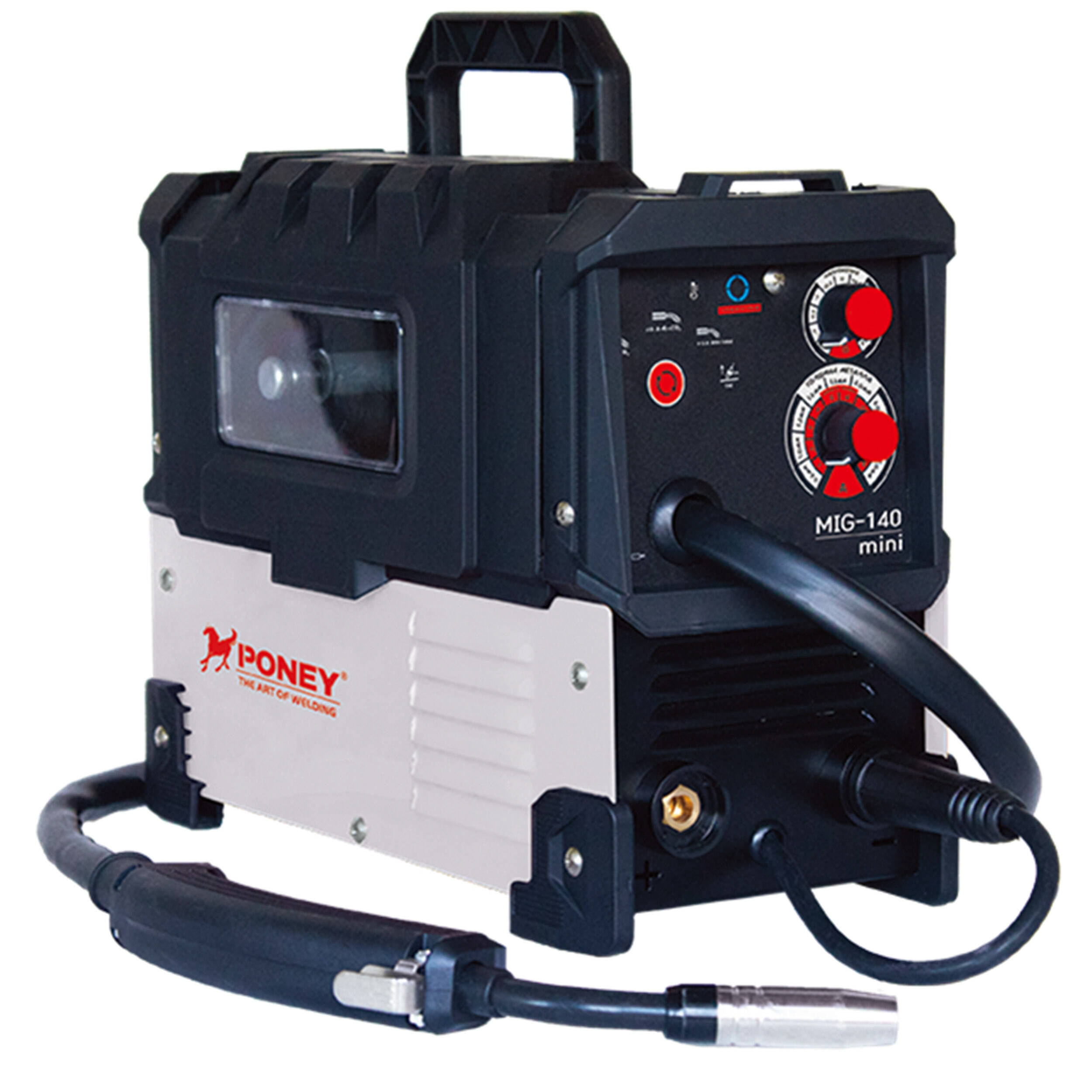
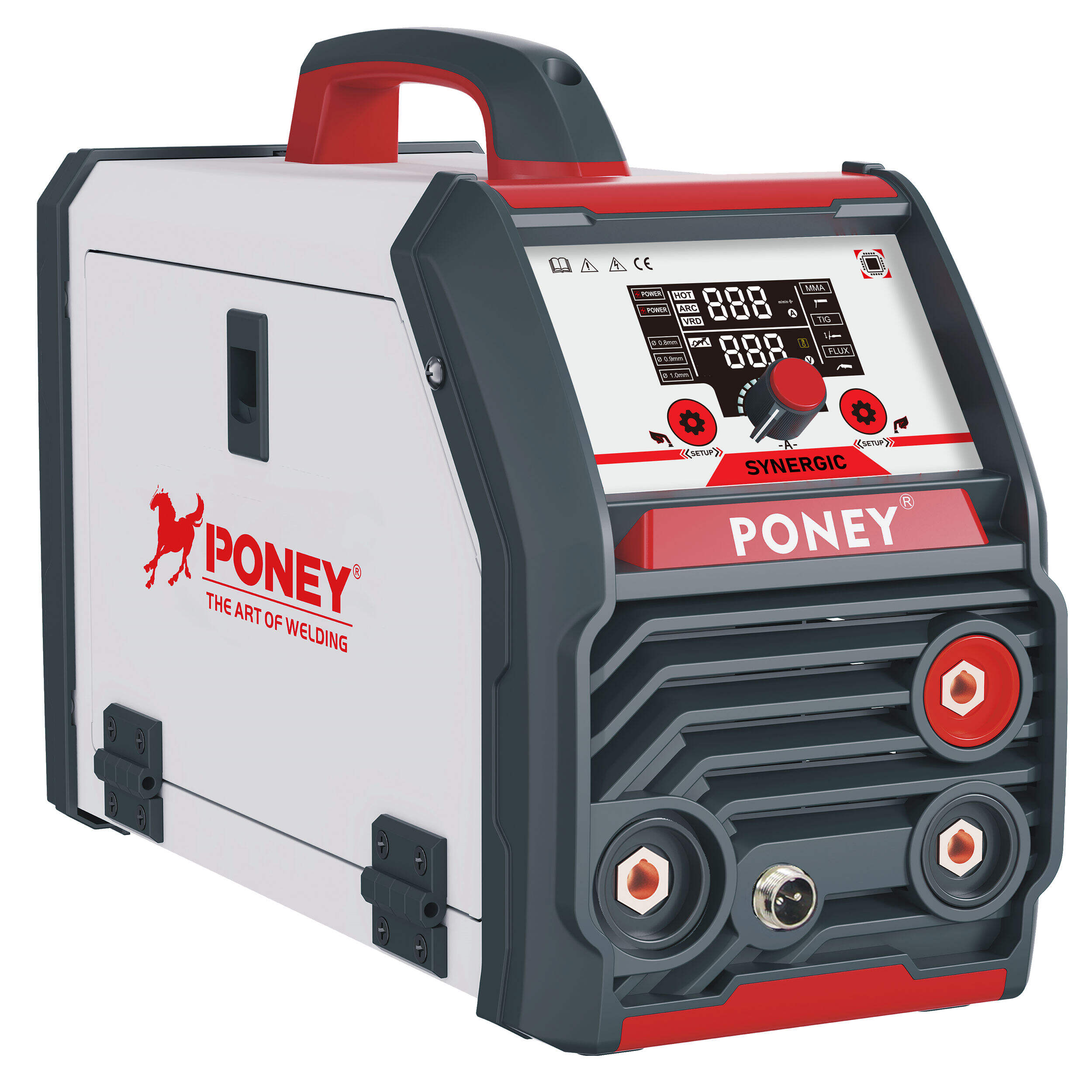
industrial welding machine
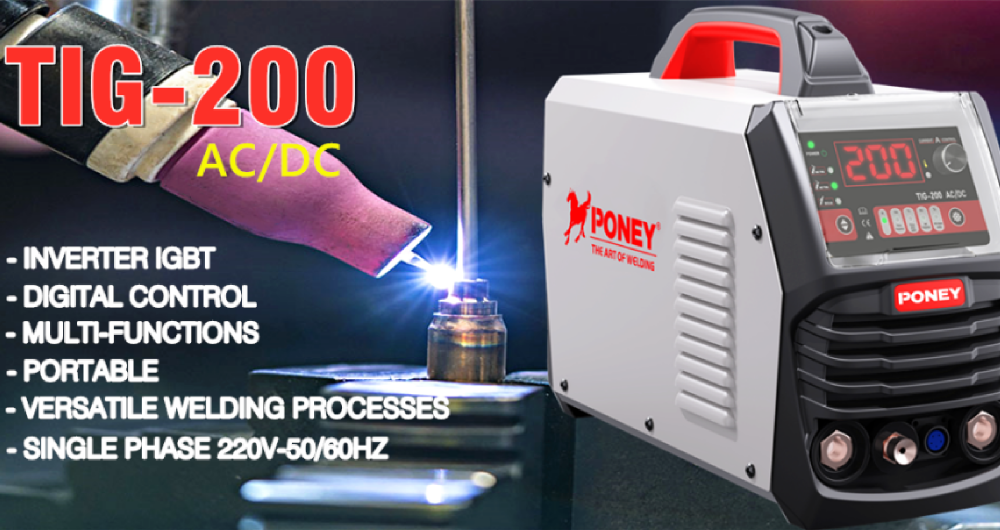
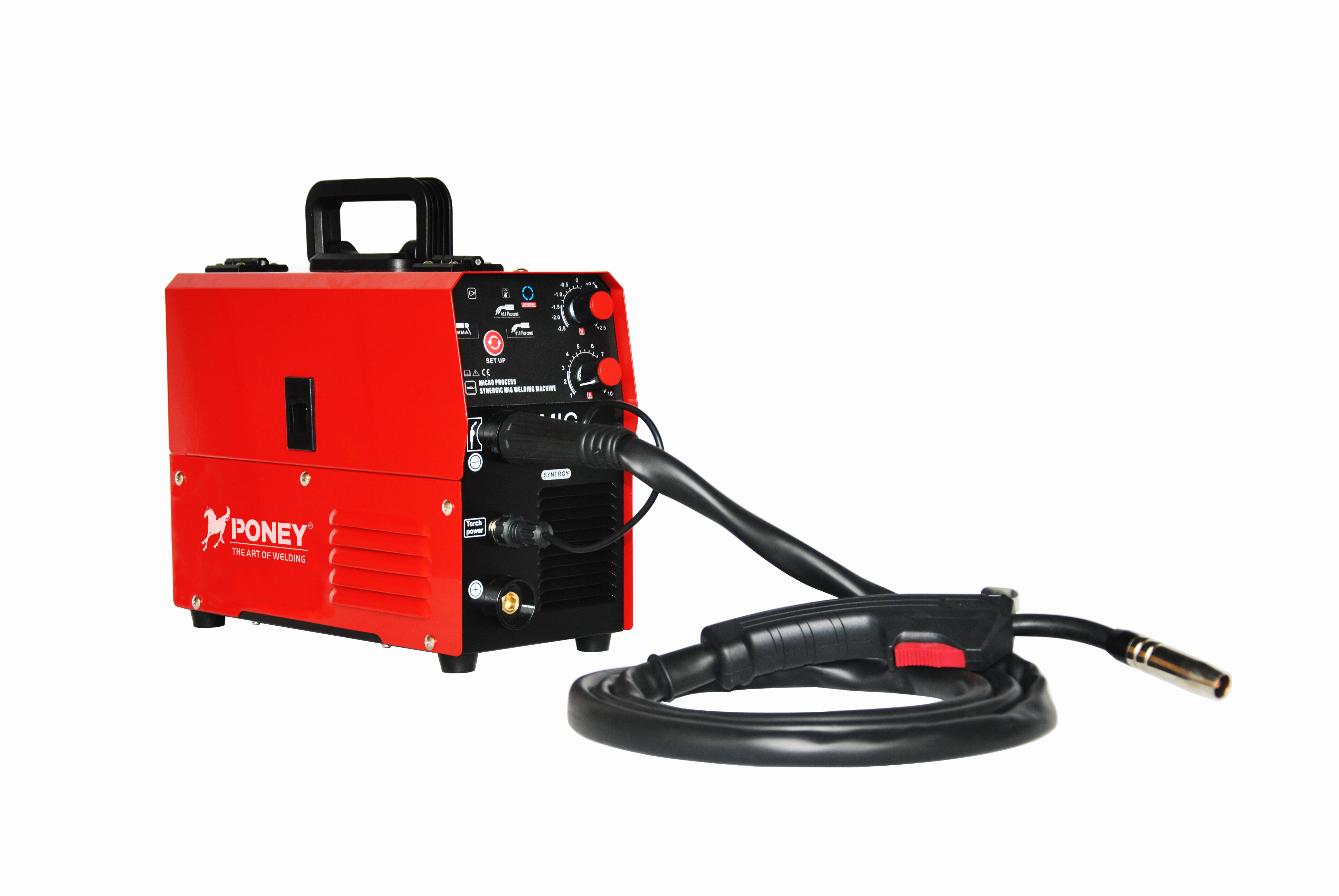
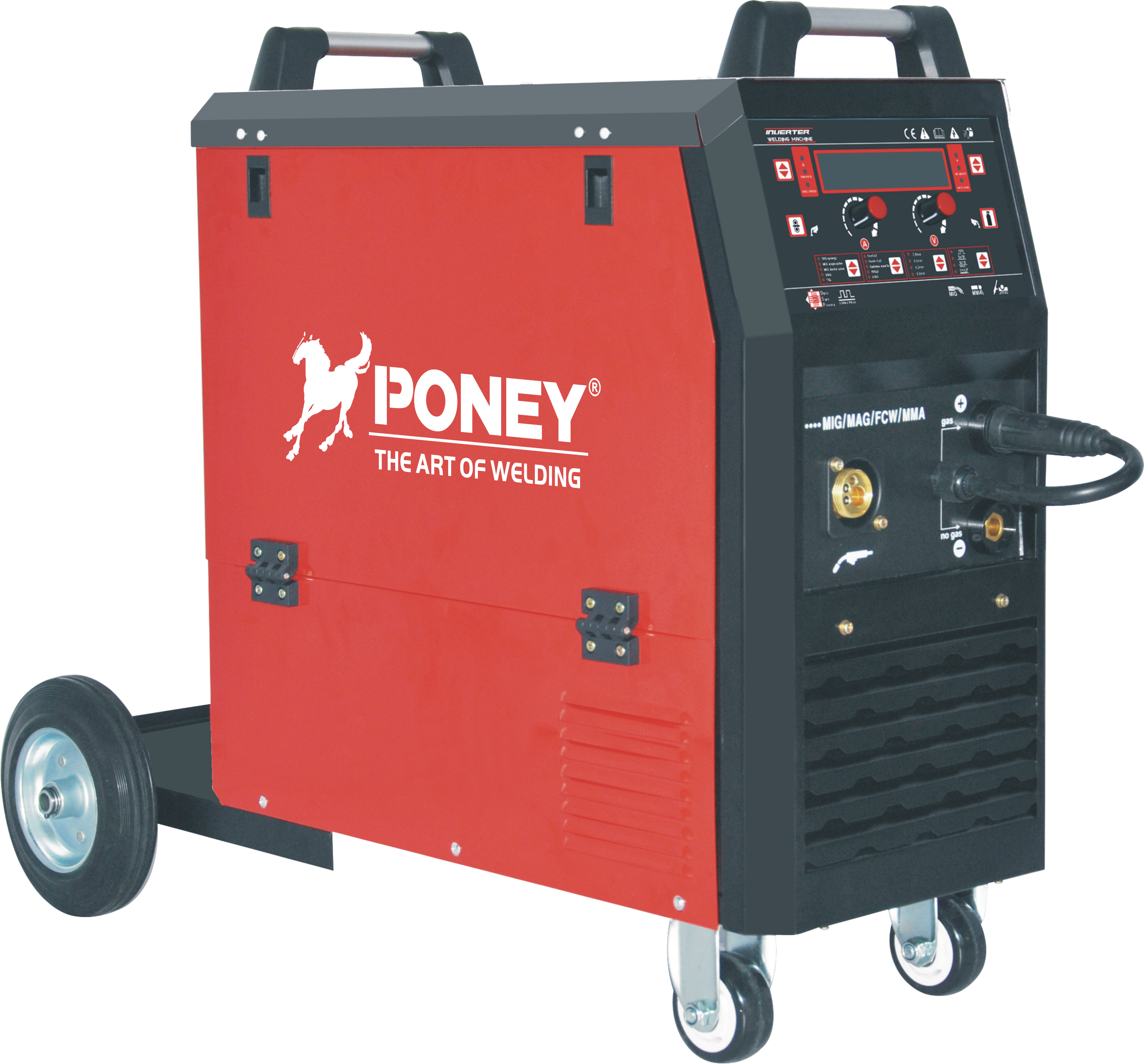
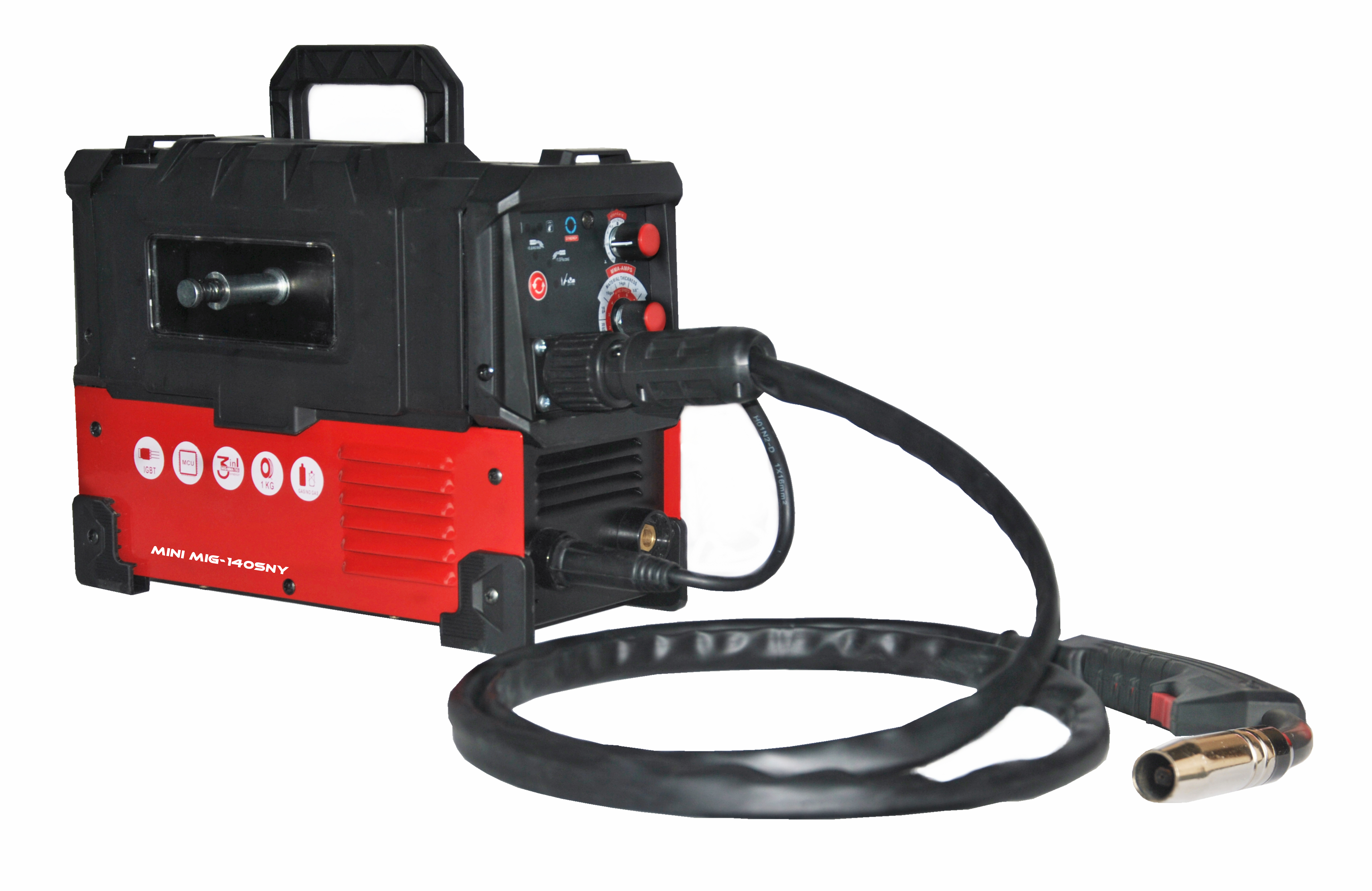
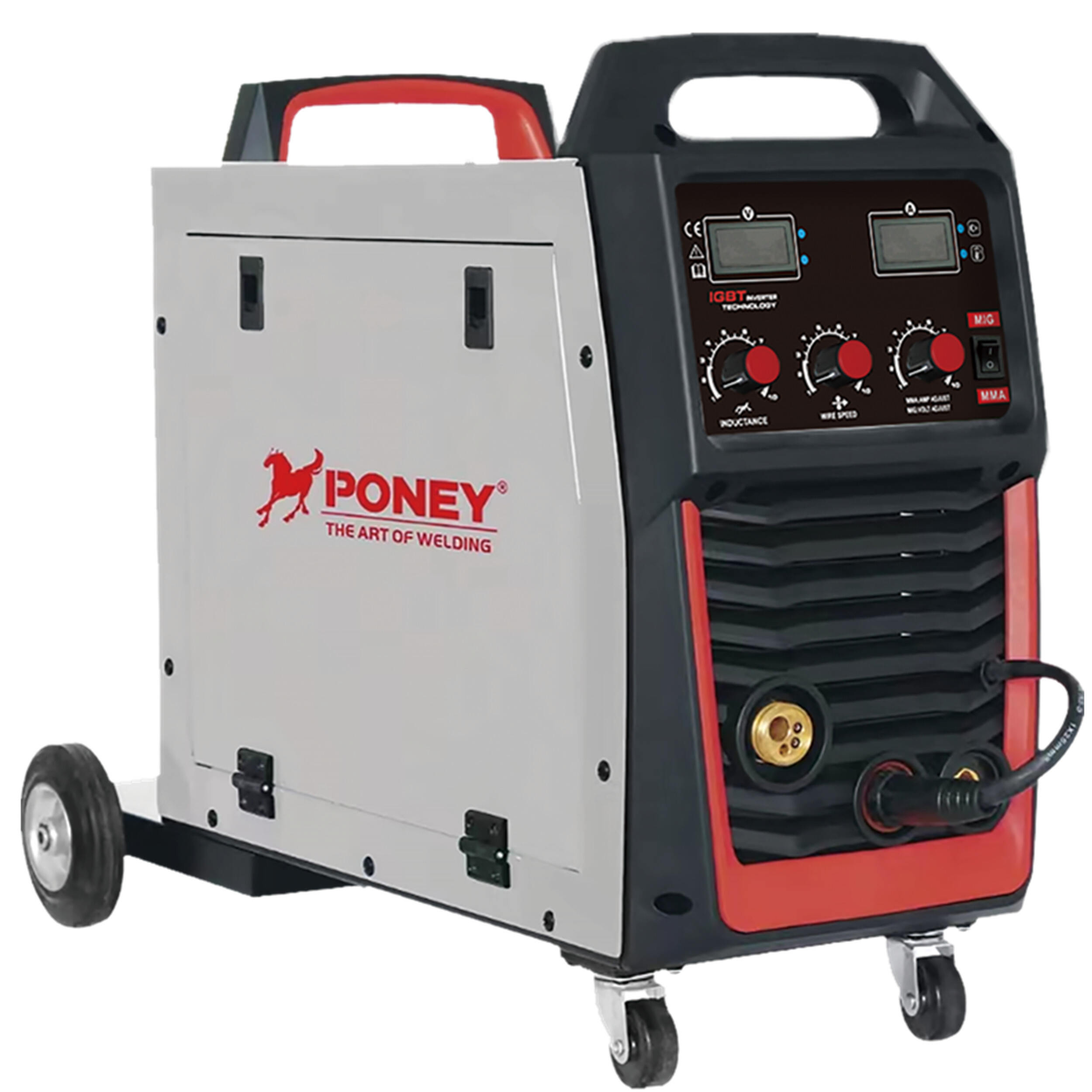
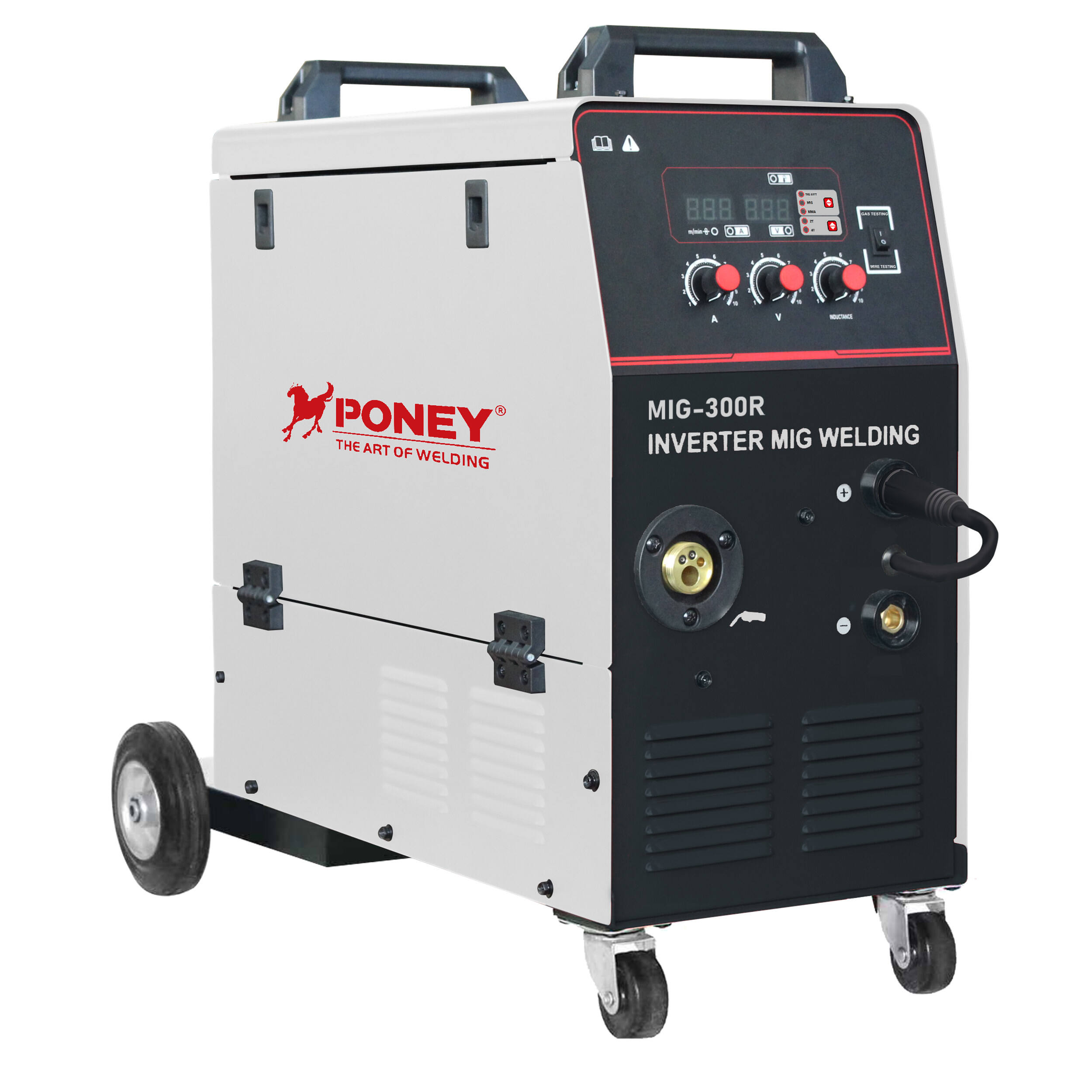
Industrial welding machines represent the backbone of modern manufacturing operations, delivering precision joining solutions across countless sectors. These sophisticated units transform raw electrical power into controlled heat energy, creating permanent bonds between metal components through various welding processes. The core functionality revolves around generating an electric arc or flame that melts base materials, allowing operators to fuse separate pieces into unified structures. Contemporary industrial welding machines incorporate advanced inverter technology, microprocessor controls, and digital displays that enable precise parameter adjustments for optimal results. The primary functions encompass multiple welding techniques including MIG, TIG, stick welding, and flux-cored processes, each suited for specific material types and thickness requirements. Technological features include automatic voltage regulation, thermal overload protection, and programmable memory settings that store frequently used parameters. These machines deliver consistent arc stability through sophisticated feedback systems that continuously monitor and adjust output characteristics. Advanced models integrate wireless connectivity, enabling remote monitoring and data logging capabilities that enhance operational efficiency. The robust construction typically features heavy-duty transformers, high-frequency inverters, and industrial-grade components designed to withstand demanding production environments. Cooling systems prevent overheating during extended operations, while ergonomic designs reduce operator fatigue. Applications span automotive manufacturing, shipbuilding, construction, pipeline installation, and aerospace fabrication. Industrial welding machines serve critical roles in infrastructure development, from skyscraper frameworks to bridge construction projects. The versatility extends to repair and maintenance operations across manufacturing facilities, oil refineries, and power generation plants. These units accommodate various material combinations including carbon steel, stainless steel, aluminum alloys, and exotic metals. The precision control enables both thick structural welding and delicate thin-gauge applications, making them indispensable tools for quality-focused production environments.
 EN
EN