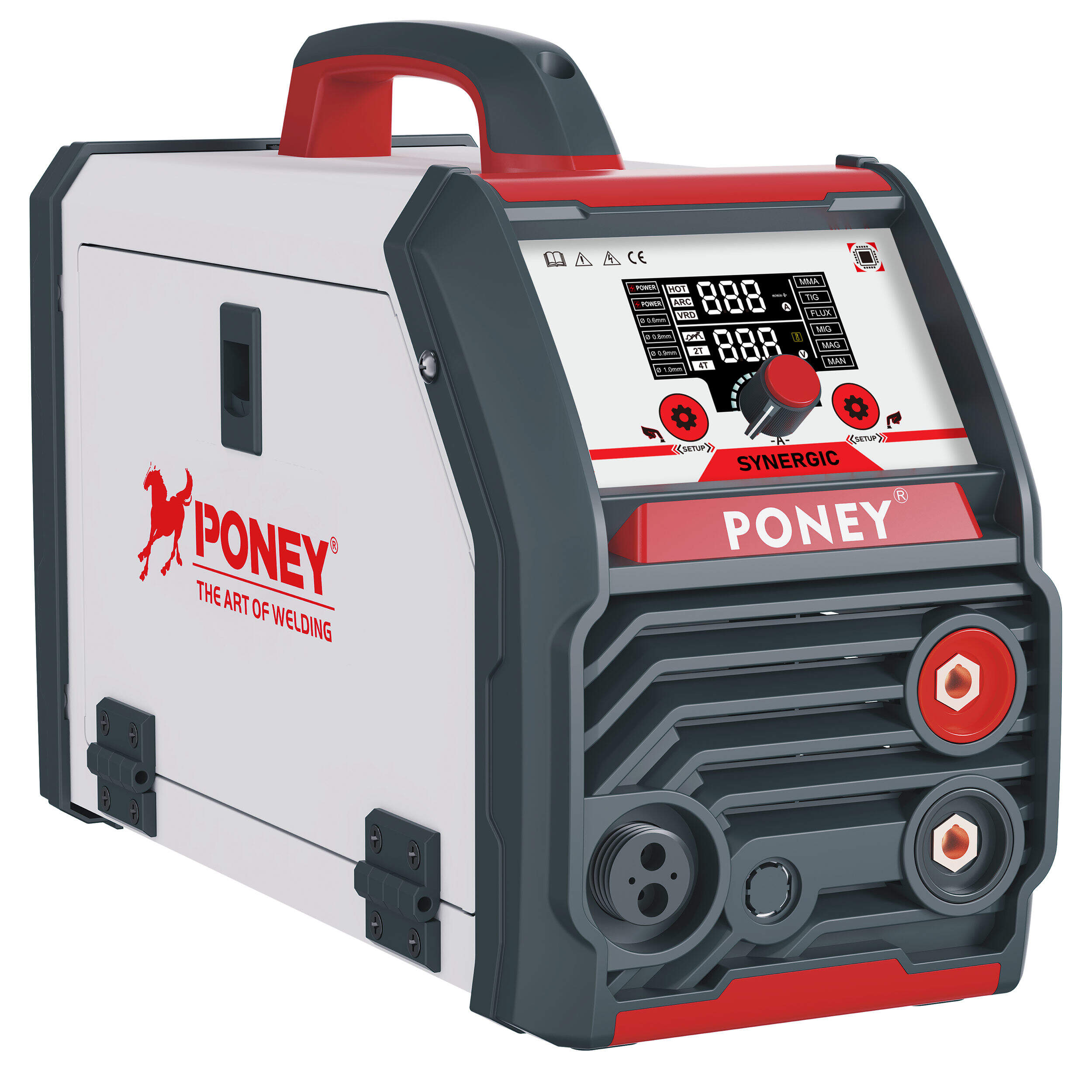
Premium Welding Machine Manufacturer - Advanced Equipment Solutions & Expert Support

Get a Free Quote

Our representative will contact you soon.
Email
Mobile/Whatsapp
Name
Company Name
Message
0/1000

welding machine manufacturer

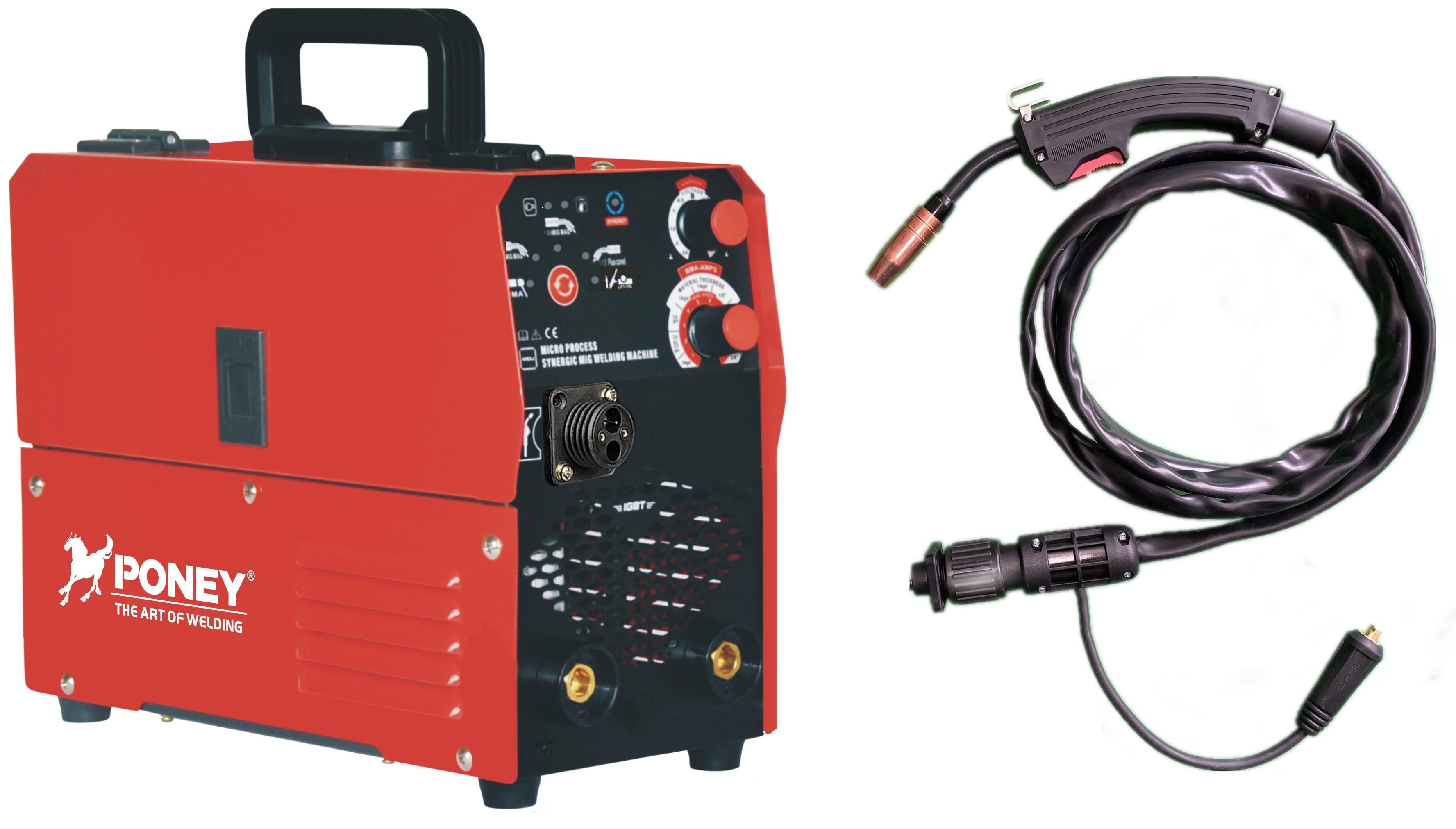
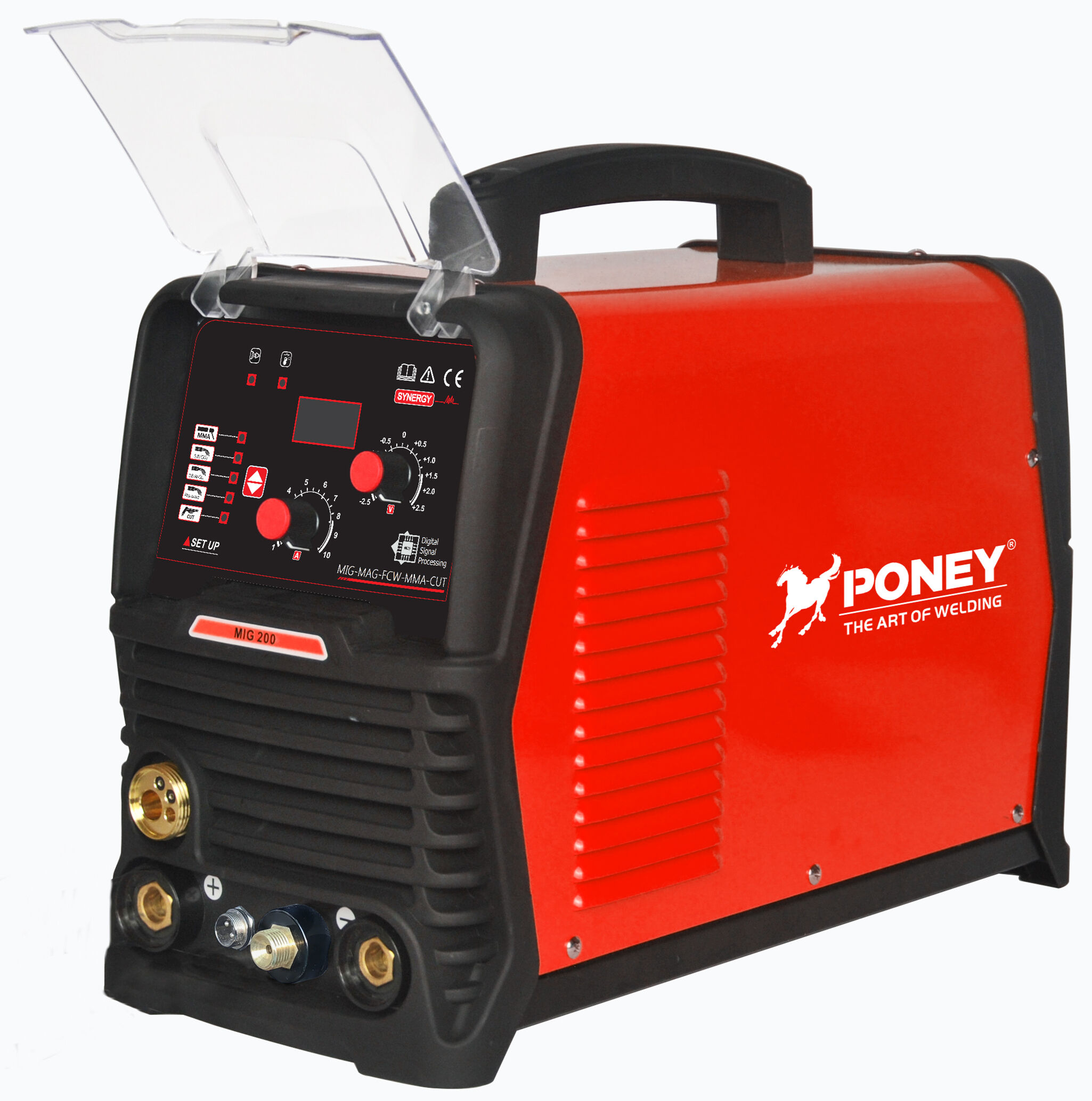
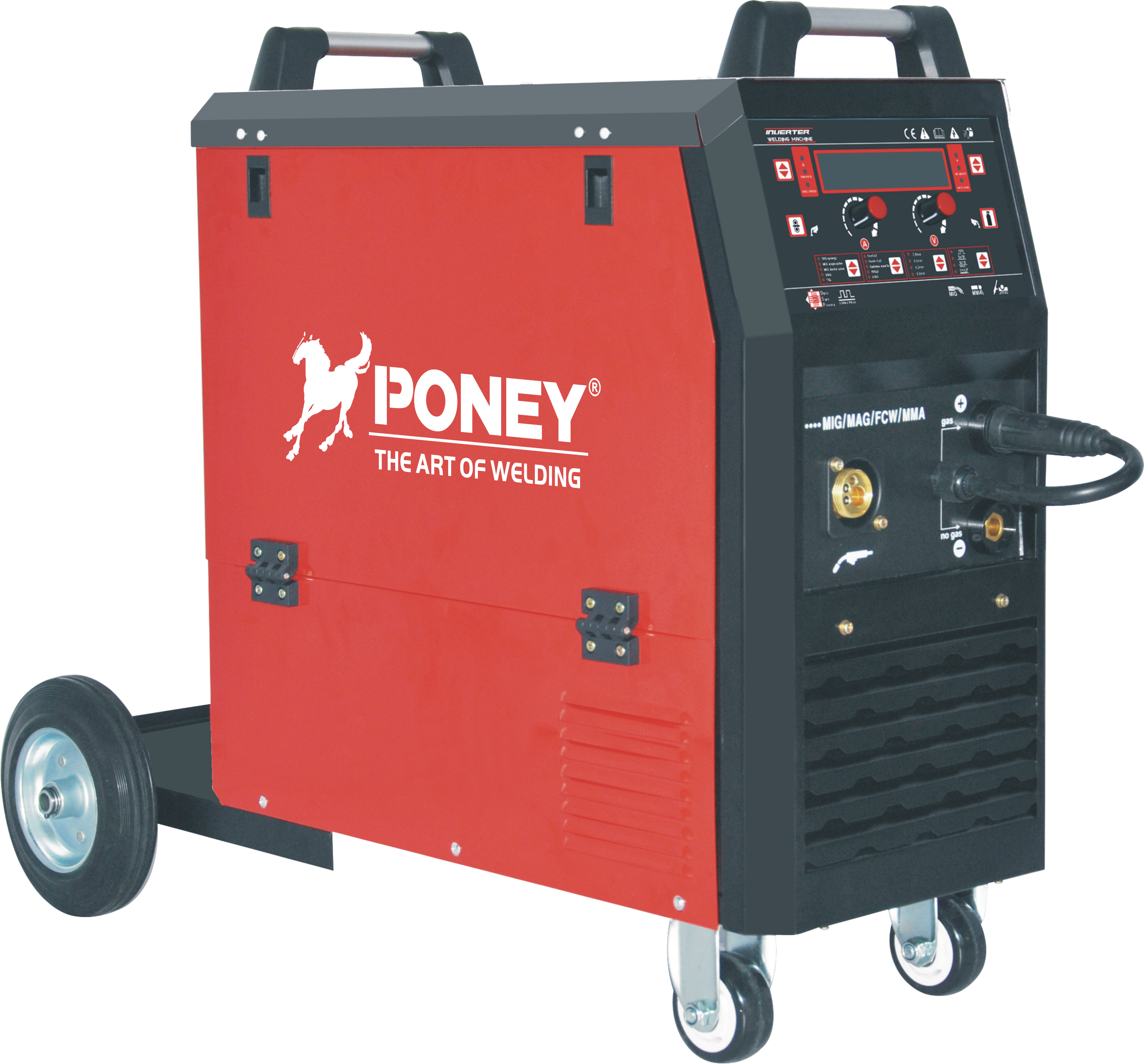
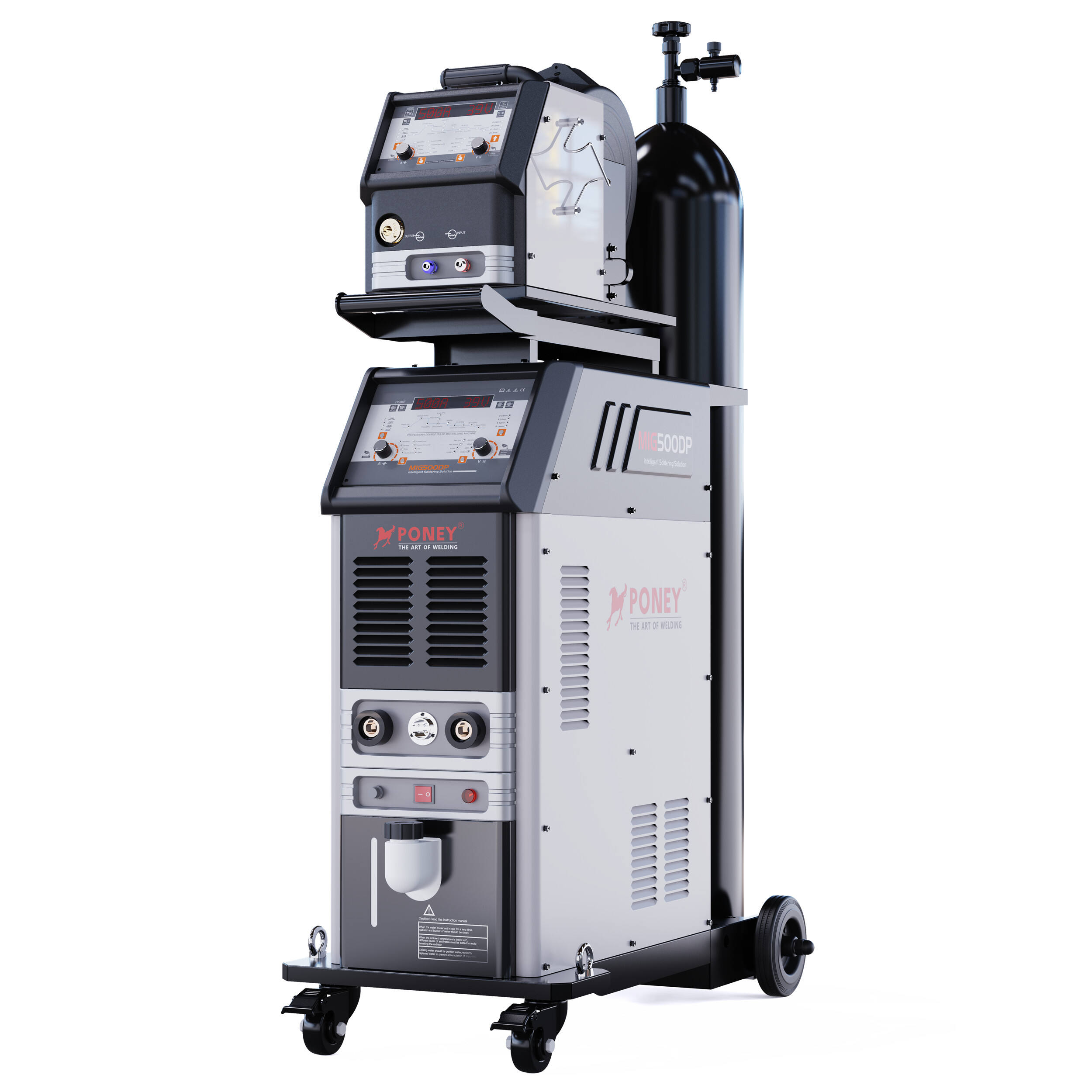
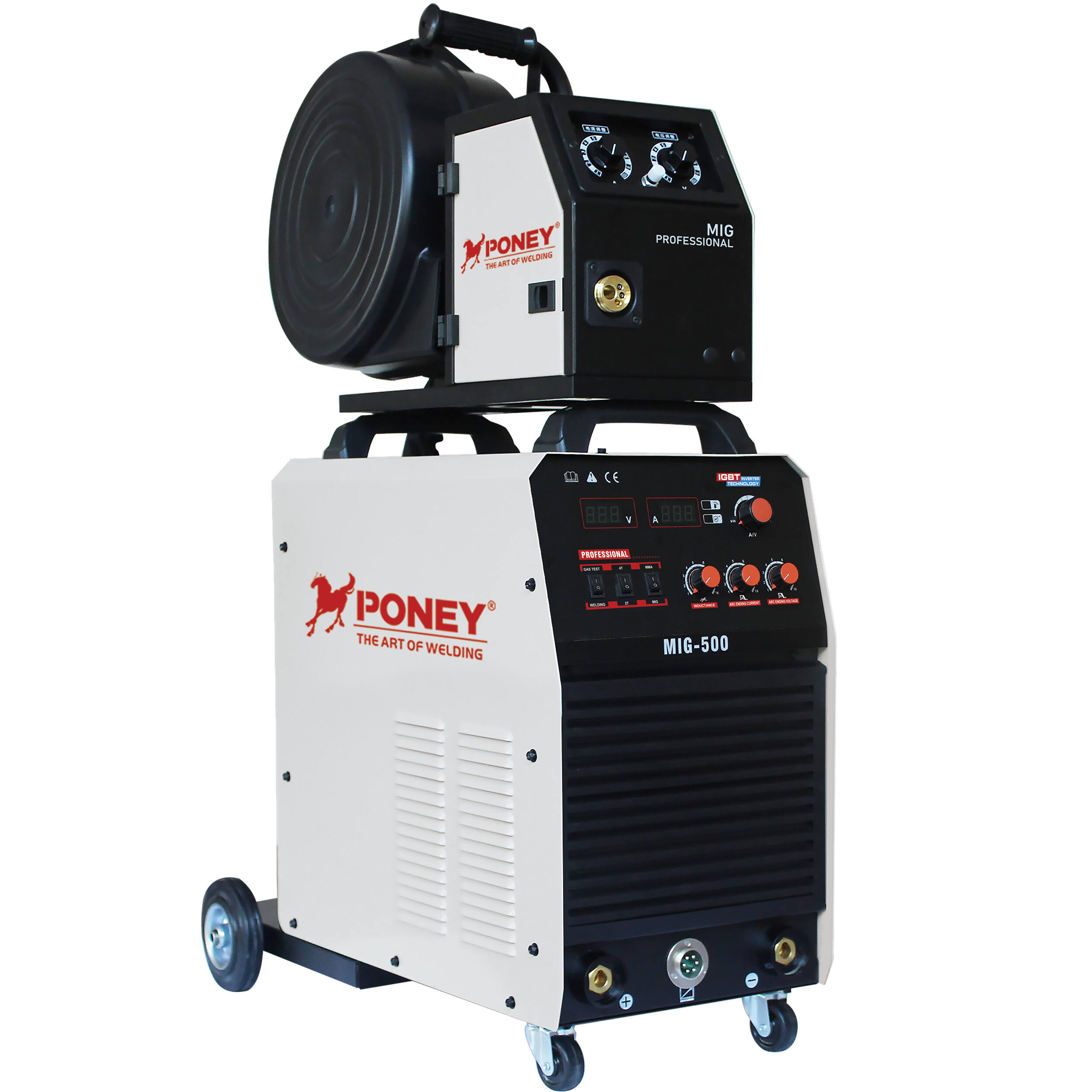
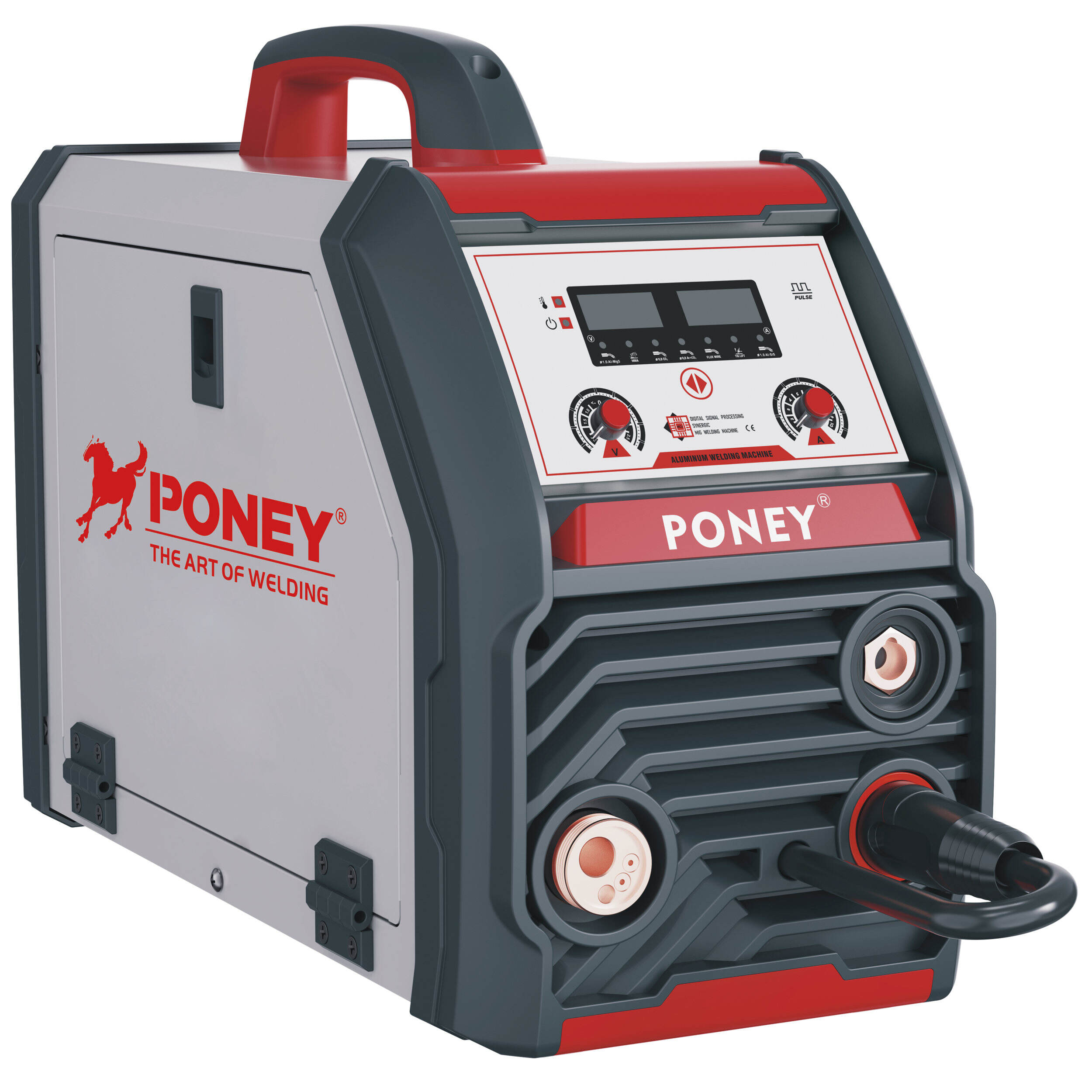
A welding machine manufacturer represents a cornerstone of modern industrial production, serving as a specialized company dedicated to designing, developing, and producing advanced welding equipment for diverse market sectors. These manufacturers create sophisticated machinery that enables the joining of metals and thermoplastics through various welding processes, including arc welding, MIG welding, TIG welding, spot welding, and plasma cutting systems. The primary function of a welding machine manufacturer involves engineering robust, reliable equipment that delivers consistent performance across multiple industrial applications. Their technological expertise encompasses power supply systems, control interfaces, cooling mechanisms, and safety features that ensure optimal welding results while maintaining operator protection. Modern welding machine manufacturers integrate cutting-edge technologies such as digital controls, inverter technology, and smart monitoring systems that enhance precision and efficiency. These companies typically offer comprehensive product lines ranging from portable units for field work to heavy-duty industrial systems capable of handling large-scale manufacturing operations. The manufacturing process involves rigorous quality control measures, extensive testing protocols, and compliance with international safety standards to guarantee equipment reliability and longevity. Applications for products from a welding machine manufacturer span numerous industries including automotive, aerospace, construction, shipbuilding, pipeline installation, and general fabrication. These manufacturers often provide customization services to meet specific client requirements, ensuring that each welding solution aligns perfectly with intended applications. Additionally, they offer technical support, training programs, and maintenance services to maximize equipment performance and extend operational lifespan. The continuous innovation pursued by welding machine manufacturers drives advancements in welding technology, resulting in more efficient, environmentally friendly, and cost-effective solutions that meet evolving industry demands and regulatory requirements.

New Product Recommendations

The advantages of partnering with an established welding machine manufacturer extend far beyond simple equipment acquisition, providing customers with comprehensive benefits that directly impact productivity and profitability. First and foremost, these manufacturers offer superior product quality through extensive research and development investments, ensuring that every welding system meets stringent performance standards and delivers consistent results across diverse applications. Customers benefit from advanced engineering that incorporates the latest technological innovations, resulting in equipment that operates more efficiently, consumes less energy, and produces higher quality welds compared to generic alternatives. The technical expertise possessed by a reputable welding machine manufacturer translates into better customer support, including detailed training programs that help operators maximize equipment capabilities while maintaining safety protocols. This educational component reduces learning curves, minimizes operational errors, and enhances overall workplace safety. Cost-effectiveness represents another significant advantage, as manufacturers design equipment with longevity in mind, reducing replacement frequency and maintenance costs over time. Their comprehensive warranty programs and readily available spare parts ensure minimal downtime and quick resolution of any technical issues. Customization capabilities allow welding machine manufacturers to tailor solutions to specific industry requirements, eliminating the need for costly modifications or workarounds that often arise with standard equipment. These manufacturers also provide valuable technical consultation services, helping customers select optimal equipment configurations based on their unique operational parameters and production goals. The reliability factor cannot be overstated, as established manufacturers have proven track records of producing dependable equipment that performs consistently under demanding conditions. This reliability translates into predictable production schedules, reduced emergency repairs, and enhanced customer satisfaction. Furthermore, ongoing support relationships with welding machine manufacturers provide access to future upgrades, technology updates, and continuous improvement opportunities that keep equipment current with evolving industry standards and market demands.

Practical Tips

PONEY Upholds Tradition of Excellence

26

Jan

PONEY Upholds Tradition of Excellence

View More
PONEY Welcomes Core Procurement Delegation from Georgia, Signing Cooperation to Open a New Chapter

26

Jan

PONEY Welcomes Core Procurement Delegation from Georgia, Signing Cooperation to Open a New Chapter

View More
Ingenuity Forges a New Chapter! PONEY's New Product Launch Conference Concludes Successfully, with Two Flagship Welding Machines Stealing the Show

26

Jan

Ingenuity Forges a New Chapter! PONEY's New Product Launch Conference Concludes Successfully, with Two Flagship Welding Machines Stealing the Show

View More

Get a Free Quote

Our representative will contact you soon.
Email
Mobile/Whatsapp
Name
Company Name
Message
0/1000

welding machine manufacturer

Advanced Inverter Technology Integration

Advanced Inverter Technology Integration

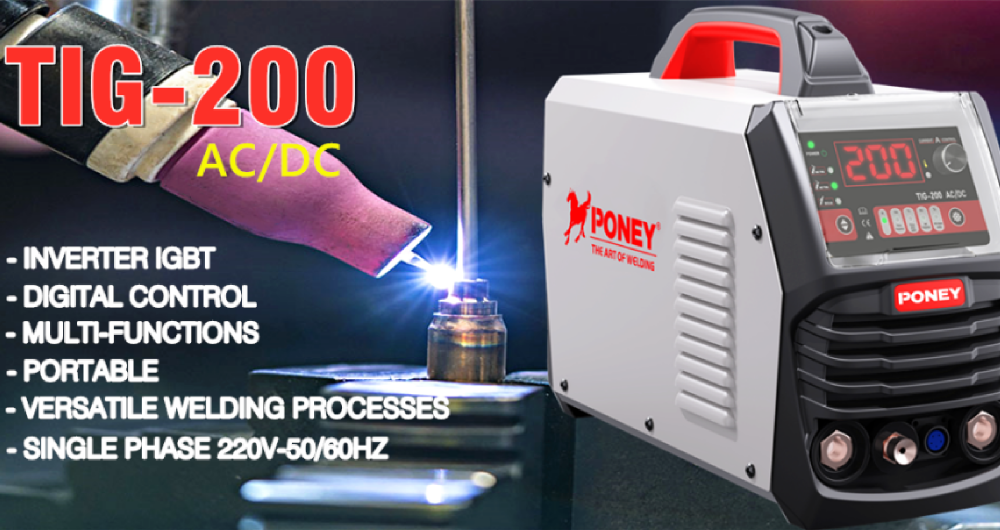
Modern welding machine manufacturers have revolutionized the industry through sophisticated inverter technology integration that transforms traditional welding processes into highly efficient, precise operations. This technological advancement represents a paradigm shift from conventional transformer-based systems to lightweight, energy-efficient solutions that deliver superior performance across multiple welding applications. Inverter technology enables welding machine manufacturers to create compact units that maintain exceptional power output while significantly reducing energy consumption, often achieving efficiency ratings exceeding ninety percent compared to older technologies that typically operate at sixty to seventy percent efficiency. The precision control capabilities inherent in inverter systems allow operators to fine-tune welding parameters with unprecedented accuracy, resulting in consistently high-quality welds that meet the most demanding specifications. This level of control extends to various welding processes, including stick welding, MIG welding, and TIG welding, providing versatility that eliminates the need for multiple specialized machines. The fast response times characteristic of inverter technology enable rapid parameter adjustments during welding operations, ensuring optimal arc stability and reducing the likelihood of defects that can compromise weld integrity. Additionally, the reduced weight and compact size of inverter-based systems enhance portability, making them ideal for field applications where mobility and space constraints are significant considerations. Welding machine manufacturers leverage this technology to incorporate advanced features such as hot start, arc force control, and anti-stick functions that simplify operation for users of all skill levels. The digital interfaces enabled by inverter technology provide real-time monitoring capabilities, allowing operators to track welding parameters, energy consumption, and equipment performance metrics. This data-driven approach facilitates predictive maintenance scheduling, optimizes operational efficiency, and extends equipment lifespan through informed usage patterns.
Comprehensive Quality Assurance Systems

Comprehensive Quality Assurance Systems

Leading welding machine manufacturers distinguish themselves through implementation of comprehensive quality assurance systems that encompass every aspect of product development, manufacturing, and post-sale support. These rigorous quality control measures begin during the design phase, where advanced computer modeling and simulation technologies validate equipment performance before physical prototypes are created. Each component undergoes thorough testing protocols that evaluate durability, performance characteristics, and compatibility with other system elements to ensure seamless integration and reliable operation. The manufacturing processes employed by reputable welding machine manufacturers incorporate multiple inspection checkpoints where trained quality control specialists verify that each unit meets predetermined specifications and performance standards. These inspections include electrical testing, mechanical stress evaluations, and functional performance assessments that simulate real-world operating conditions. Environmental testing chambers subject equipment to extreme temperature variations, humidity levels, and vibration patterns to validate performance consistency across diverse operational environments. Certified testing laboratories conduct independent evaluations to verify compliance with international safety standards, electromagnetic compatibility requirements, and environmental regulations. The traceability systems maintained by professional welding machine manufacturers enable complete documentation of component sources, assembly procedures, and testing results for every unit produced. This comprehensive documentation facilitates rapid identification and resolution of any quality issues while supporting warranty claims and regulatory compliance requirements. Post-production quality assurance extends to packaging, shipping, and installation procedures that ensure equipment arrives in optimal condition and performs as expected from initial startup. Continuous improvement programs analyze customer feedback, field performance data, and industry trends to identify opportunities for enhancement and implement design modifications that address emerging market needs. These quality assurance systems provide customers with confidence in their equipment investments while minimizing the risk of unexpected failures or performance deficiencies that could disrupt production schedules.
Integrated Smart Monitoring Capabilities

Integrated Smart Monitoring Capabilities

Contemporary welding machine manufacturers have embraced digital transformation by incorporating integrated smart monitoring capabilities that revolutionize equipment operation, maintenance, and performance optimization. These sophisticated monitoring systems utilize advanced sensors, data analytics, and connectivity technologies to provide real-time insights into welding operations, equipment health, and productivity metrics. Smart monitoring begins with comprehensive data collection from multiple sensors that track critical parameters including current levels, voltage fluctuations, temperature variations, duty cycles, and consumable usage rates. This continuous monitoring enables early detection of potential issues before they escalate into costly equipment failures or production disruptions. The intelligent algorithms employed by welding machine manufacturers analyze historical performance data to identify patterns, predict maintenance requirements, and optimize welding parameters for specific applications. Operators benefit from intuitive digital interfaces that display real-time performance metrics, alert notifications, and diagnostic information in easily understandable formats. Remote connectivity features allow welding machine manufacturers to provide proactive technical support by monitoring equipment performance from distant locations and identifying potential issues before customers experience problems. This capability extends to software updates, parameter adjustments, and troubleshooting assistance that can be performed remotely, minimizing downtime and reducing service costs. The data collected through smart monitoring systems enables welding machine manufacturers to continuously improve their products by analyzing real-world usage patterns, identifying common failure modes, and developing enhanced designs that address specific customer needs. Predictive maintenance capabilities help customers optimize their maintenance schedules by providing advance notice of component replacement requirements, reducing unexpected failures, and extending equipment lifespan. Integration with enterprise resource planning systems allows seamless data sharing between welding operations and broader manufacturing management systems, facilitating better production planning, cost tracking, and quality control initiatives. These smart monitoring capabilities represent a significant competitive advantage for customers who can leverage data-driven insights to improve their welding operations, reduce costs, and enhance product quality.

Get a Free Quote

Our representative will contact you soon.
Email
Mobile/Whatsapp
Name
Company Name
Message
0/1000