EN
EN

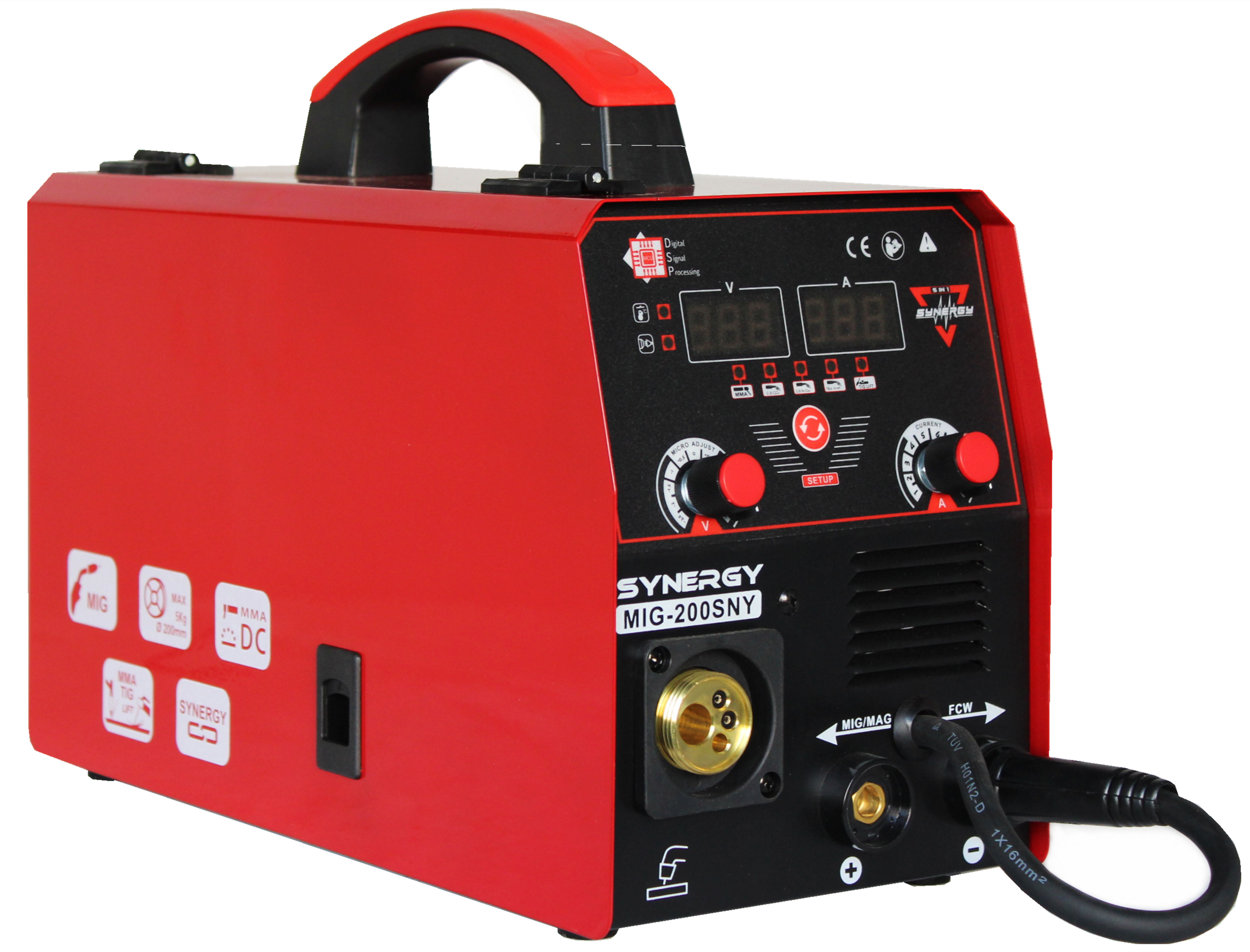
Under continuous industrial workloads, a mig welder experiences significant performance changes that directly impact production efficiency, weld quality, and operational reliability. These performance variations stem from thermal stress, duty cycle limitations, component degradation, and power delivery stability challenges that accumulate during extended operation periods. Understanding how your mig welder responds to sustained industrial demands is crucial for maintaining consistent output quality and preventing costly downtime in high-volume manufacturing environments.
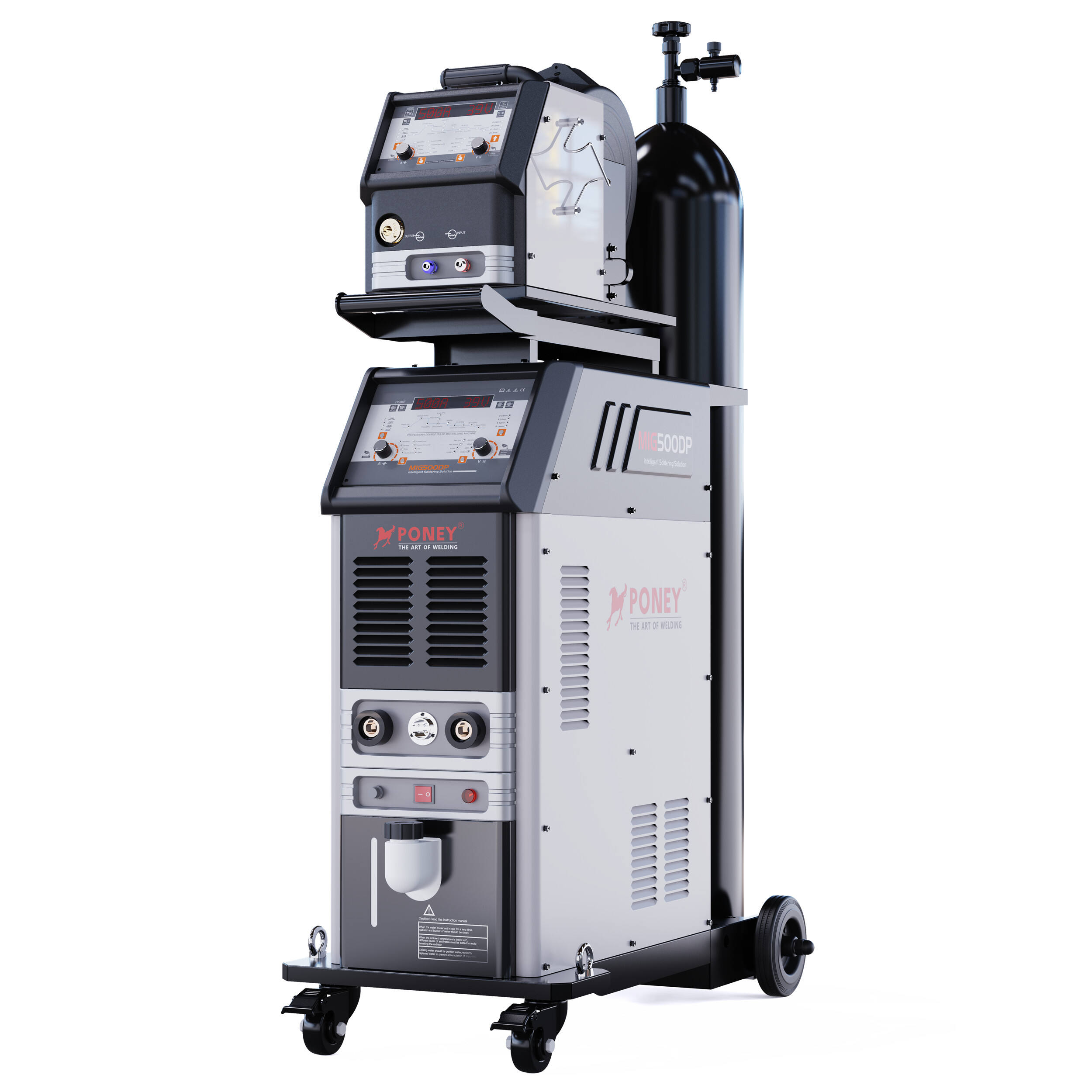
Industrial welding operations typically subject equipment to workload patterns that far exceed typical intermittent use scenarios. A mig welder operating under continuous industrial conditions must manage heat buildup, maintain stable arc characteristics, and deliver consistent wire feed performance across extended time periods. These demanding conditions reveal the true operational capabilities of welding equipment and expose performance limitations that may not be apparent during standard testing or occasional use applications.
Thermal Performance Changes During Extended Operation
Heat Accumulation Effects on Arc Stability
During continuous industrial operation, a mig welder accumulates heat in critical components including transformers, rectifiers, and wire feed mechanisms. This thermal buildup directly affects arc stability as internal temperatures rise beyond optimal operating ranges. The arc characteristics become less predictable, with increased spatter generation and reduced penetration consistency as the mig welder struggles to maintain stable electrical output under elevated internal temperatures.
Heat-induced voltage fluctuations create variations in arc length and wire burn-off rates, resulting in inconsistent bead profiles and potential weld defects. Advanced industrial mig welder systems incorporate thermal monitoring and compensation circuits to counteract these effects, but even sophisticated equipment experiences measurable performance degradation when operating at elevated temperatures for extended periods. The severity of these changes depends on ambient conditions, workpiece thermal mass, and the mig welder's thermal management capabilities.
Cooling System Performance Under Load
The cooling system performance of a mig welder becomes critical during continuous industrial workloads, as inadequate heat dissipation leads to cascading performance issues. Air-cooled systems may struggle to maintain optimal operating temperatures in demanding industrial environments, while water-cooled configurations provide more consistent thermal management but require additional maintenance considerations. The effectiveness of the cooling system directly correlates with the mig welder's ability to maintain performance specifications during extended operation cycles.
Industrial applications often require mig welder systems with enhanced cooling capabilities to handle continuous duty requirements. Insufficient cooling capacity results in thermal shutdowns, reduced output power, and decreased duty cycle performance that directly impacts production schedules. Monitoring coolant temperatures and flow rates becomes essential for maintaining optimal mig welder performance during sustained industrial operations.
Duty Cycle Impact on Industrial Performance
Understanding Real-World Duty Cycle Requirements
Industrial welding operations frequently demand duty cycles that exceed standard mig welder specifications, creating performance challenges that affect both immediate output quality and long-term equipment reliability. A mig welder rated for 60% duty cycle at maximum output may experience significant performance degradation when operated at 80% or higher duty cycles typical of production environments. These extended operating periods push thermal and electrical systems beyond their design comfort zones.
The relationship between duty cycle and mig welder performance is nonlinear, with performance degradation accelerating as duty cycles exceed manufacturer recommendations. Heat buildup becomes exponential rather than linear, affecting not just electrical performance but also mechanical components such as wire feed drives and contact tip alignment. Understanding these limitations allows operators to implement appropriate work scheduling and equipment rotation strategies to maintain consistent performance levels.
Performance Degradation Patterns
As industrial workloads push a mig welder beyond recommended duty cycles, specific performance degradation patterns emerge that can be predicted and managed. Wire feed consistency typically degrades first, with increased variation in feed rates leading to irregular bead appearance and potential burn-through issues. Arc voltage stability follows, creating challenges in maintaining consistent penetration and fusion characteristics across extended weld sequences.
Power output stability represents the final stage of duty cycle-related performance degradation in a mig welder system. As internal components reach thermal saturation points, the ability to maintain rated amperage output diminishes, requiring adjustments to welding parameters that may compromise weld quality specifications. These degradation patterns follow predictable timelines based on operating conditions, allowing experienced operators to anticipate and compensate for performance changes during continuous industrial operations.
Wire Feed System Performance Under Continuous Load
Mechanical Wear Acceleration
Continuous industrial operation accelerates wear patterns in mig welder wire feed systems, with drive roll wear, liner degradation, and contact tip erosion occurring at rates significantly higher than intermittent use scenarios. The constant friction and electrical loading create cumulative stress on mechanical components that affects feed consistency and arc stability. Drive roll groove wear changes the wire grip characteristics, leading to slippage and irregular feed rates that compromise weld quality.
Contact tip wear becomes particularly problematic during continuous operation as electrical erosion combines with mechanical abrasion to enlarge the tip opening beyond optimal specifications. This enlargement affects arc directionality and increases the likelihood of wire stubbing, creating production interruptions and quality inconsistencies. A mig welder operating under continuous industrial loads requires more frequent contact tip replacement and drive system maintenance to maintain performance standards.
Feed Rate Stability Changes
The wire feed rate stability of a mig welder degrades progressively during continuous industrial operation due to thermal expansion of drive components, liner friction increases, and electronic control system drift. These factors combine to create feed rate variations that may not be immediately apparent but significantly impact weld consistency and quality. Electronic feedback systems may struggle to maintain precise control as operating temperatures exceed design specifications.
Temperature-induced expansion in wire feed components creates binding and friction issues that manifest as irregular wire feed patterns. The precision required for consistent mig welder performance becomes difficult to maintain as thermal effects compound throughout extended operating periods. Advanced systems incorporate temperature compensation algorithms, but these solutions have limitations when operating conditions exceed normal industrial parameters for sustained periods.
Power Supply Stability During Extended Operations
Voltage Regulation Under Thermal Stress
The voltage regulation capabilities of a mig welder power supply face significant challenges during continuous industrial operations as thermal stress affects electronic components and transformer performance. Voltage output stability directly influences arc characteristics, with variations creating inconsistent penetration patterns and weld quality issues. Industrial-grade power supplies incorporate enhanced regulation circuits, but even these systems experience measurable drift under sustained high-duty-cycle operation.
Capacitor aging accelerates under continuous thermal stress, affecting the power supply's ability to maintain stable DC output voltage. This degradation creates ripple in the welding current that manifests as arc instability and increased spatter generation. A mig welder experiencing voltage regulation issues during continuous operation requires careful monitoring of electrical parameters to maintain acceptable weld quality standards and prevent process disruptions.
Current Output Consistency
Current output consistency represents a critical performance parameter for mig welder systems operating under continuous industrial workloads. As internal temperatures rise and components approach thermal limits, the ability to maintain precise current control diminishes, affecting penetration depth and fusion characteristics. This degradation pattern typically follows predictable curves based on operating time and ambient conditions.
Electronic current control systems in modern mig welder designs incorporate feedback loops to maintain output stability, but these systems have limitations when operating under extreme thermal stress. The precision required for consistent industrial welding applications becomes difficult to achieve as electronic components drift outside their optimal operating ranges. Understanding these limitations allows operators to implement appropriate cooling periods and parameter adjustments to maintain production quality standards.
Quality Control Implications
Weld Consistency Changes Over Time
Weld consistency represents the most visible manifestation of mig welder performance changes during continuous industrial operations. As thermal, mechanical, and electrical systems experience stress-related degradation, weld bead appearance, penetration characteristics, and mechanical properties show measurable variations. These changes often occur gradually, making them difficult to detect without systematic monitoring and quality control procedures.
The cumulative effects of thermal stress, wire feed variations, and power supply drift create a complex interaction of factors that influence final weld quality. A mig welder that produces acceptable results at the beginning of a shift may deliver substandard welds after several hours of continuous operation without obvious external indicators of performance degradation. Implementing regular quality checks and parameter verification procedures becomes essential for maintaining production standards.
Defect Rate Patterns
Defect rates in continuous industrial welding operations follow predictable patterns as mig welder performance degrades over extended operating periods. Porosity typically increases first due to arc instability and gas coverage issues, followed by incomplete fusion problems as current output becomes less consistent. These defect patterns provide early warning indicators of equipment performance degradation before complete system failure occurs.
Understanding defect rate progression allows operators to implement preventive maintenance schedules and parameter adjustments that minimize quality issues while maximizing equipment utilization. A well-maintained mig welder with appropriate thermal management can maintain acceptable defect rates even under demanding continuous industrial conditions, while poorly managed equipment shows rapid quality degradation that impacts production efficiency and customer satisfaction.
FAQ
How long can a mig welder operate continuously before performance degrades significantly?
Most industrial mig welder systems can operate continuously for 2-4 hours before experiencing noticeable performance degradation, depending on duty cycle rating, cooling system effectiveness, and ambient conditions. High-end units with water cooling and enhanced thermal management may maintain stable performance for 6-8 hours, while standard air-cooled systems typically require cooling periods after 1-2 hours of maximum output operation.
What are the first signs that a mig welder is experiencing performance degradation during continuous use?
The earliest indicators include increased spatter generation, irregular wire feed patterns, and arc instability that manifests as inconsistent penetration or bead appearance. Operators may also notice increased contact tip consumption, more frequent wire stubbing, or slight changes in the arc sound and characteristics before more serious performance issues develop.
Can continuous industrial use permanently damage a mig welder?
Continuous operation within manufacturer specifications typically does not cause permanent damage to industrial-grade mig welder equipment. However, consistently exceeding duty cycle ratings, operating in excessive ambient temperatures, or inadequate maintenance can accelerate component wear and reduce equipment lifespan. Proper thermal management and regular maintenance are essential for preventing permanent damage during continuous industrial applications.
How does ambient temperature affect mig welder performance during continuous operation?
Ambient temperature significantly impacts continuous mig welder performance, with every 10°F increase in ambient temperature reducing effective duty cycle by approximately 10-15%. High ambient temperatures accelerate thermal buildup, reduce cooling system effectiveness, and increase the likelihood of thermal shutdowns during continuous operation. Proper ventilation and climate control become critical factors in maintaining consistent performance during extended industrial welding operations.
Table of Contents
- Thermal Performance Changes During Extended Operation
- Duty Cycle Impact on Industrial Performance
- Wire Feed System Performance Under Continuous Load
- Power Supply Stability During Extended Operations
- Quality Control Implications
-
FAQ
- How long can a mig welder operate continuously before performance degrades significantly?
- What are the first signs that a mig welder is experiencing performance degradation during continuous use?
- Can continuous industrial use permanently damage a mig welder?
- How does ambient temperature affect mig welder performance during continuous operation?