EN
EN

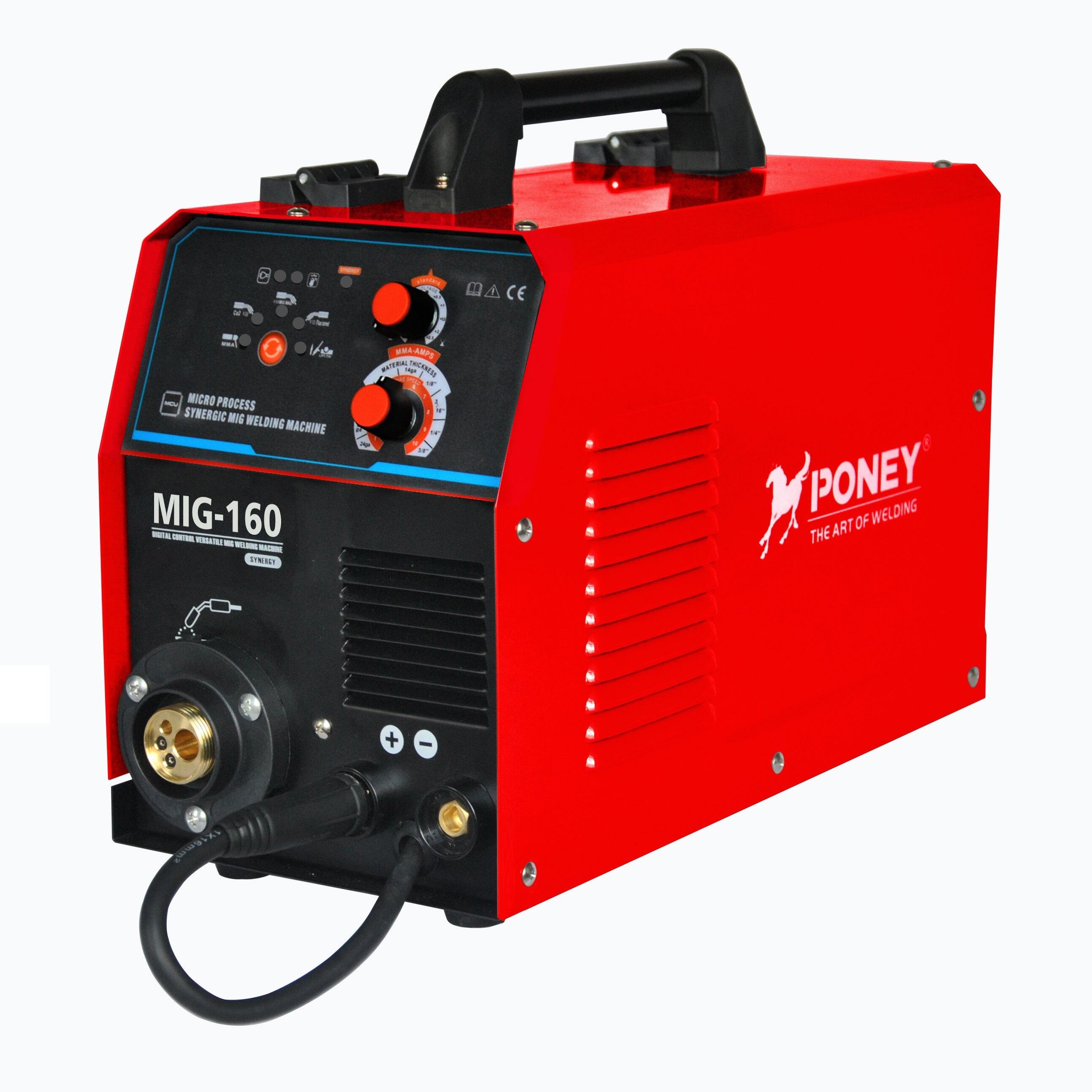
Electric welder efficiency plays a pivotal role in determining the long-term operating costs of welding operations, particularly in industrial environments where equipment runs for extended periods. Understanding how energy consumption, duty cycle performance, and operational characteristics of an electric welder directly translate into financial implications helps businesses make informed investment decisions and optimize their welding processes for maximum cost-effectiveness.
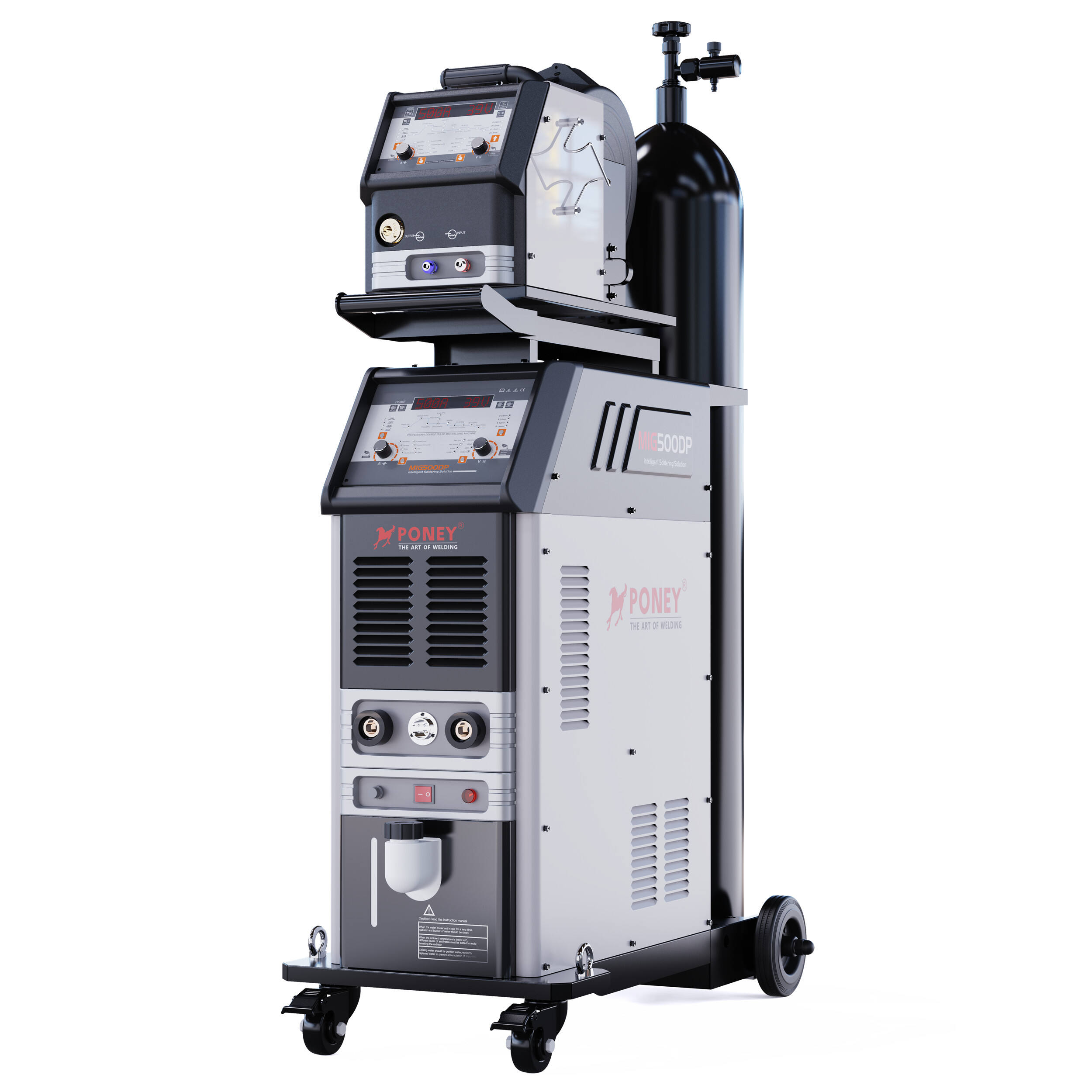
The relationship between electric welder efficiency and operating costs becomes increasingly significant as usage hours accumulate, making efficiency a critical factor for manufacturers, fabricators, and contractors who rely on continuous welding operations. Poor efficiency in an electric welder not only increases electricity bills but also affects productivity, maintenance schedules, and overall operational profitability through reduced output quality and increased downtime.
Energy Consumption Patterns and Cost Implications
Power Draw Efficiency in Modern Electric Welders
The power consumption characteristics of an electric welder significantly influence operating costs through direct electricity usage and thermal losses. High-efficiency electric welder models utilize advanced inverter technology that converts input power more effectively, reducing waste heat generation and lowering overall energy consumption. This efficiency translates directly into reduced kilowatt-hour usage, which becomes substantial cost savings over thousands of operating hours.
Modern electric welder designs incorporate power factor correction and switching frequency optimization to minimize reactive power consumption, ensuring that more of the input electricity contributes to actual welding work rather than being lost as inefficiency. When comparing electric welder options, the power efficiency rating directly correlates with long-term operational expenses, making efficiency specifications crucial evaluation criteria for cost-conscious operations.
Load Factor Management and Energy Optimization
An efficient electric welder maintains consistent power consumption across varying load conditions, preventing energy spikes that increase operational costs during peak welding periods. Variable load handling capabilities allow the welder to adjust power draw based on actual welding requirements, avoiding the inefficiencies associated with constant high-power consumption regardless of welding demands.
Smart load management systems in advanced electric welder units monitor welding parameters in real-time and optimize power delivery accordingly, ensuring that energy consumption matches the specific requirements of each welding task. This dynamic efficiency control reduces unnecessary power consumption during lighter welding operations while maintaining full capacity availability when needed for heavy-duty applications.
Duty Cycle Performance Impact on Operational Economics
Understanding Duty Cycle Efficiency Relationships
The duty cycle rating of an electric welder directly influences operating costs by determining how long the equipment can operate before requiring cooling periods, affecting overall productivity and labor efficiency. Higher duty cycle ratings in an efficient electric welder allow for longer continuous operation periods, reducing idle time and maximizing the productive output per hour of labor cost.
Electric welder models with superior thermal management maintain higher duty cycles while consuming less energy for cooling, creating a compound cost benefit through increased operational time and reduced energy waste. The relationship between duty cycle performance and cost efficiency becomes particularly pronounced in high-volume production environments where welding downtime directly impacts throughput and profitability.
Thermal Management and Cooling System Efficiency
Efficient cooling systems in an electric welder contribute to operating cost reduction by minimizing energy required for thermal management while extending component lifespan through better heat dissipation. Advanced cooling technologies, including liquid cooling systems and optimized airflow designs, reduce the parasitic power consumption associated with thermal control while maintaining consistent welding performance.
The cooling efficiency of an electric welder affects not only direct energy costs but also influences maintenance requirements, component replacement frequency, and overall equipment longevity. Superior thermal management reduces the stress on internal components, leading to lower maintenance costs and extended service intervals, contributing to reduced total cost of ownership over the equipment's operational life.
Productivity Factors and Cost-Per-Weld Analysis
Welding Speed and Quality Consistency
An efficient electric welder delivers consistent arc characteristics and stable welding parameters that directly impact productivity by reducing rework requirements and improving first-pass weld quality. Higher efficiency translates to more stable power delivery, which results in better weld consistency and reduced material waste from defective welds that require repair or replacement.
The relationship between electric welder efficiency and welding speed affects labor costs per completed weld, as more efficient equipment typically enables faster welding speeds without compromising quality. This improved productivity reduces the time required to complete welding projects, lowering labor costs while increasing throughput capacity for the same operational investment.
Material Utilization and Waste Reduction
Efficient electric welder operation contributes to better material utilization through improved heat input control and reduced spatter generation, directly impacting consumable costs over extended use. Better efficiency in power delivery translates to more precise heat control, reducing material waste from burn-through, excessive penetration, or inadequate fusion that requires rework.
The stability provided by an efficient electric welder reduces consumable electrode consumption through better arc control and reduced spatter losses, creating ongoing cost savings that accumulate significantly over extended operational periods. Improved material efficiency also reduces cleanup time and associated labor costs, contributing to overall operational cost reduction.
Maintenance Cost Relationships and Equipment Longevity
Component Stress and Replacement Frequency
The efficiency of an electric welder directly correlates with component stress levels, as more efficient operation generates less waste heat and reduces thermal cycling stress on internal components. Lower operating temperatures and reduced electrical stress extend component lifespan, decreasing maintenance frequency and replacement costs over the equipment's service life.
Efficient electric welder designs incorporate better component protection through improved thermal management and electrical filtering, reducing the likelihood of premature component failure and associated repair costs. The reduced stress environment created by efficient operation contributes to longer intervals between major maintenance events and lower overall maintenance expenditure.
Preventive Maintenance Requirements and Scheduling
An efficient electric welder typically requires less frequent maintenance interventions due to reduced component wear and better operational stability, lowering both direct maintenance costs and production downtime expenses. Efficient operation reduces the accumulation of internal contamination and thermal stress that typically drive maintenance scheduling requirements.
The predictable operation characteristics of an efficient electric welder enable more effective maintenance planning and scheduling, reducing emergency repair costs and unplanned downtime expenses. Better efficiency translates to more consistent operational parameters that make condition-based maintenance more effective and cost-efficient compared to less efficient equipment that experiences greater operational variability.
Long-Term ROI Considerations and Economic Analysis
Total Cost of Ownership Calculations
When evaluating electric welder options for extended use applications, the efficiency rating significantly impacts total cost of ownership through cumulative energy savings, reduced maintenance expenses, and improved productivity over the equipment's operational lifetime. The initial premium for a more efficient electric welder is typically recovered through operational savings within the first few years of heavy use.
Comprehensive cost analysis reveals that electric welder efficiency improvements of even small percentages compound into substantial savings over extended operational periods, particularly in high-duty-cycle applications where the equipment operates multiple shifts daily. The economic benefit of efficiency becomes more pronounced as energy costs increase and operational demands intensify.
Operational Scalability and Future-Proofing
Investing in an efficient electric welder provides operational scalability advantages by enabling increased production capacity without proportional increases in energy infrastructure or cooling requirements. Higher efficiency allows for expanded operations within existing electrical capacity limitations, avoiding costly infrastructure upgrades as production demands grow.
The efficiency characteristics of an electric welder affect long-term operational flexibility by reducing dependence on cooling systems and electrical capacity margins, enabling more adaptable production scheduling and facility utilization. This operational flexibility translates to economic advantages through improved resource utilization and reduced infrastructure investment requirements as business needs evolve.
FAQ
How much can electric welder efficiency impact electricity costs over a year of heavy use?
For heavy industrial use with 8-10 hours daily operation, a 10% efficiency improvement in an electric welder can reduce annual electricity costs by 15-20%, typically saving thousands of dollars per year depending on local energy rates and welding intensity. The savings compound over multiple years and become more significant as energy costs increase.
What efficiency specifications should I prioritize when selecting an electric welder for extended operations?
Focus on power factor rating above 0.95, efficiency rating of 85% or higher, and duty cycle ratings that exceed your operational requirements by at least 20%. These specifications ensure optimal energy utilization and reduced operating costs during extended use periods while maintaining consistent performance.
How does electric welder efficiency affect productivity beyond energy savings?
Efficient electric welder operation provides more stable arc characteristics, reducing rework requirements and improving weld quality consistency. This translates to faster welding speeds, reduced material waste, and lower labor costs per completed weld, creating productivity benefits that often exceed direct energy cost savings.
Can upgrading to a more efficient electric welder justify the investment cost?
For operations with more than 1,500 hours of annual electric welder usage, efficiency upgrades typically provide positive ROI within 2-3 years through combined energy savings, reduced maintenance costs, and improved productivity. The payback period shortens significantly for higher-usage applications and continues providing cost benefits throughout the equipment's operational life.
Table of Contents
- Energy Consumption Patterns and Cost Implications
- Duty Cycle Performance Impact on Operational Economics
- Productivity Factors and Cost-Per-Weld Analysis
- Maintenance Cost Relationships and Equipment Longevity
- Long-Term ROI Considerations and Economic Analysis
-
FAQ
- How much can electric welder efficiency impact electricity costs over a year of heavy use?
- What efficiency specifications should I prioritize when selecting an electric welder for extended operations?
- How does electric welder efficiency affect productivity beyond energy savings?
- Can upgrading to a more efficient electric welder justify the investment cost?