EN
EN

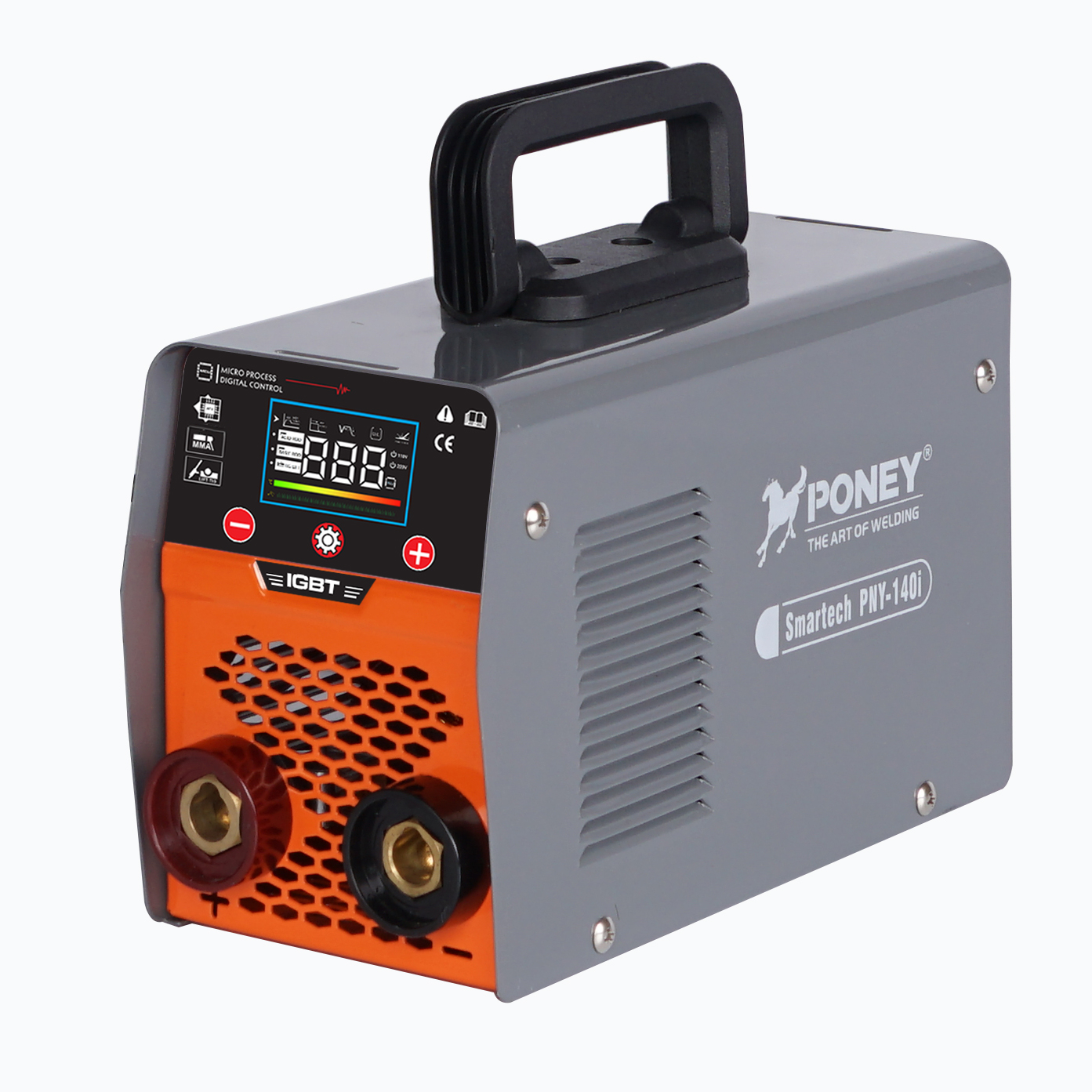
The relationship between a stick welder and structural integrity cannot be overstated in modern fabrication and construction. When you invest in a stick welder for critical structural applications, output stability becomes the defining factor that determines whether your final welds meet code requirements or fail inspection. A stick welder that maintains consistent arc voltage and amperage throughout the welding process directly translates to superior weld penetration, reduced porosity, and joints that withstand real-world stress conditions. Understanding how your stick welder delivers this consistency is essential for anyone working in structural steel, pressure vessel fabrication, or heavy equipment assembly.
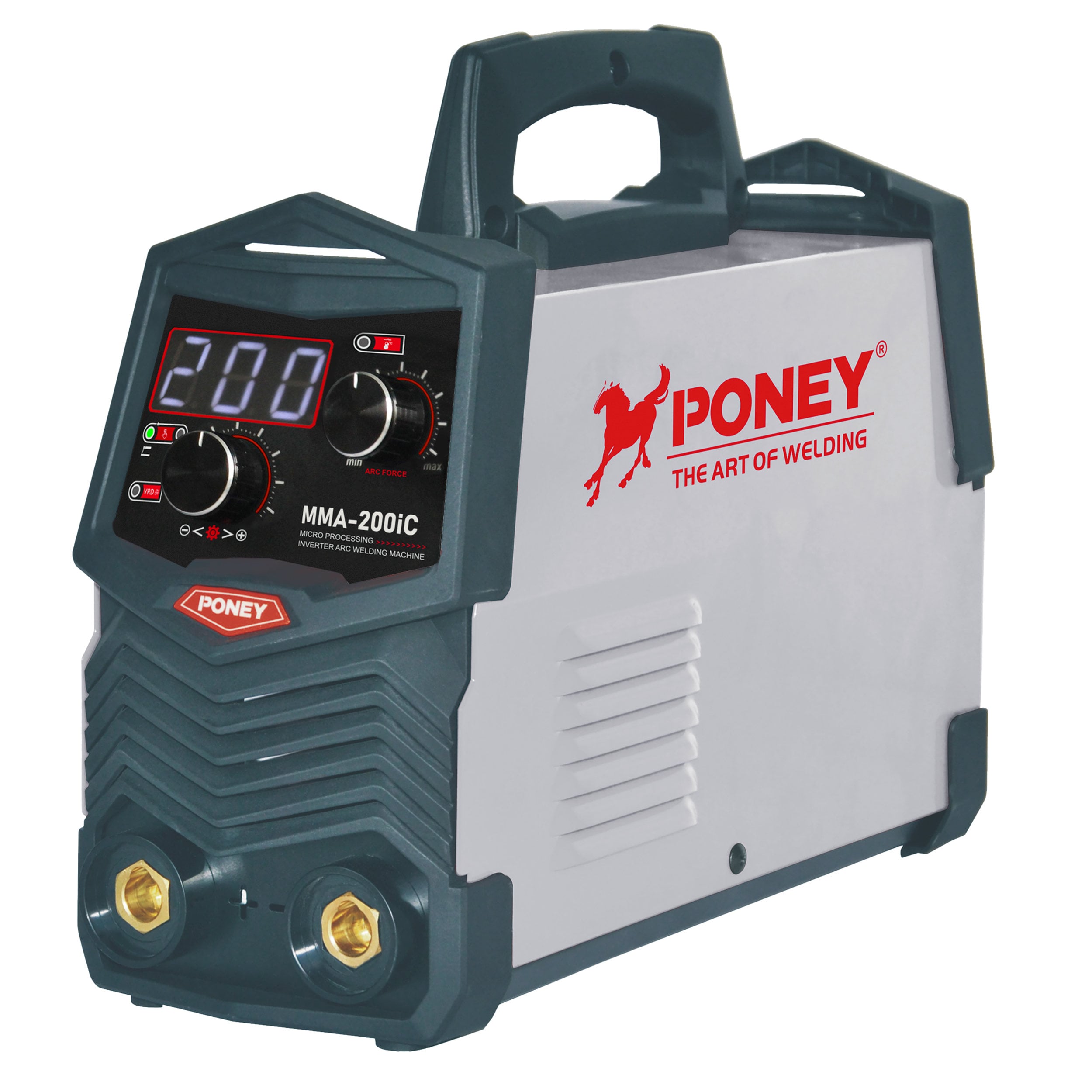
Output stability in a stick welder is not a single specification but rather a comprehensive measure of how the machine responds to changing electrical loads, electrode types, and environmental variables during the welding cycle. When arc characteristics remain stable, the stick welder produces consistent heat input, which controls fusion depth, reduces undercut, and minimizes the likelihood of cold laps or incomplete fusion. Structural engineers and fabrication managers understand that weld defects often originate from unstable arc conditions, making the quality of your stick welder a foundational investment in safety and compliance.
Understanding Output Stability in Stick Welders
Voltage and Amperage Consistency
A stick welder maintains output stability through its internal power electronics and feedback mechanisms that regulate voltage and amperage in real time. During structural welding, the electrode resistance and arc length change constantly as the operator advances the torch, adjusts angle, and consumes the consumable. Advanced stick welder models use digital signal control or inverter technology to sense these variations and automatically adjust power delivery within milliseconds. This responsiveness is what separates a professional-grade stick welder from entry-level equipment. When a stick welder can hold arc voltage within a narrow band, the molten pool behaves predictably, penetration becomes consistent, and the resulting joint achieves the mechanical properties specified in your design.
Arc Stability and Penetration Profile
The arc itself is the conduit through which a stick welder transfers energy to the base metal, and when that arc becomes unstable, penetration becomes erratic. Structural codes like AWS D1.1 demand minimum penetration levels because undercut or shallow fusion directly reduces joint strength. A dependable stick welder maintains arc stability by preventing voltage fluctuations that cause the arc to sputter, restart, or momentarily extinguish. When you select a stick welder specifically designed for structural applications, you gain access to features such as hot start, anti-sticking, and arc force adjustment that keep the arc burning smoothly. This stability allows the stick welder to produce consistent bead geometry, which means repeatable mechanical test results and faster code qualification.
How Output Stability Shapes Structural Weld Quality
Controlling Heat Input and Cooling Rates
Heat input is fundamentally controlled by the stick welder's ability to maintain steady amperage and voltage across the entire joint. High-strength structural steels are particularly sensitive to cooling rate; if a stick welder delivers inconsistent power, the heat affected zone expands unpredictably, potentially creating brittle microstructures that fail under cyclic loading. A stick welder with stable output ensures that preheat requirements remain within specification and post-weld heat treatment protocols deliver the intended metallurgical benefit. This control is especially critical in thick-section welds where the thermal mass is large and cooling naturally slows. When your stick welder holds output constant, you reduce the risk of hydrogen-assisted cracking, lamellar tearing, and other defects that emerge from uncontrolled thermal history.
Reducing Weld Defects and Rework Costs
Unstable output from a poorly maintained or low-quality stick welder introduces defects that force rework, extend project timelines, and inflate labor costs. Porosity, lack of fusion, and slag inclusions all stem from arc instability that leaves voids in the weld structure. Each defect identified by ultrasonic or radiographic inspection means removing the joint, wire-brushing the area, and re-welding—operations that cost far more than the initial weld. A professional stick welder designed for structural integrity minimizes these secondary operations by delivering the clean, penetrating arc you need from the first pass. Over the course of a major structural project, the difference between a stick welder that maintains stable output and one that does not translates directly to measurable cost savings and schedule reliability.
Selection Criteria and Real-World Performance
Inverter Technology and Digital Control
Modern stick welder designs leverage inverter power supplies and digital signal control to achieve output stability that was impossible with older transformer-based machines. An inverter-based stick welder samples the arc voltage thousands of times per second and adjusts the output accordingly, maintaining the exact amperage and voltage profile the application demands. This real-time feedback means that a stick welder can deliver the same weld quality regardless of whether you are welding thin coupons or massive structural sections. Many professional fabricators now specify inverter stick welder equipment as a baseline requirement because the consistency justifies the equipment investment through reduced defects and faster qualification. When evaluating stick welder options, inquire about the control frequency, feedback resolution, and whether the machine includes slope and lift adjustment for fine-tuning arc characteristics to your specific electrode and material combination.
Electrode Selection and Arc Compatibility
The performance of your stick welder is intrinsically linked to the electrode you choose, and different electrode types demand different power delivery characteristics. A low-hydrogen E7018 electrode, commonly used in structural work, requires a stick welder capable of supporting its higher deposition rate and stricter amperage windows. When a stick welder cannot maintain output stability across the recommended amperage range for your electrode, you lose the ability to deposit consistent bead profiles and penetration depth. Leading stick welder manufacturers publish compatibility charts that detail the optimal amperage windows, wire feed rates, and voltage settings for each electrode family. By selecting a stick welder whose output range and stability features align with the electrodes you regularly use, you ensure that every joint you produce meets specification without requiring operator compensation or adjustment.
FAQ
What specific output stability features should I look for in a stick welder for structural applications?
Look for a stick welder with inverter technology, digital signal control, adjustable arc force, hot start capability, and the ability to maintain consistent voltage within ±5 volts across the full operating range. These features allow the stick welder to respond rapidly to changes in arc length and electrode resistance, ensuring that penetration remains repeatable and defects are minimized. Additionally, verify that the stick welder supports the electrode types specified by your structural code and has been successfully used in similar projects by other fabricators.
How does output stability in a stick welder prevent cold laps and lack of fusion defects?
When a stick welder maintains stable voltage and amperage, the arc temperature and molten pool fluidity remain consistent, allowing the fresh metal to properly fuse with the base metal and previous beads. Cold laps occur when the pool cools too quickly or the arc is too weak to melt the parent metal adequately; a stick welder with stable output eliminates these conditions by delivering predictable heat input. This consistency ensures that the weld metal fills the joint profile completely and achieves the mechanical properties required by code.
Can an unstable stick welder still pass code inspection if the final weld appears visually acceptable?
Visual appearance alone does not guarantee code compliance; many defects such as incomplete fusion, porosity, and hydrogen cracking exist beneath the surface and only become apparent through ultrasonic, radiographic, or mechanical testing. A stick welder with unstable output may produce visually smooth beads that nonetheless contain internal defects that fail these critical inspections. This is why structural codes emphasize equipment qualification and process parameters—to ensure that the stick welder's output stability is directly linked to the internal integrity of the finished joint.