EN
EN

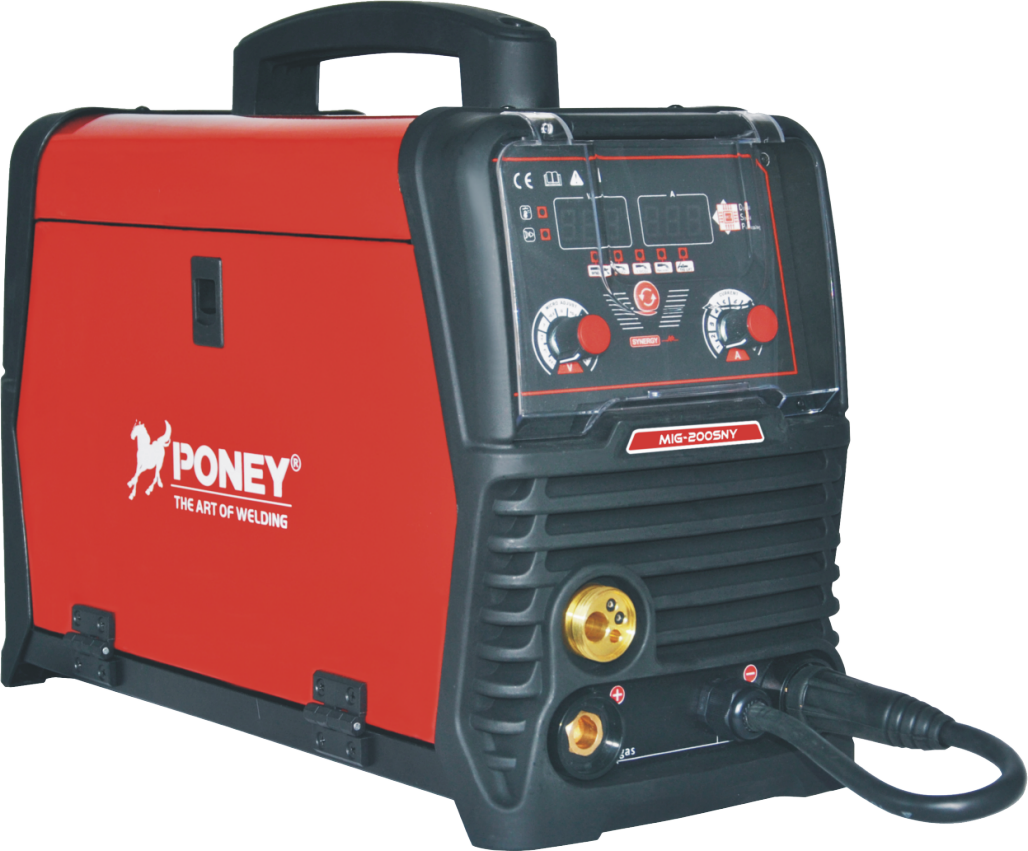
The fundamental differences between gas welder and electric welding systems extend far beyond their power sources, creating distinct skill requirement profiles that every welding professional must understand. These differences stem from the unique operational characteristics, heat control mechanisms, and technical demands that each system presents to the operator.
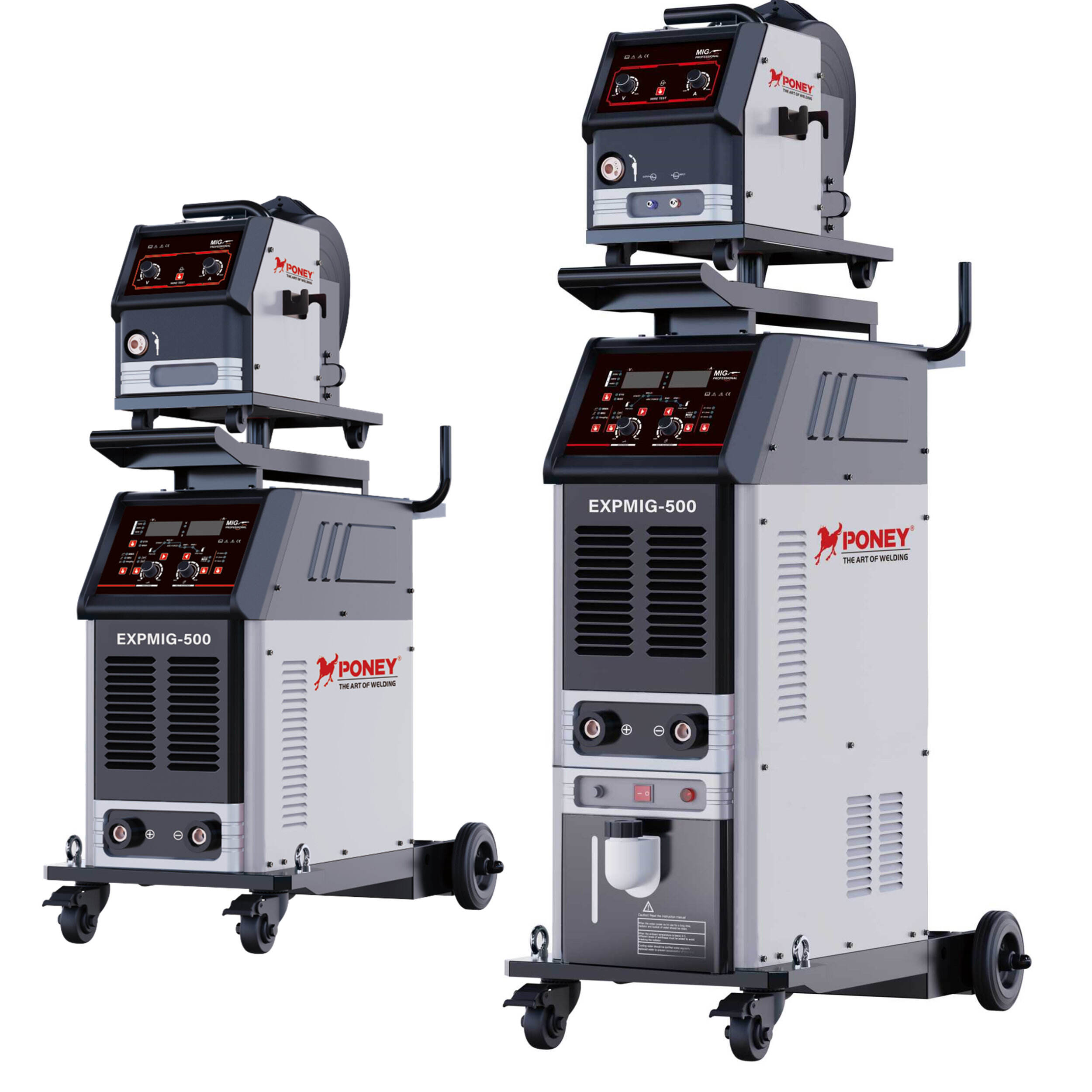
Understanding why these skill requirements diverge is crucial for welding professionals, training program developers, and industrial managers who need to allocate resources effectively. The variance in required competencies affects everything from training duration and certification pathways to operational safety protocols and project planning timelines.
Flame Control and Heat Management Complexities
Manual Flame Adjustment Requirements
A gas welder operator must master the intricate art of flame adjustment, which involves manipulating oxygen and fuel gas ratios to achieve specific flame characteristics. This manual control system requires developing an intuitive understanding of how flame appearance correlates with welding performance, something that takes considerable practice to perfect.
Unlike electric systems where heat output is controlled through amperage settings and wire feed speeds, gas welder systems demand continuous visual assessment and real-time adjustment of the flame during welding operations. Operators must recognize subtle changes in flame color, shape, and intensity to maintain optimal welding conditions.
The development of flame control skills requires extensive hands-on experience because each gas combination and pressure setting creates different heat distribution patterns. This complexity means that gas welder operators typically require longer training periods to achieve proficiency compared to electric welding system operators.
Heat Distribution Pattern Recognition
Gas welder systems create heat distribution patterns that differ significantly from the concentrated arc heat of electric systems. Operators must learn to work with a broader, more gradual heat zone that affects larger areas of the base material, requiring different approach angles and travel speeds.
This broader heat zone characteristic of gas welder operations means that thermal management skills become more critical, as operators must prevent overheating of adjacent areas while maintaining proper penetration in the weld zone. The skill development process involves learning to balance heat input across varying material thicknesses and joint configurations.
The gradual heating nature of gas welder systems also requires operators to develop patience and timing skills that differ from the immediate heat response of electric systems. This temporal aspect of heat management adds another layer of complexity to the required skill set.
Gas Handling and Safety Protocol Mastery
Multi-Gas System Management
Operating a gas welder safely requires comprehensive knowledge of multiple gas systems, including oxygen, acetylene, propane, or other fuel gases. Each gas type presents unique handling requirements, storage protocols, and safety considerations that operators must internalize through specialized training.
The complexity of managing multiple pressurized gas systems simultaneously creates safety responsibilities that electric welding operators do not encounter. Gas welder operators must understand gas compatibility issues, proper hose routing, and emergency shutdown procedures specific to each gas type in their system.
Regular maintenance of gas delivery systems, including regulator calibration, hose inspection, and connection integrity checks, becomes part of the operator's daily responsibilities. This maintenance knowledge requirement adds to the overall skill development timeline for gas welder proficiency.
Leak Detection and Emergency Response
Gas welder operators must develop heightened sensory awareness to detect potential gas leaks through visual, auditory, and olfactory cues. This skill development involves learning to recognize the subtle signs of system compromise that could lead to dangerous situations.
Emergency response procedures for gas welder systems are more complex than those for electric systems because they involve multiple potentially explosive gases under pressure. Operators must master rapid shutdown sequences, evacuation protocols, and fire suppression techniques specific to gas welding environments.
The development of these emergency response skills requires scenario-based training that simulates various failure modes, ensuring that operators can respond instinctively when faced with actual emergency situations during gas welder operations.
Material Interaction and Metallurgical Considerations
Heat-Affected Zone Control
The broader heat-affected zone characteristic of gas welder systems requires operators to understand how extended heating cycles affect material properties in ways that electric welding does not. This understanding influences joint preparation, welding sequence planning, and post-weld treatment decisions.
Gas welder operators must develop skills in managing the slower heating and cooling cycles that characterize flame welding processes. This temporal control affects grain structure development, residual stress patterns, and overall joint integrity in ways that require different analytical approaches.
The interaction between flame chemistry and base material composition creates unique metallurgical considerations that gas welder operators must understand. Different flame adjustments can introduce varying levels of carbon or other elements into the weld zone, affecting final properties.
Filler Material Selection and Handling
Gas welder operations often require manual filler rod feeding, demanding developed hand coordination and timing skills that automated wire feeding systems do not require. Operators must learn to maintain consistent filler metal addition rates while simultaneously controlling torch position and flame characteristics.
The selection of appropriate filler materials for gas welder applications involves understanding how different rod compositions interact with flame chemistry and base material properties. This knowledge requirement extends beyond simple compatibility charts to include practical experience with various material combinations.
Proper filler rod manipulation techniques, including heating angles, dipping patterns, and withdrawal timing, must be developed through extensive practice. These manual skills create a higher learning curve for gas welder operators compared to those working with automated feeding systems.
Operational Technique and Quality Control Differences
Visual Inspection and Real-Time Assessment
Gas welder operators rely more heavily on visual cues for quality control because the flame welding process provides continuous visibility of the molten pool and surrounding heat-affected areas. Developing this visual assessment capability requires training the eye to recognize quality indicators specific to flame welding processes.
The ability to interpret molten pool behavior, including surface tension patterns, color variations, and flow characteristics, becomes more critical in gas welder operations where automatic process control systems are typically not available. This interpretive skill development requires significant practice time.
Real-time quality assessment during gas welder operations involves monitoring multiple variables simultaneously, including flame characteristics, molten pool behavior, and heat distribution patterns. This multi-variable monitoring skill distinguishes gas welding from more automated electric processes.
Positional Welding Complexity
The gravitational effects on molten metal behavior differ significantly between gas welder and electric welding processes, requiring operators to develop position-specific techniques for overhead, vertical, and horizontal welding orientations. The longer molten pool times characteristic of gas welding create different challenges in each position.
Gas welder operators must master torch manipulation techniques that account for the broader heat zone and longer cooling times associated with flame welding. These techniques vary significantly from the concentrated heat management required in electric welding processes.
The development of positional welding skills for gas welder applications typically requires more practice time because the operator must coordinate manual filler addition, flame control, and torch positioning simultaneously across all welding positions.
FAQ
How much longer does it take to become proficient with a gas welder compared to electric systems?
Gas welder proficiency typically requires 30-50% more training time than electric welding systems due to the additional skills needed for flame control, multi-gas system management, and manual coordination. Most operators need 200-300 hours of supervised practice to achieve basic proficiency with gas welding techniques, compared to 150-200 hours for electric systems.
Are the safety certifications different for gas welder operators?
Yes, gas welder operators require additional safety certifications covering compressed gas handling, flame cutting safety, and fire prevention protocols specific to fuel gas operations. These certifications typically include hazardous materials handling components and emergency response training that electric welding certifications do not require.
Can electric welding experience transfer directly to gas welder operations?
While basic welding metallurgy knowledge transfers between systems, the operational techniques, safety protocols, and equipment handling skills for gas welder systems are sufficiently different that direct transfer is limited. Electric welding experience provides a foundation, but significant additional training is required for gas welding proficiency.
What makes gas welder troubleshooting more complex than electric systems?
Gas welder troubleshooting involves diagnosing issues across multiple gas delivery systems, pressure regulation components, and flame characteristics simultaneously. Unlike electric systems where problems often have electrical solutions, gas welder issues may involve mechanical, chemical, and thermal factors that interact in complex ways, requiring broader diagnostic skills.
Table of Contents
- Flame Control and Heat Management Complexities
- Gas Handling and Safety Protocol Mastery
- Material Interaction and Metallurgical Considerations
- Operational Technique and Quality Control Differences
-
FAQ
- How much longer does it take to become proficient with a gas welder compared to electric systems?
- Are the safety certifications different for gas welder operators?
- Can electric welding experience transfer directly to gas welder operations?
- What makes gas welder troubleshooting more complex than electric systems?