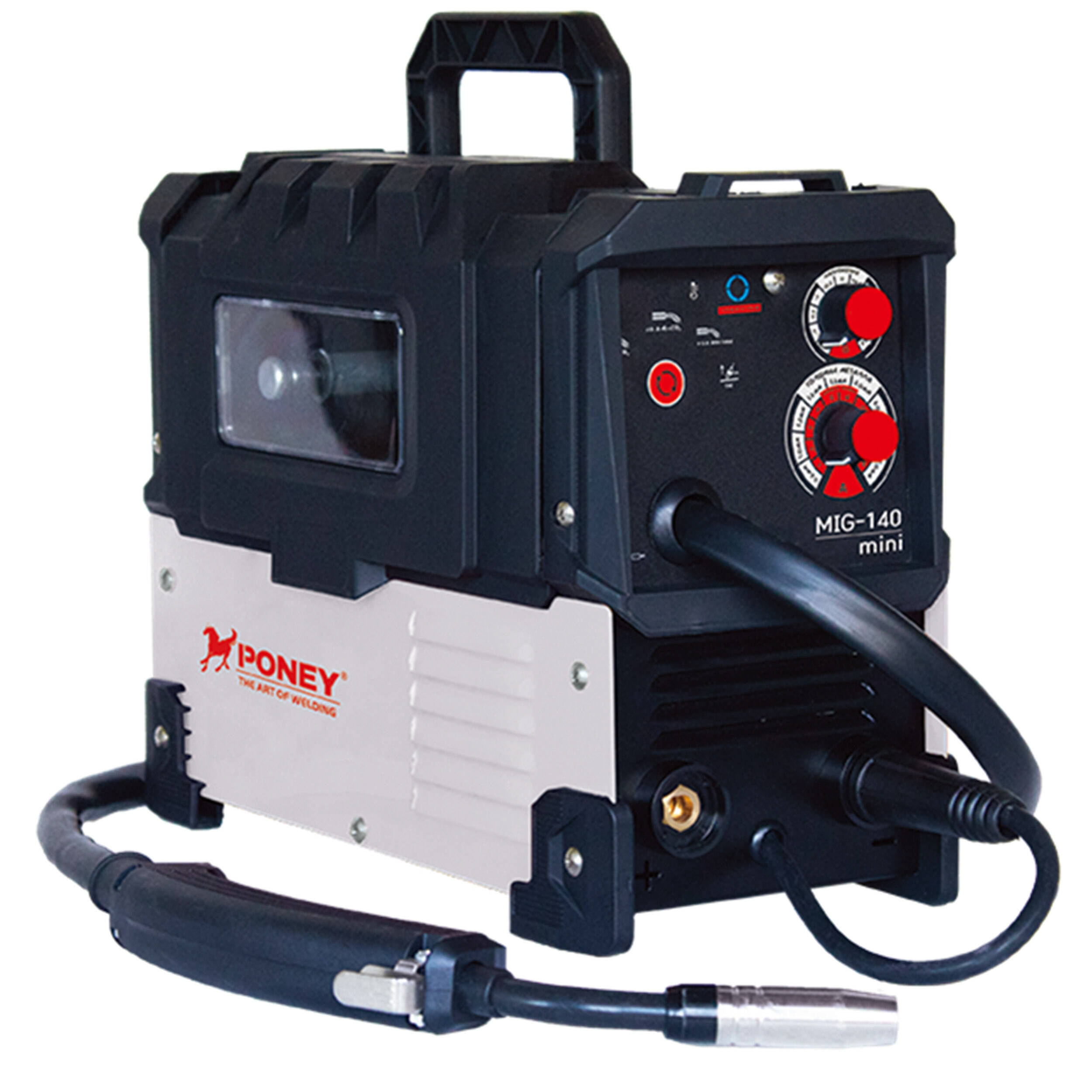
Professional Arc Electric Welder: Advanced Inverter Technology for Versatile Metal Joining Solutions

Get a Free Quote

Our representative will contact you soon.
Email
Mobile/Whatsapp
Name
Company Name
Message
0/1000

arc electric welder

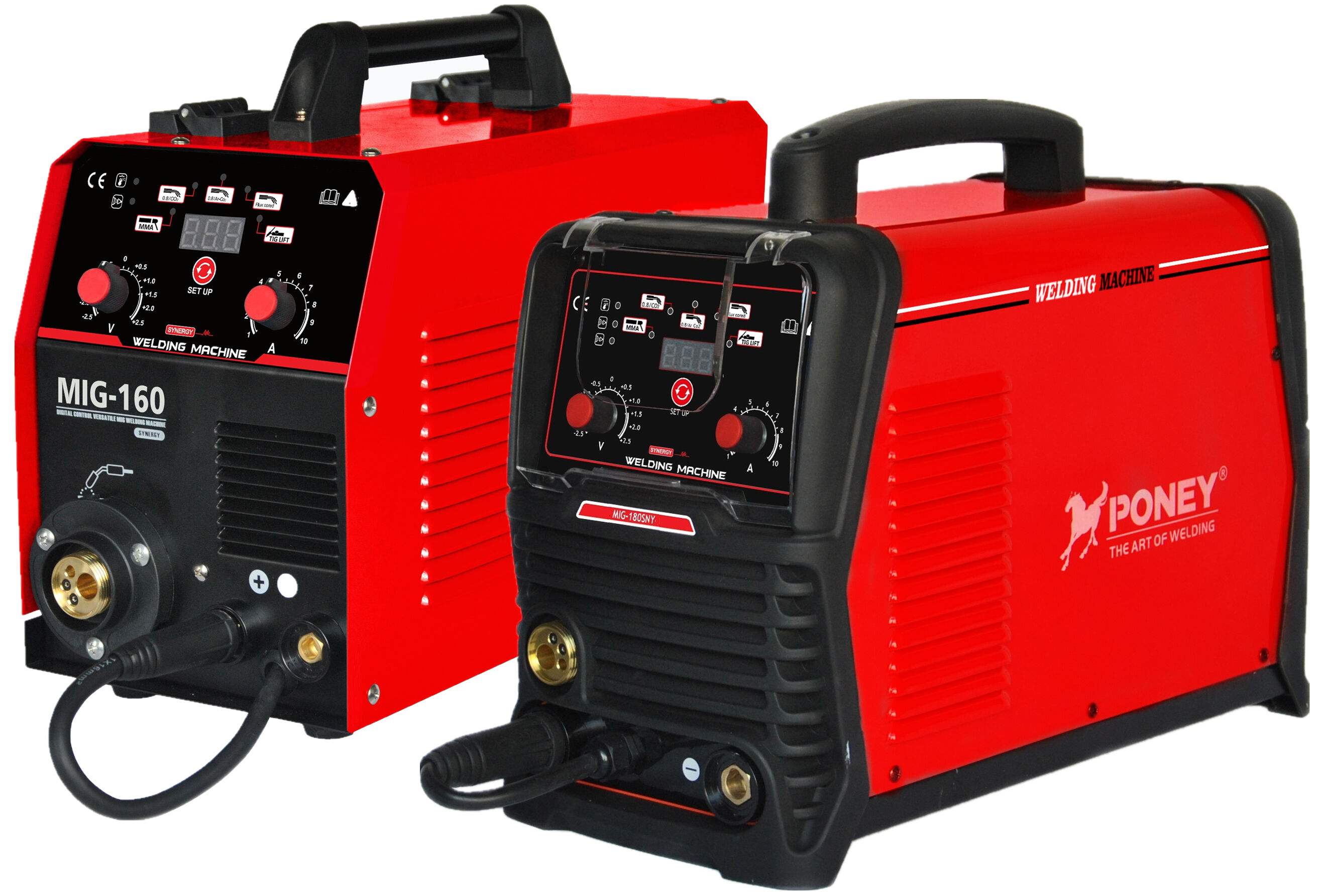
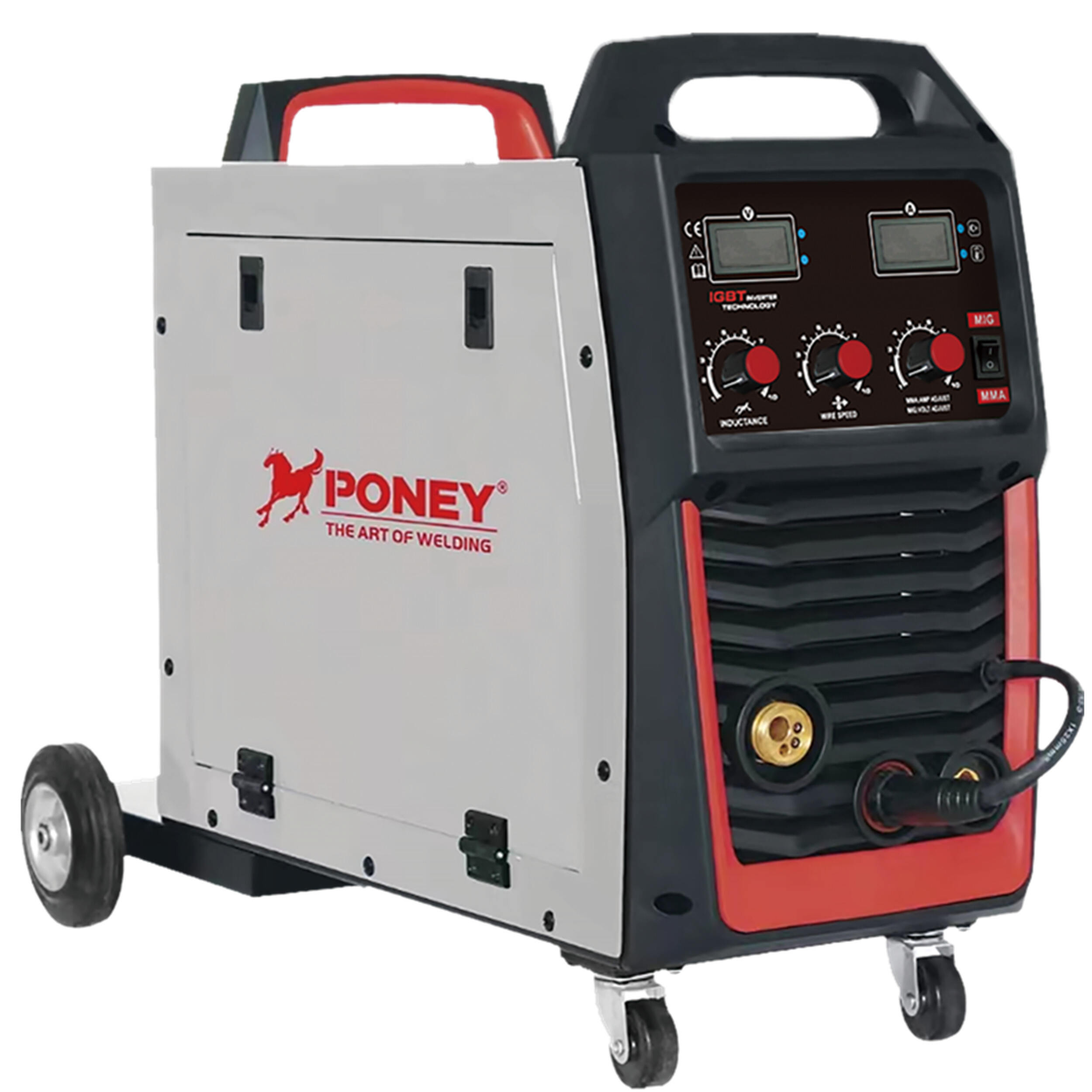
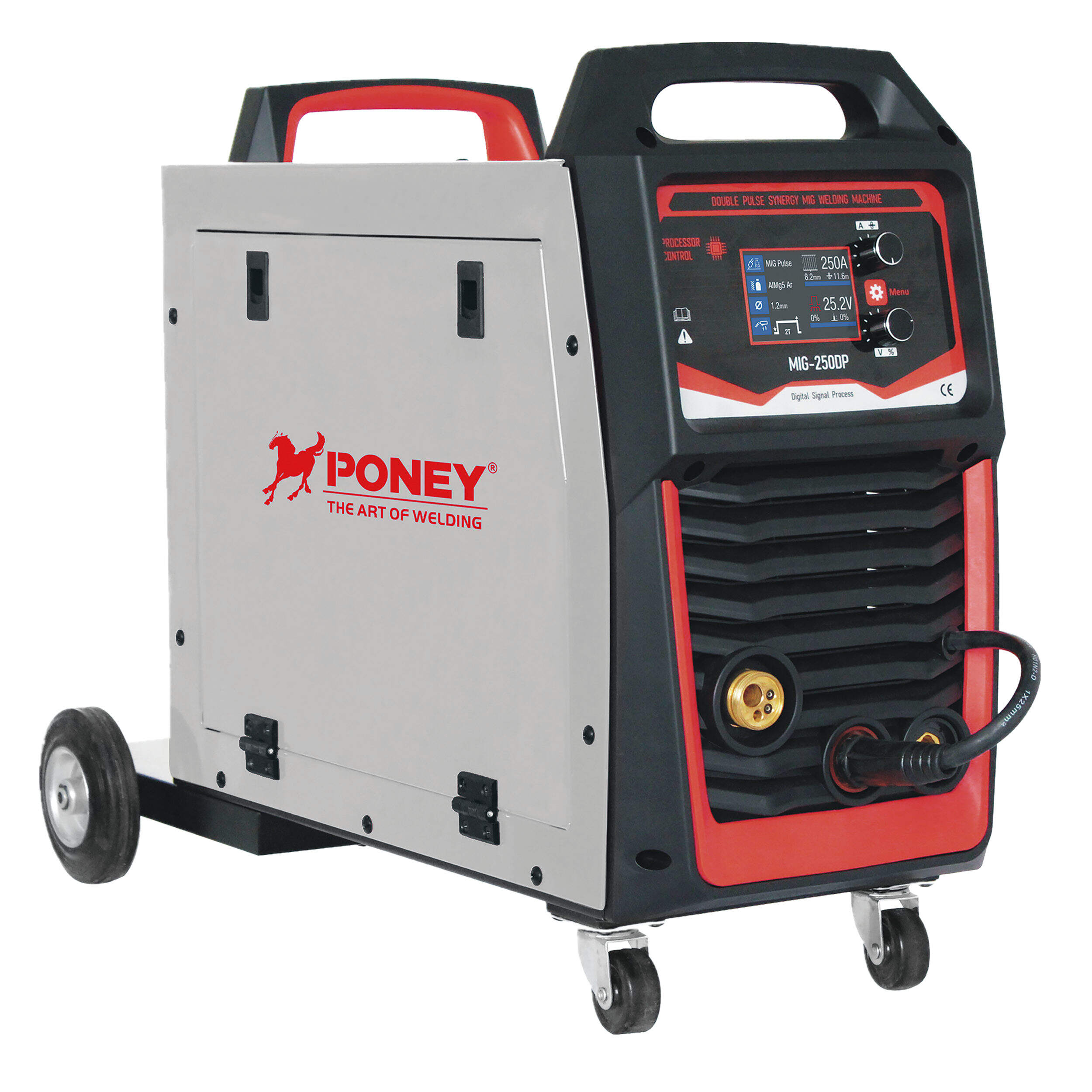
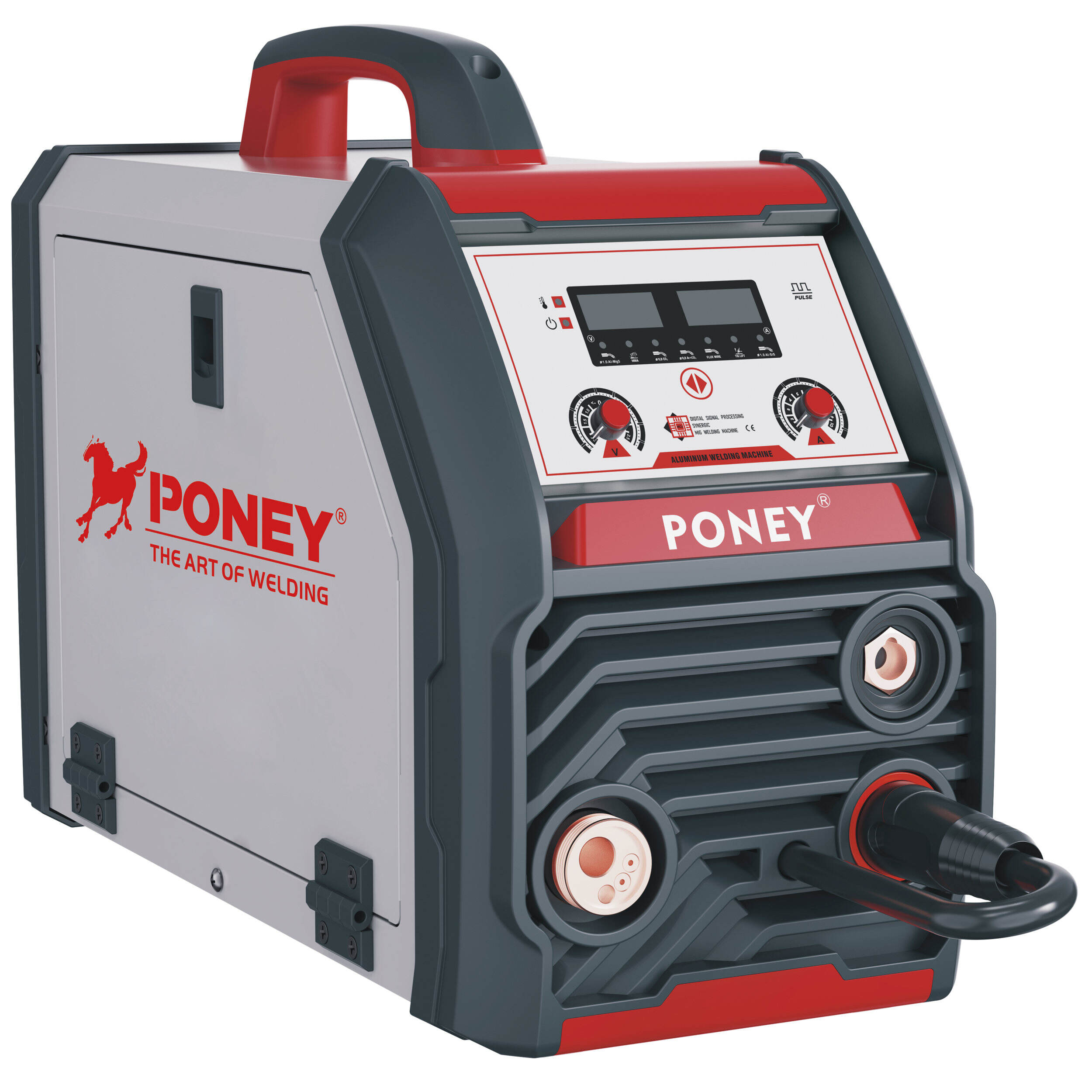
The arc electric welder stands as one of the most fundamental and versatile tools in modern metalworking and fabrication industries. This powerful device harnesses the principles of electrical current to create controlled arcs between an electrode and base metal, generating intense heat that melts and fuses materials together. The arc electric welder operates by establishing an electrical circuit that produces temperatures exceeding 6000 degrees Fahrenheit at the arc point, making it capable of joining various metal types including steel, aluminum, and stainless steel with remarkable precision and strength. The primary function of an arc electric welder revolves around creating permanent bonds between metal pieces through the controlled application of heat and electrical energy. Modern arc electric welders incorporate sophisticated power supply systems that convert standard alternating current into direct current or maintain AC output depending on the specific welding requirements. These units feature adjustable amperage controls that allow operators to fine-tune the welding current based on material thickness, joint configuration, and desired penetration depth. The technological framework of arc electric welders includes transformer-based or inverter-based power sources, with inverter technology becoming increasingly popular due to its compact design, energy efficiency, and superior arc stability. Advanced models integrate digital displays, preset welding programs, and automatic voltage regulation systems that maintain consistent arc characteristics throughout the welding process. The electrode holder and ground clamp complete the essential circuit, while built-in safety features such as thermal overload protection and voltage reduction devices ensure operator safety during operation. Arc electric welders find extensive applications across construction, automotive manufacturing, shipbuilding, pipeline installation, artistic metalwork, and general repair services. From structural steel fabrication in skyscrapers to delicate restoration work on vintage automobiles, these versatile machines adapt to countless welding scenarios while maintaining reliability and performance standards that professionals demand in challenging work environments.

New Product Releases

Arc electric welders deliver numerous practical benefits that make them indispensable tools for both professional welders and hobbyists seeking reliable metal joining solutions. The primary advantage lies in their exceptional versatility, as these machines excel at welding different metal types and thicknesses without requiring extensive equipment changes or complex setup procedures. This adaptability translates into significant cost savings for businesses and individuals who work with diverse materials and projects. The robust construction of arc electric welders ensures long-term durability and consistent performance even under demanding industrial conditions. Unlike more delicate welding systems, arc welders withstand harsh environments, temperature fluctuations, and frequent transportation without compromising their operational integrity. This reliability reduces maintenance costs and minimizes downtime, allowing operators to maintain productive workflows without constant equipment concerns. The learning curve for arc electric welders remains relatively gentle compared to other welding processes, making them accessible to beginners while still offering advanced capabilities for experienced professionals. The straightforward operation involves connecting the ground clamp, inserting an appropriate electrode, adjusting the current settings, and initiating the arc. This simplicity enables new welders to achieve acceptable results quickly while developing their skills progressively. Cost-effectiveness represents another compelling advantage, as arc electric welders typically require lower initial investment compared to specialized welding systems. The consumables, primarily welding electrodes, remain affordable and widely available, reducing ongoing operational expenses. The equipment itself requires minimal additional accessories, unlike gas welding systems that demand regulators, hoses, and continuous gas supplies. Arc electric welders provide superior penetration capabilities, creating strong, durable welds that withstand mechanical stress and environmental exposure. The high heat concentration at the arc point ensures complete fusion between base materials and filler metal, resulting in joints that often exceed the strength of the original materials. This reliability proves crucial for structural applications where weld integrity directly impacts safety and performance. The portability of many arc electric welder models enables on-site repairs and field welding operations. Contractors and maintenance technicians can transport these units to remote locations, construction sites, or emergency repair situations without requiring extensive support equipment. This mobility expands business opportunities and improves response times for critical repairs. Furthermore, arc electric welders operate effectively in various positions, including overhead, vertical, and horizontal welding scenarios, providing the flexibility needed for complex fabrication projects and repair work in confined spaces.

Practical Tips

PONEY Upholds Tradition of Excellence

26

Jan

PONEY Upholds Tradition of Excellence

View More
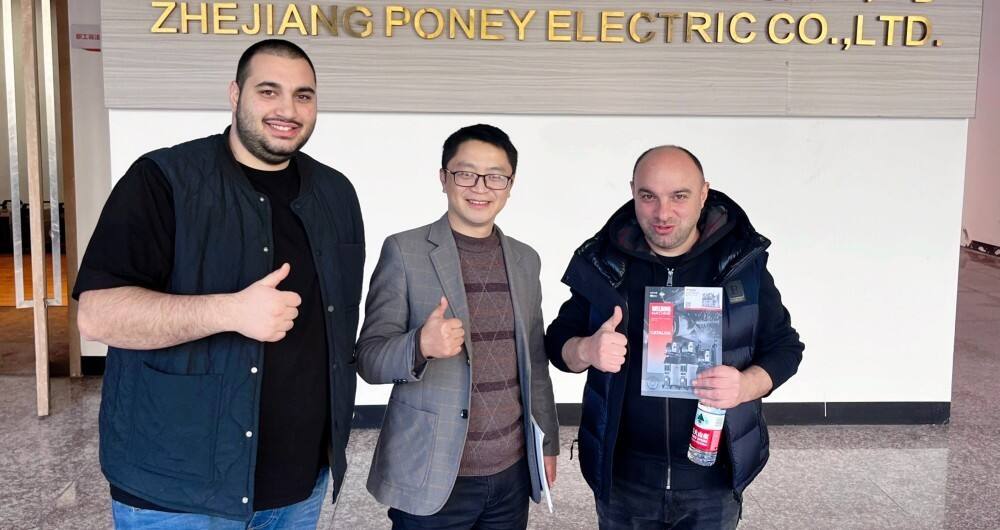
PONEY Welcomes Core Procurement Delegation from Georgia, Signing Cooperation to Open a New Chapter

26

Jan

PONEY Welcomes Core Procurement Delegation from Georgia, Signing Cooperation to Open a New Chapter

View More
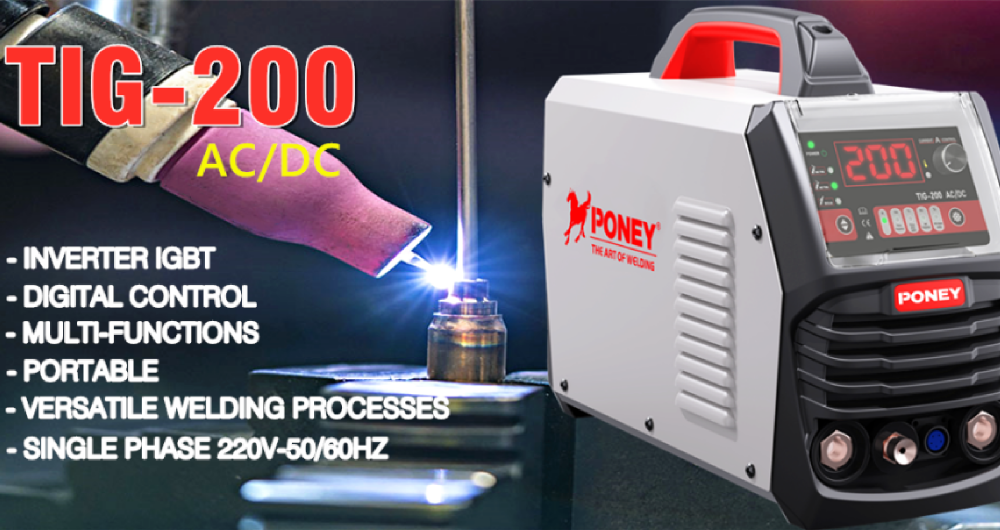
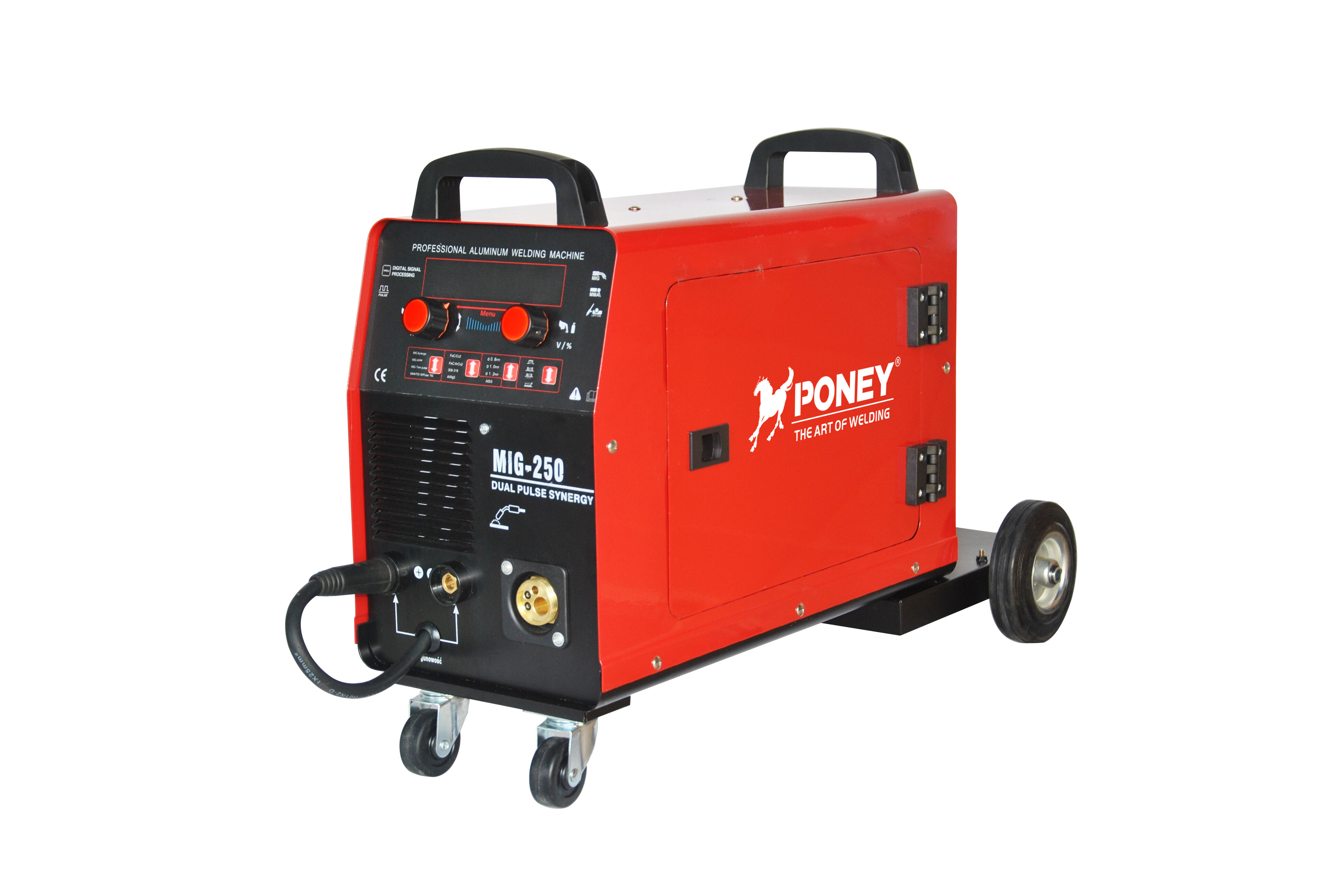
Ingenuity Forges a New Chapter! PONEY's New Product Launch Conference Concludes Successfully, with Two Flagship Welding Machines Stealing the Show

26

Jan

Ingenuity Forges a New Chapter! PONEY's New Product Launch Conference Concludes Successfully, with Two Flagship Welding Machines Stealing the Show

View More

Get a Free Quote

Our representative will contact you soon.
Email
Mobile/Whatsapp
Name
Company Name
Message
0/1000

arc electric welder

Advanced Inverter Technology for Superior Performance

Advanced Inverter Technology for Superior Performance

Modern arc electric welders equipped with advanced inverter technology represent a significant leap forward in welding equipment design and functionality. This cutting-edge technology transforms the traditional heavy, bulky transformer-based systems into lightweight, highly efficient units that deliver exceptional performance across a wide range of applications. Inverter-based arc electric welders utilize sophisticated electronic circuits to convert incoming AC power to high-frequency alternating current before transforming it back to the desired output voltage and current characteristics. This process enables precise control over the welding arc, resulting in improved stability, reduced spatter, and enhanced weld quality. The benefits of inverter technology extend far beyond simple weight reduction. These advanced arc electric welders provide superior arc starting characteristics, making it easier for operators to initiate and maintain stable arcs even with challenging electrodes or in difficult welding positions. The electronic control systems continuously monitor and adjust the output parameters, compensating for voltage fluctuations and maintaining consistent arc characteristics throughout the welding process. This automatic regulation reduces the skill level required to achieve professional-quality results, making inverter-based arc electric welders ideal for both experienced professionals and those new to welding. Energy efficiency represents another crucial advantage of inverter technology in arc electric welders. These units consume significantly less power compared to traditional transformer-based systems, reducing operating costs and environmental impact. The improved efficiency also generates less heat during operation, extending component life and reducing cooling requirements. Many inverter arc electric welders operate effectively on standard household electrical circuits, expanding their usability in residential workshops and remote locations where power availability may be limited. The compact design facilitated by inverter technology makes these arc electric welders highly portable without sacrificing performance capabilities. Contractors and mobile welding services benefit enormously from equipment that can be easily transported while maintaining full functionality. The reduced weight and size also improve operator comfort during extended welding sessions, as the equipment places less physical strain on users who must position and maneuver the welding leads and electrode holders throughout their work.
Comprehensive Safety Features and User Protection

Comprehensive Safety Features and User Protection

Safety considerations form the cornerstone of modern arc electric welder design, with manufacturers incorporating multiple protective systems to safeguard operators and equipment during welding operations. Contemporary arc electric welders integrate sophisticated safety mechanisms that automatically monitor operating conditions and respond instantly to potential hazards, providing peace of mind for both novice and experienced welders working in various environments. Thermal overload protection represents one of the most critical safety features in arc electric welders. This system continuously monitors internal temperatures and automatically reduces output or temporarily shuts down the unit when excessive heat levels are detected. This protection prevents damage to internal components and eliminates fire hazards that could result from overheating. The automatic reset function allows the arc electric welder to resume normal operation once temperatures return to safe levels, minimizing downtime while maintaining safety standards. Voltage Reduction Device technology, commonly integrated into modern arc electric welders, significantly reduces the risk of electrical shock during electrode changing and equipment handling. This feature automatically lowers the open-circuit voltage to safe levels when welding stops, while instantly restoring full voltage when the arc is struck. This protective measure proves especially valuable in confined spaces or damp conditions where electrical hazards pose increased risks to operator safety. Ground fault protection systems in advanced arc electric welders detect electrical leakage and immediately interrupt power flow to prevent dangerous shock situations. Short circuit protection safeguards both the operator and equipment by instantly limiting current flow when unintended electrical paths occur. These protective circuits react faster than traditional fuses or breakers, providing superior protection while maintaining the quick response times necessary for effective welding operations. Many arc electric welders incorporate digital displays that provide real-time monitoring of operating parameters, enabling operators to maintain safe working conditions through continuous awareness of current levels, voltage output, and duty cycle status. Visual and audible warning systems alert users to potentially dangerous conditions before they become critical, allowing for corrective action that prevents accidents or equipment damage. The robust construction of quality arc electric welders includes proper grounding systems, insulated components, and weatherproof housings that protect internal electronics from moisture, dust, and physical damage. These design elements ensure reliable operation and safety compliance across diverse working conditions, from outdoor construction sites to indoor fabrication shops.
Exceptional Versatility Across Multiple Applications and Materials

Exceptional Versatility Across Multiple Applications and Materials

The remarkable versatility of arc electric welders positions them as essential tools capable of handling an extraordinary range of welding applications, materials, and project requirements across numerous industries and skill levels. This adaptability stems from the fundamental welding process itself, which relies on electrical arc energy to join metals regardless of their specific composition or thickness within reasonable parameters. Professional fabricators, maintenance technicians, artists, and hobbyists all benefit from the broad capability spectrum that arc electric welders provide. Material compatibility represents one of the strongest advantages of arc electric welders, as these versatile machines effectively join carbon steel, low-alloy steels, stainless steel, cast iron, and various specialty alloys using appropriate electrode selections. This broad material range eliminates the need for multiple welding systems in many workshops and fabrication facilities, reducing equipment costs and simplifying inventory management. The ability to switch between different materials simply by changing electrode types makes arc electric welders invaluable for repair work where the exact material composition may be unknown or where multiple materials require joining in a single project. Thickness capability in arc electric welders extends from thin sheet metal applications to heavy structural plate welding, with proper electrode selection and technique adjustment. Skilled operators can successfully weld materials ranging from 18-gauge sheet metal to several inches of plate thickness, making these machines suitable for delicate artistic work as well as heavy construction applications. This thickness versatility proves especially valuable for maintenance and repair operations where existing structures may incorporate various material gauges and sections. Position welding capability distinguishes quality arc electric welders from other joining methods, as experienced operators can achieve excellent results in flat, horizontal, vertical, and overhead positions. This positional flexibility proves crucial for structural welding, pipeline installation, and equipment repair where joints must be made in challenging orientations. The stick welding process accommodates these various positions through proper electrode selection and technique modification, enabling complete joint access without requiring extensive workpiece repositioning. Industrial applications for arc electric welders span construction, shipbuilding, pipeline installation, power plant maintenance, mining equipment repair, and general manufacturing. The robust nature of the welding process and equipment makes it ideal for harsh environments where other welding methods might fail due to wind, contamination, or accessibility limitations. Agricultural, automotive, and artistic applications also benefit from the reliability and versatility that arc electric welders provide, enabling everything from farm equipment repair to custom metalwork creation with consistent, professional results.

Get a Free Quote

Our representative will contact you soon.
Email
Mobile/Whatsapp
Name
Company Name
Message
0/1000