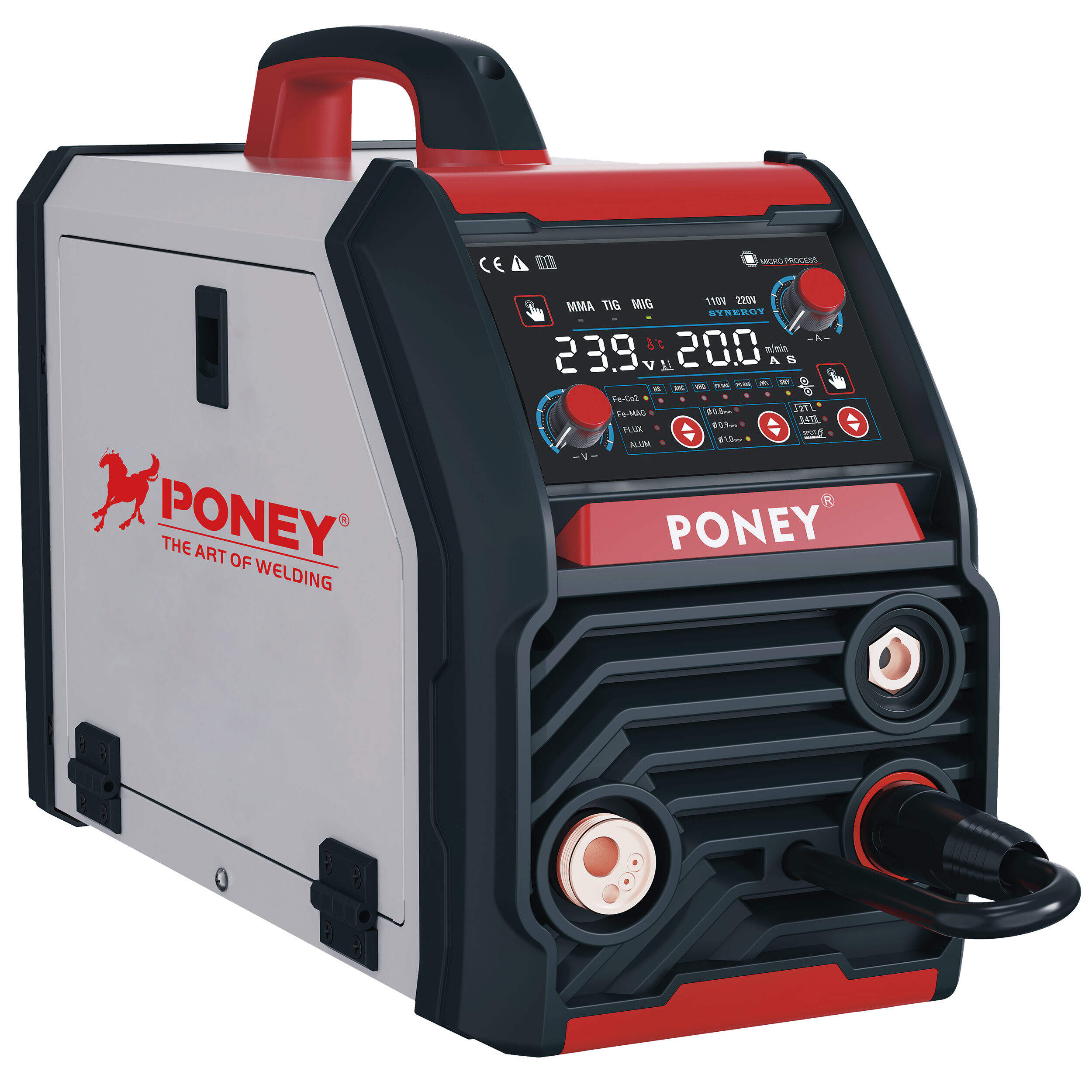
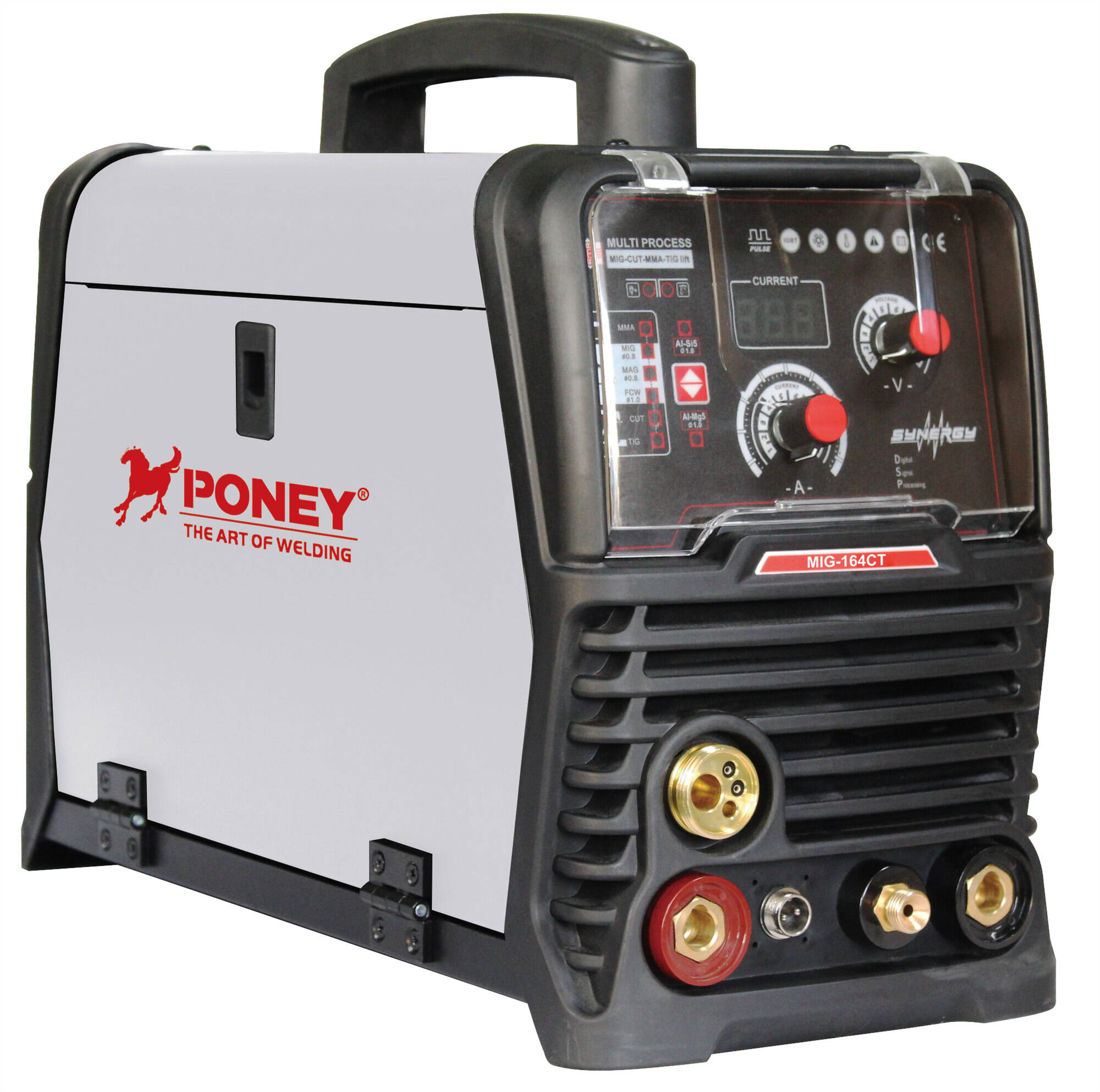
Industrial CO2 Welding Equipment - Advanced Solutions for Professional Manufacturing

Get a Free Quote

Our representative will contact you soon.
Email
Mobile/Whatsapp
Name
Company Name
Message
0/1000

industrial co2 welding equipment

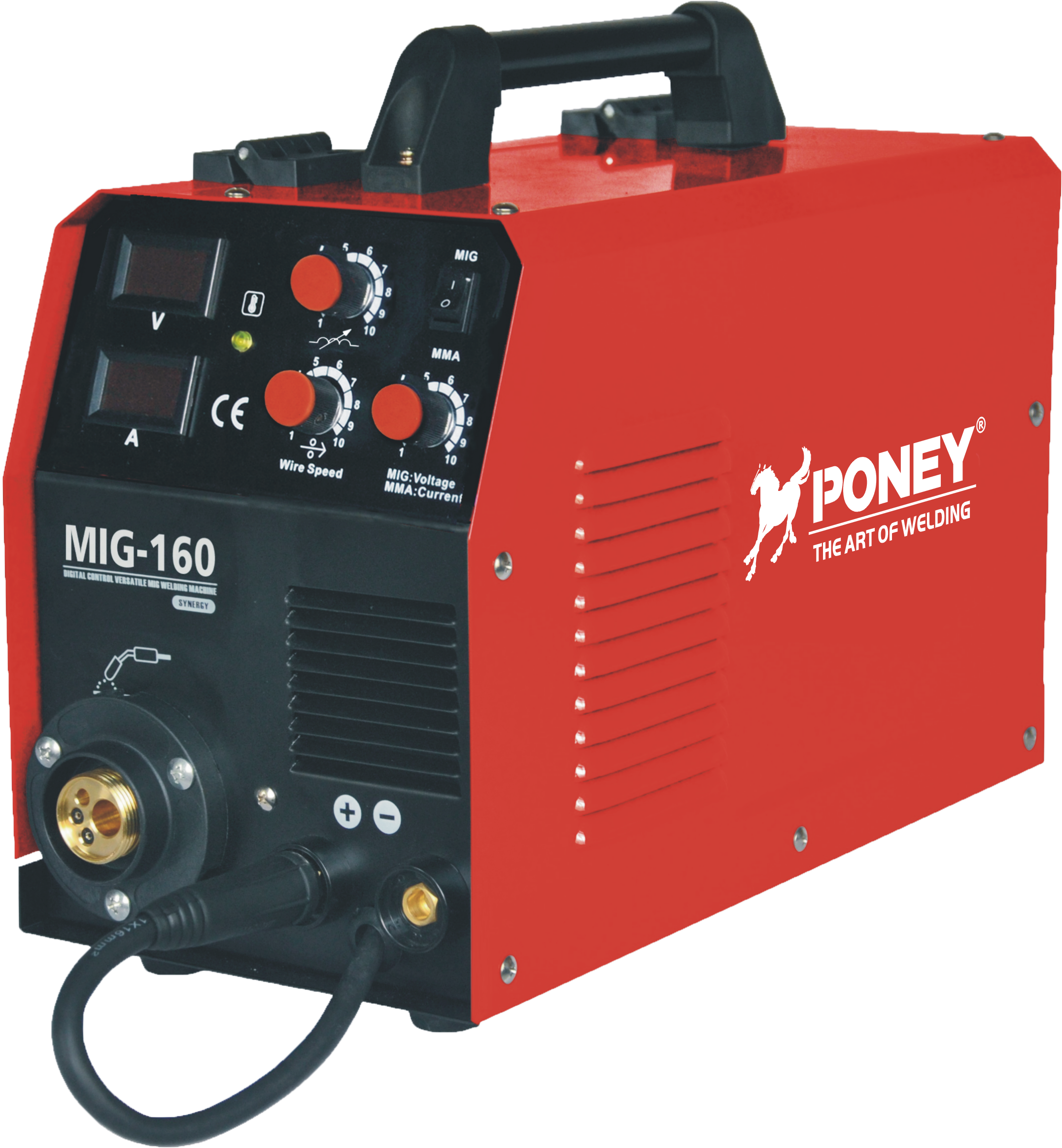
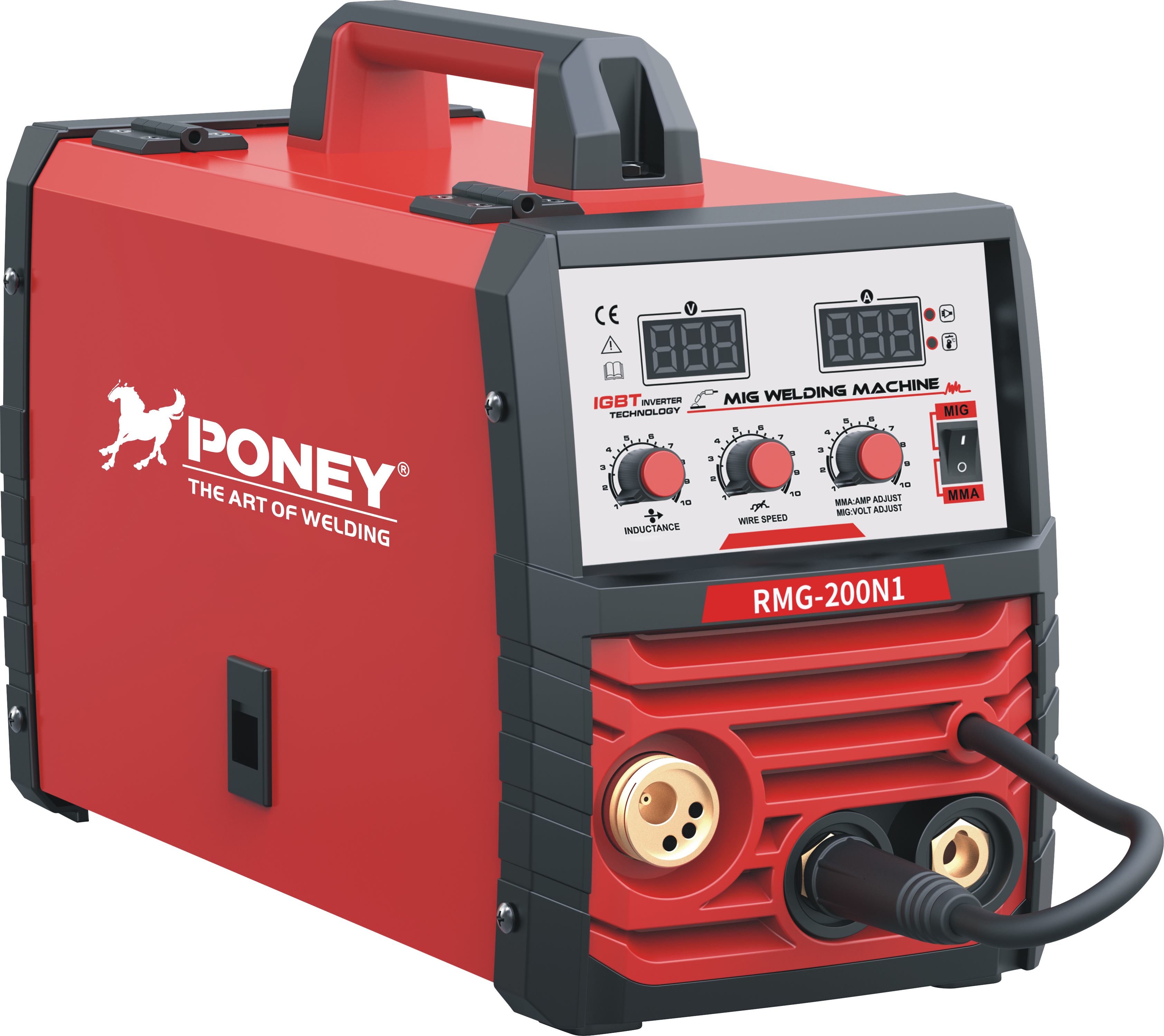
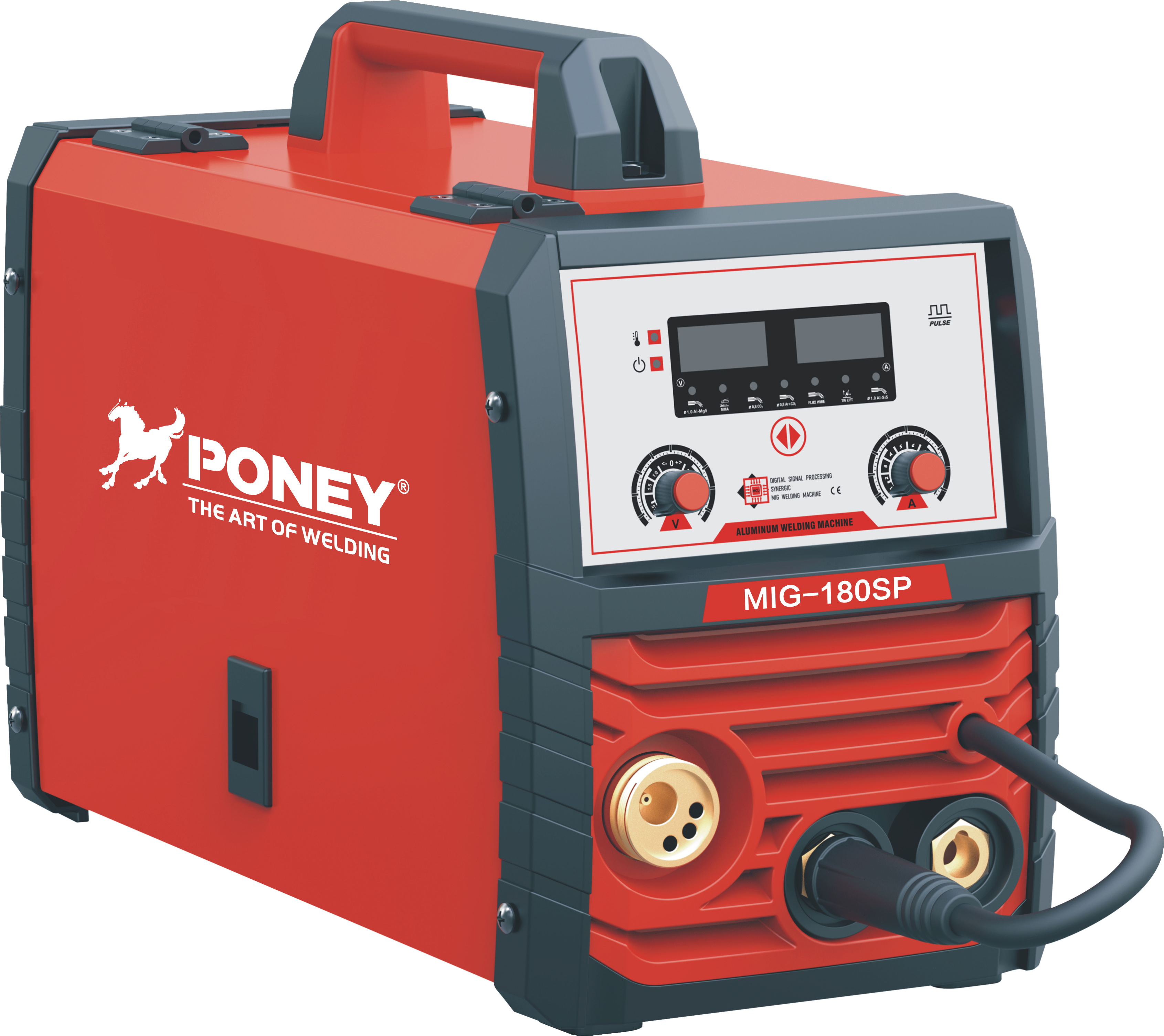
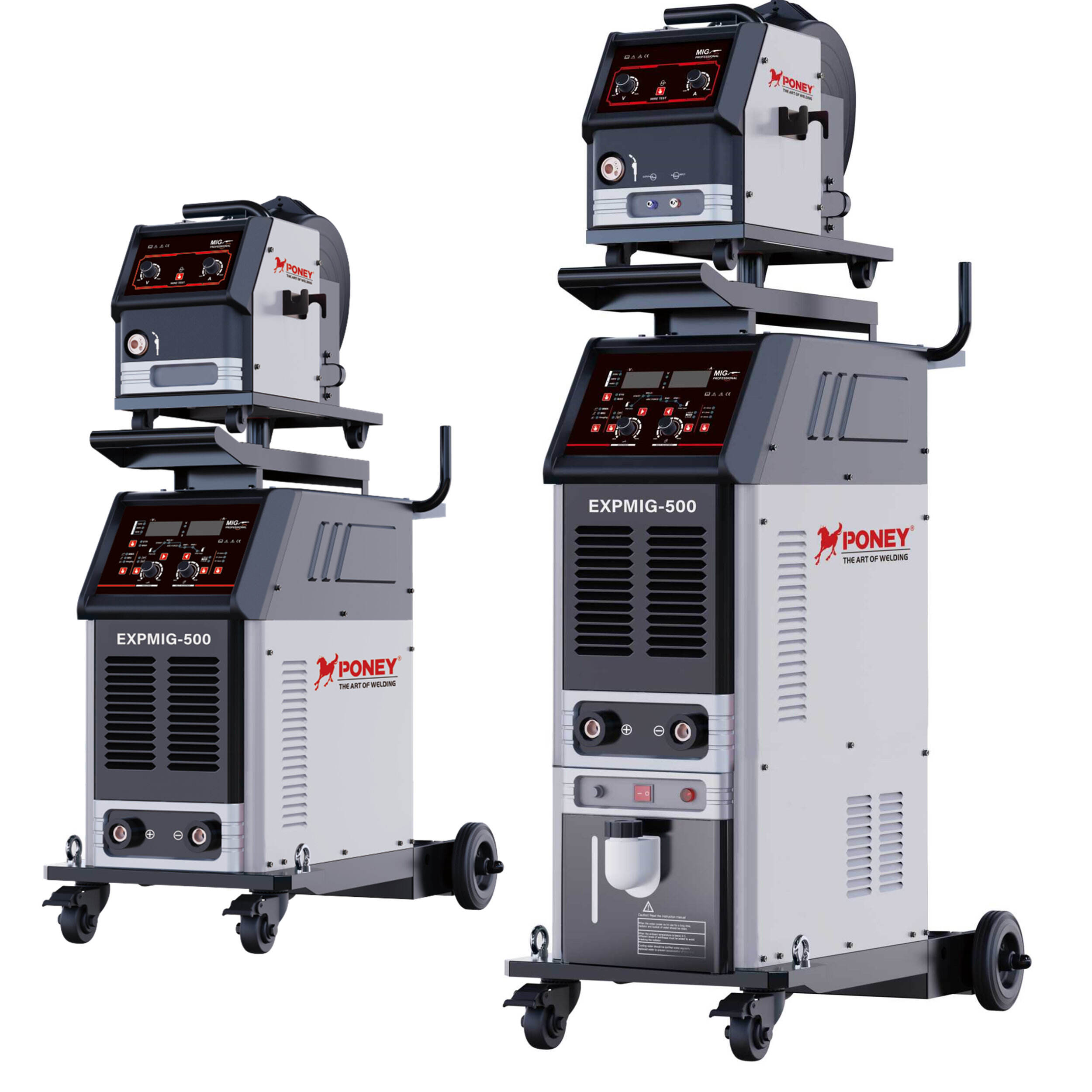
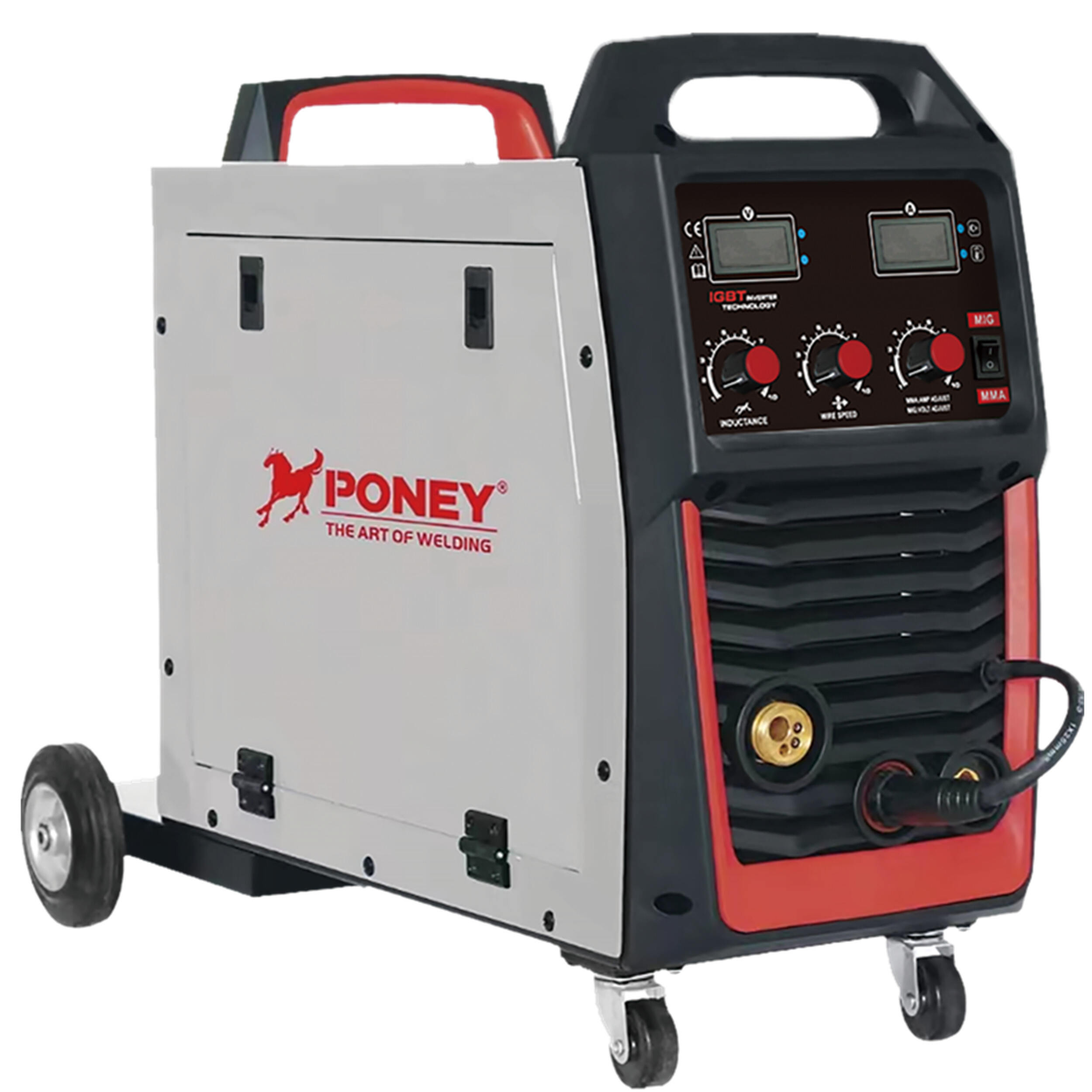
Industrial CO2 welding equipment represents a cornerstone technology in modern manufacturing and fabrication processes. This sophisticated machinery utilizes carbon dioxide as a shielding gas to protect the weld pool from atmospheric contamination during the welding process. The equipment consists of several critical components including a power source, wire feeder, welding gun, gas delivery system, and control unit that work in harmony to deliver precise and reliable welding results. The main functions of industrial CO2 welding equipment encompass metal joining across various thicknesses, repair work on industrial components, and automated production line integration. The technology operates through a semi-automatic or fully automatic process where a continuous wire electrode is fed through the welding gun while CO2 gas creates a protective atmosphere around the welding arc. This method ensures superior penetration and strong weld joints that meet stringent industrial standards. Key technological features include adjustable voltage and amperage controls, wire speed regulation systems, advanced cooling mechanisms, and digital displays for precise parameter monitoring. Modern industrial CO2 welding equipment incorporates microprocessor-based controls that enable operators to store welding programs and maintain consistent quality across multiple projects. The applications for this equipment span numerous industries including automotive manufacturing, shipbuilding, construction, pipeline installation, heavy machinery production, and structural steelwork. Manufacturing facilities rely on industrial CO2 welding equipment for its ability to handle both thin sheet metals and thick structural components with equal effectiveness. The versatility of this welding technology makes it indispensable for producing everything from delicate electronic enclosures to massive bridge components, demonstrating its critical role in modern industrial operations.

New Product Recommendations

Industrial CO2 welding equipment delivers exceptional value through multiple practical benefits that directly impact operational efficiency and cost-effectiveness. The primary advantage lies in its superior penetration capabilities, which create stronger and more reliable welds compared to traditional welding methods. This deep penetration ensures that joints maintain structural integrity under extreme stress conditions, reducing the likelihood of costly failures and warranty claims. The equipment operates at higher welding speeds than conventional stick welding, significantly increasing productivity and reducing labor costs per project. Manufacturing facilities experience substantial time savings when using industrial CO2 welding equipment, as operators can complete welding tasks up to three times faster than manual processes. The continuous wire feeding system eliminates frequent electrode changes, minimizing downtime and maintaining consistent work flow throughout production cycles. Cost efficiency represents another major advantage, as CO2 gas costs considerably less than other shielding gases while delivering comparable or superior results. The equipment produces minimal spatter and requires less post-welding cleanup, further reducing labor expenses and material waste. Operators find the learning curve manageable, as the semi-automatic nature of industrial CO2 welding equipment requires less specialized skill compared to manual welding techniques. This accessibility enables companies to train workers more quickly and maintain consistent quality standards across different skill levels. The versatility of industrial CO2 welding equipment allows single machines to handle multiple material types and thicknesses, reducing equipment investment requirements and shop floor space needs. Quality consistency stands as a paramount benefit, with digital controls ensuring repeatable results that meet or exceed specification requirements. The equipment generates less heat distortion than other welding methods, preserving dimensional accuracy in precision components. Maintenance requirements remain minimal due to robust construction and reliable component design, ensuring extended service life and reduced ownership costs. These practical advantages combine to deliver measurable improvements in productivity, quality, and profitability for businesses across various industrial sectors.

Practical Tips

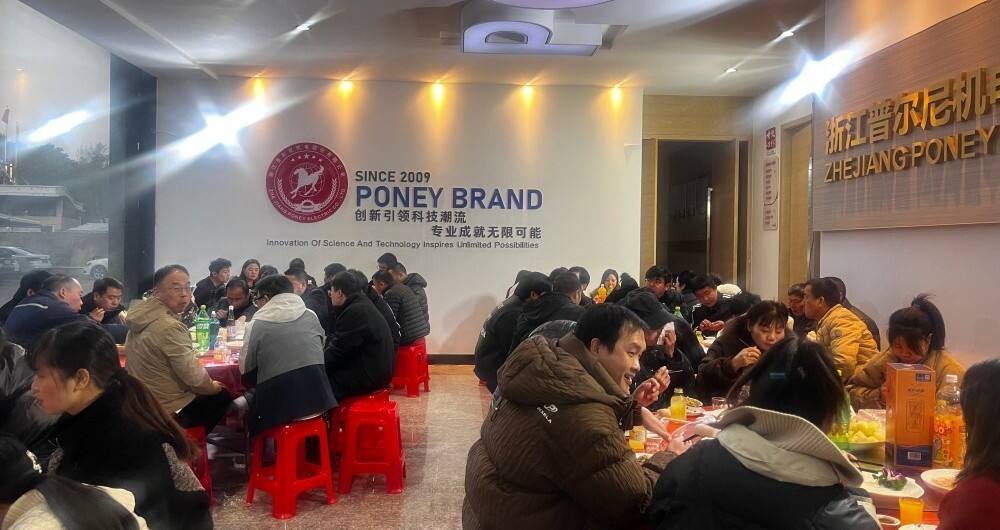
PONEY Upholds Tradition of Excellence

26

Jan

PONEY Upholds Tradition of Excellence

View More
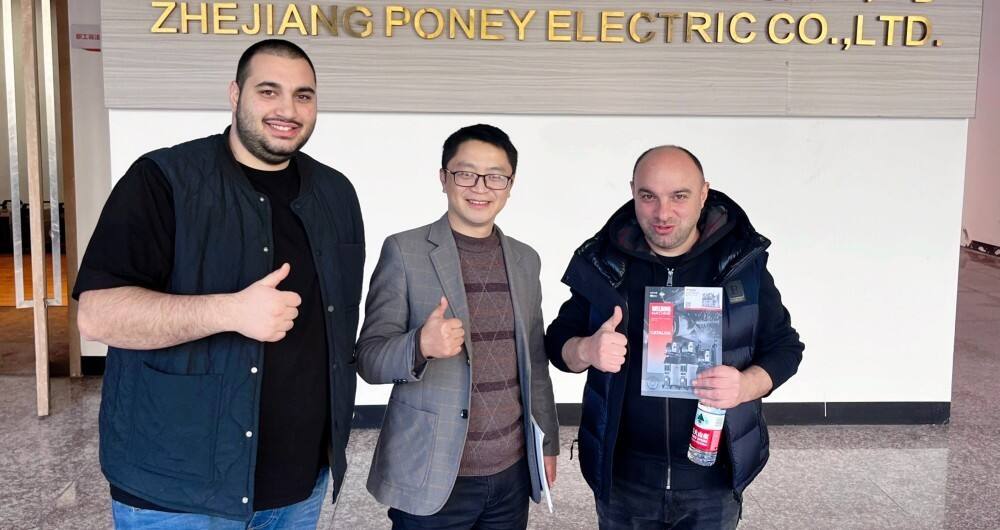
PONEY Welcomes Core Procurement Delegation from Georgia, Signing Cooperation to Open a New Chapter

26

Jan

PONEY Welcomes Core Procurement Delegation from Georgia, Signing Cooperation to Open a New Chapter

View More
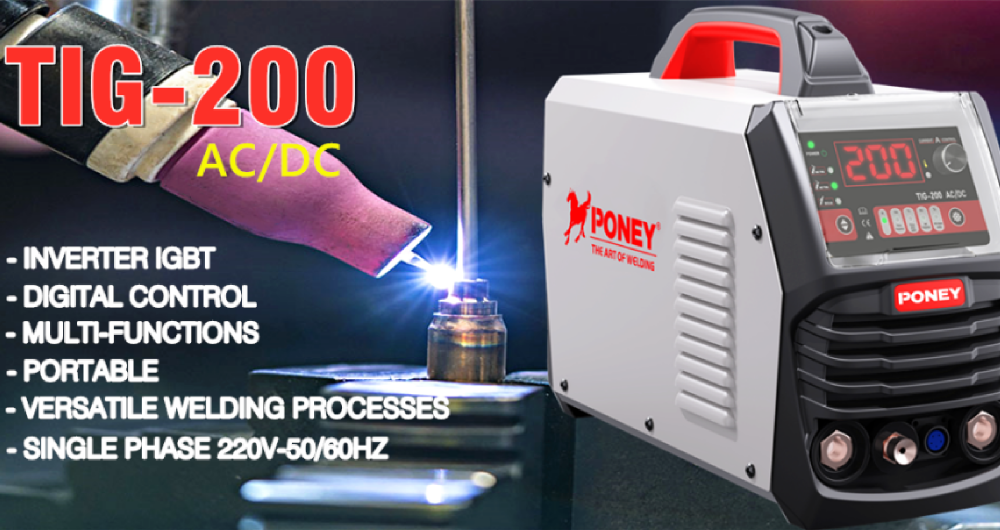
Ingenuity Forges a New Chapter! PONEY's New Product Launch Conference Concludes Successfully, with Two Flagship Welding Machines Stealing the Show

26

Jan

Ingenuity Forges a New Chapter! PONEY's New Product Launch Conference Concludes Successfully, with Two Flagship Welding Machines Stealing the Show

View More

Get a Free Quote

Our representative will contact you soon.
Email
Mobile/Whatsapp
Name
Company Name
Message
0/1000

industrial co2 welding equipment

Advanced Digital Control Systems for Precision Welding Operations

Advanced Digital Control Systems for Precision Welding Operations

Modern industrial CO2 welding equipment features sophisticated digital control systems that revolutionize welding precision and consistency across all applications. These advanced control units incorporate microprocessor technology that enables operators to program, store, and recall specific welding parameters for different materials and joint configurations. The digital interface displays real-time welding data including voltage, amperage, wire feed speed, and gas flow rates, allowing operators to make immediate adjustments and maintain optimal welding conditions throughout the process. This technological advancement eliminates the guesswork traditionally associated with welding parameter selection, ensuring that every weld meets predetermined quality standards regardless of operator experience level. The control systems feature memory banks capable of storing hundreds of welding programs, enabling quick setup changes for different production runs without manual recalibration. This capability proves invaluable in manufacturing environments where multiple products require different welding specifications, as operators can instantly switch between programs with the touch of a button. The digital controls also incorporate feedback mechanisms that automatically adjust parameters in response to changing conditions such as material thickness variations or joint gap inconsistencies. This adaptive capability maintains weld quality even when dealing with less-than-perfect joint preparation or material variations. Quality control managers appreciate the data logging capabilities that record welding parameters for each completed weld, creating comprehensive documentation for traceability and quality assurance purposes. The systems generate detailed reports that help identify trends, optimize processes, and maintain compliance with industry standards and customer specifications. Remote monitoring capabilities allow supervisors to oversee multiple welding stations from a central location, improving efficiency and enabling rapid response to any issues that may arise. The user-friendly interface reduces training time for new operators while providing experienced welders with the tools needed to achieve consistent, high-quality results across all applications.
Superior Gas Shielding Technology for Enhanced Weld Quality

Superior Gas Shielding Technology for Enhanced Weld Quality

The gas shielding technology integrated into industrial CO2 welding equipment represents a fundamental advancement that significantly enhances weld quality and consistency across diverse applications. Carbon dioxide gas creates an optimal protective atmosphere around the weld pool, effectively preventing atmospheric contamination that can compromise joint integrity and lead to defects such as porosity, oxidation, and inclusion formation. The equipment's gas delivery system maintains precise flow control, ensuring consistent coverage throughout the welding process regardless of welding position or environmental conditions. This controlled atmosphere enables the formation of clean, sound welds with excellent mechanical properties that exceed industry standards for strength and durability. The CO2 shielding process facilitates deeper penetration compared to other shielding gases, creating stronger root fusion and improved joint reliability. This enhanced penetration capability allows welders to achieve full joint penetration in single passes on thicker materials, reducing welding time and improving productivity. The gas shielding system incorporates advanced flow meters and pressure regulators that maintain optimal gas delivery rates automatically, preventing waste while ensuring adequate protection. Pre-flow and post-flow capabilities protect the weld during arc initiation and crater filling, eliminating common start and stop defects that can compromise joint quality. The equipment's gas management system includes leak detection and monitoring features that alert operators to any disruptions in gas delivery, preventing contaminated welds and material waste. Environmental benefits emerge from the efficient gas utilization, as the precise control systems minimize CO2 consumption while maintaining superior weld protection. The shielding technology adapts seamlessly to different welding positions including flat, horizontal, vertical, and overhead applications, maintaining consistent protection regardless of joint orientation. Quality assurance managers value the predictable results achieved through proper gas shielding, as it enables reliable mechanical properties testing and certification processes. The gas delivery system's robust construction ensures reliable operation in demanding industrial environments, providing consistent performance even under challenging conditions such as high dust levels or temperature extremes.
High-Performance Wire Feeding System for Continuous Operation

High-Performance Wire Feeding System for Continuous Operation

Industrial CO2 welding equipment incorporates high-performance wire feeding systems that ensure smooth, consistent electrode delivery throughout extended welding operations. These sophisticated feeding mechanisms utilize precision drive rolls and guide systems that maintain constant wire speed regardless of welding position or cable length, eliminating common feeding problems that can disrupt production schedules. The wire feeding system features variable speed controls that allow operators to fine-tune electrode delivery rates to match specific welding requirements, ensuring optimal arc characteristics and weld bead formation. Advanced tension control mechanisms prevent wire bird-nesting and tangling while maintaining proper electrode straightness as it approaches the contact tip. The system accommodates various wire diameters and types without requiring extensive reconfiguration, providing versatility for different applications within the same production facility. Heavy-duty drive motors deliver consistent torque across the entire speed range, ensuring reliable wire feeding even when using larger diameter electrodes or longer welding cables. The feeding mechanism incorporates anti-stick features that prevent wire fusion to the contact tip during arc starts, reducing downtime and maintaining consistent arc initiation. Quick-change wire reel systems enable rapid changeovers between different electrode types or sizes, minimizing production interruptions and improving overall efficiency. The wire path features precision guides and liners that reduce friction and prevent wire deformation, ensuring smooth delivery even through complex cable routing configurations. Automatic wire threading capabilities simplify setup procedures and reduce operator training requirements while maintaining consistent feeding performance. The system includes wire run-out detection that alerts operators when electrode supplies are depleted, preventing incomplete welds and ensuring continuous production flow. Maintenance-friendly design features provide easy access to drive components and wire path elements, enabling quick cleaning and adjustment procedures without specialized tools. The feeding system's robust construction withstands demanding industrial environments while maintaining precise control over wire delivery speed and consistency. Integration with the digital control system enables synchronized wire feeding with welding parameters, automatically adjusting delivery rates based on programmed welding sequences and ensuring optimal results across all applications.

Get a Free Quote

Our representative will contact you soon.
Email
Mobile/Whatsapp
Name
Company Name
Message
0/1000