Professional Precision Cutting Machine Solutions - Advanced Manufacturing Technology

Get a Free Quote

Our representative will contact you soon.
Email
Mobile/Whatsapp
Name
Company Name
Message
0/1000

precision cutting machine

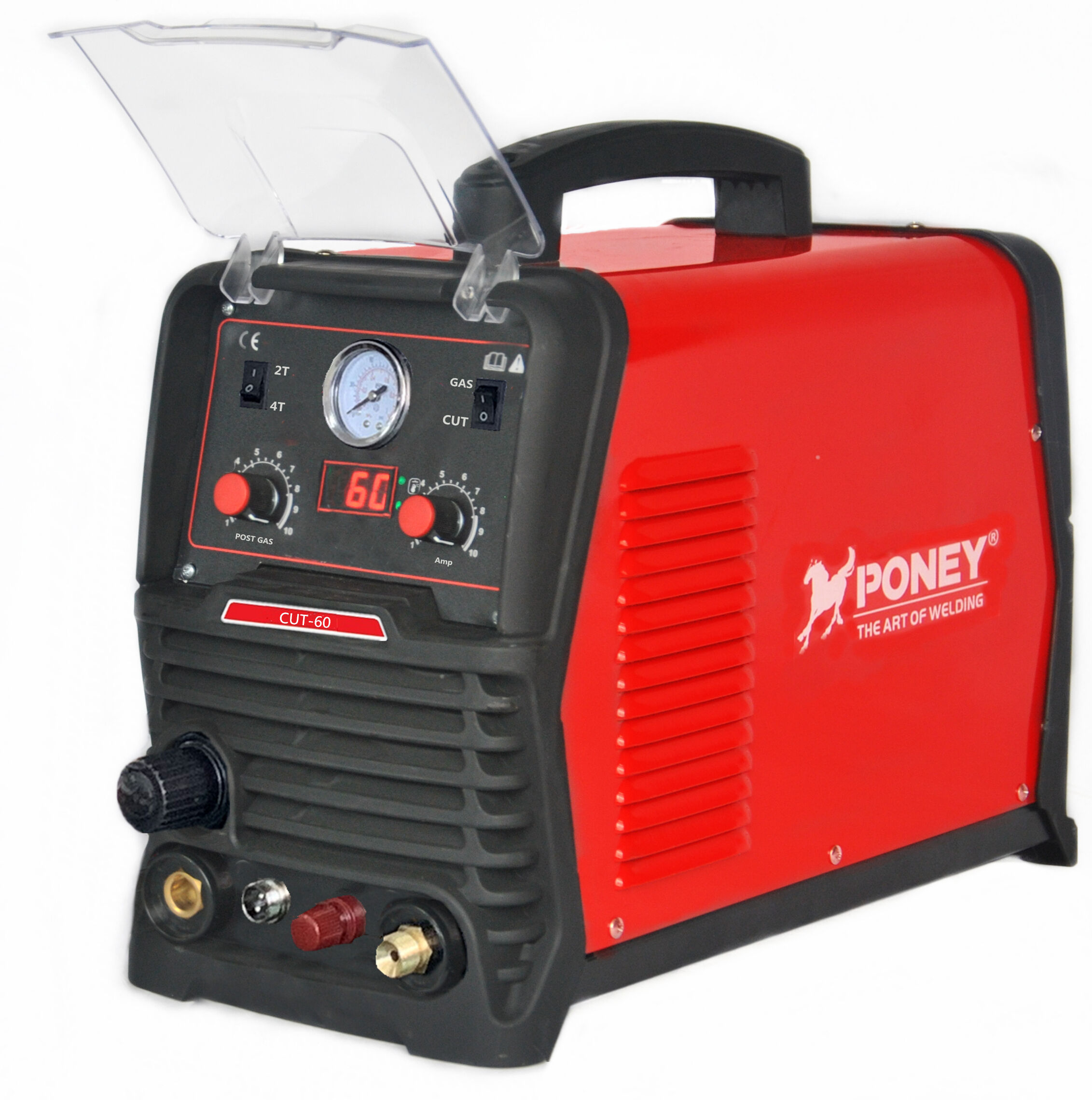
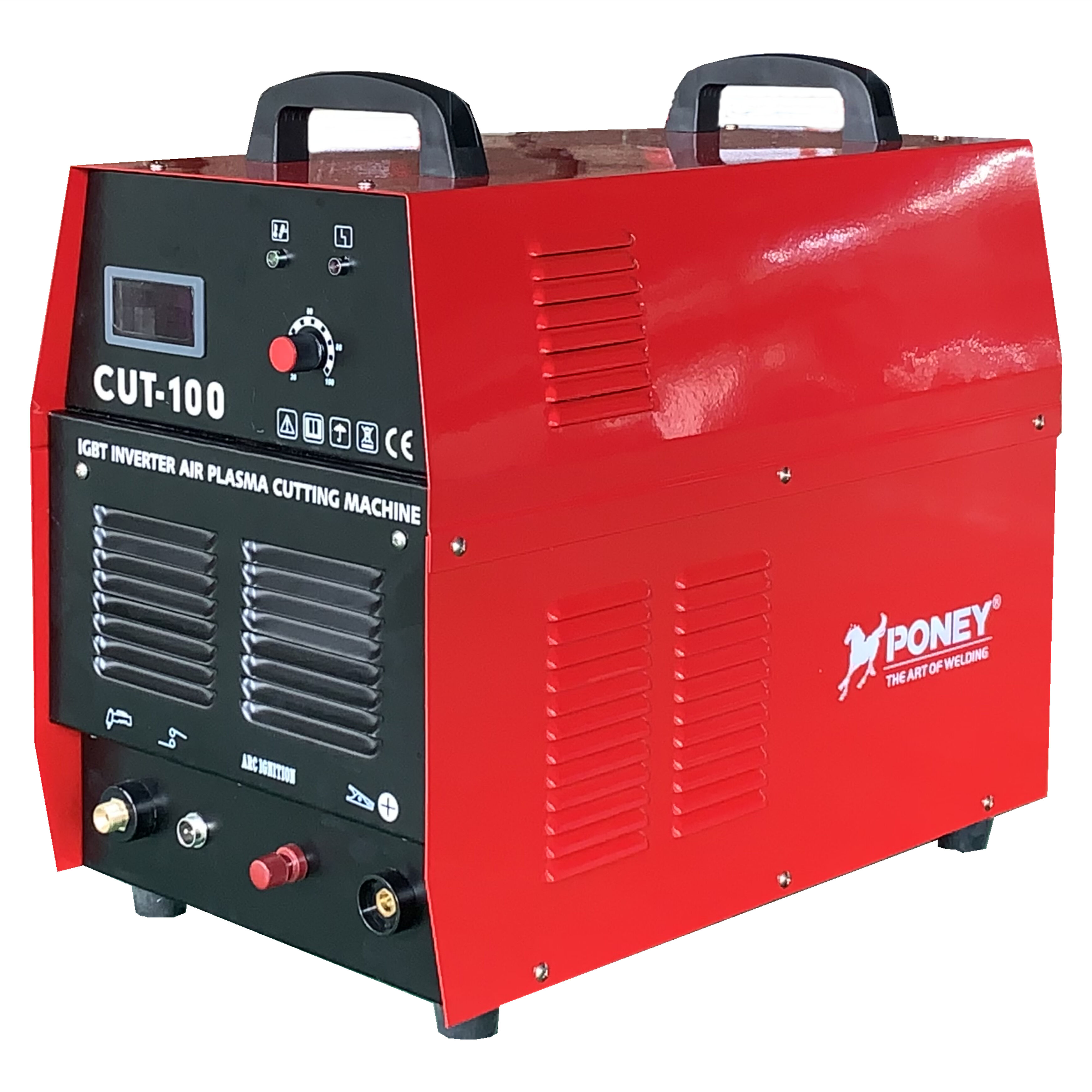
A precision cutting machine represents the pinnacle of manufacturing technology, designed to deliver exceptional accuracy and consistency in material processing across diverse industrial applications. These sophisticated systems combine advanced engineering principles with cutting-edge automation to achieve tolerances measured in micrometers, making them indispensable for industries requiring exacting standards. The precision cutting machine utilizes various cutting methodologies including laser, waterjet, plasma, and mechanical cutting techniques, each optimized for specific materials and applications. Modern precision cutting machines incorporate computer numerical control systems that enable operators to program complex cutting patterns with remarkable repeatability. The integration of servo motors, linear encoders, and feedback systems ensures that each cut maintains the specified dimensions regardless of production volume. These machines typically feature robust construction with granite or cast iron bases to minimize vibration and maintain stability during operation. The precision cutting machine market encompasses equipment ranging from compact benchtop units suitable for small-scale operations to large industrial systems capable of processing sheets measuring several meters in length and width. Advanced models include automatic material handling systems, real-time quality monitoring, and predictive maintenance capabilities. The cutting head assembly often incorporates multiple axes of movement, allowing for complex three-dimensional cutting operations and beveled edges. Temperature control systems maintain optimal operating conditions to prevent thermal expansion that could compromise cutting accuracy. Modern precision cutting machines also feature user-friendly interfaces with touchscreen controls, making operation accessible to technicians with varying skill levels. Safety systems including emergency stops, protective enclosures, and interlock mechanisms ensure operator protection while maintaining productivity. The versatility of precision cutting machines enables processing of materials ranging from thin films to thick plates, accommodating metals, composites, ceramics, and advanced engineering materials with equal proficiency.

New Product Recommendations

Precision cutting machines deliver transformative benefits that revolutionize manufacturing processes and drive operational excellence across multiple industries. These advanced systems provide unmatched accuracy that eliminates the guesswork and inconsistencies associated with traditional cutting methods. Manufacturers achieve dimensional tolerances within thousandths of an inch, ensuring every component meets exact specifications without requiring secondary finishing operations. This level of precision reduces material waste significantly, as operators can optimize cutting patterns and minimize scrap generation, leading to substantial cost savings over time. The speed advantage of precision cutting machines cannot be overstated, as automated systems complete complex cutting operations in fractions of the time required by manual methods. Production schedules become more predictable and reliable, enabling manufacturers to meet tight deadlines while maintaining quality standards. The consistency offered by precision cutting machines ensures that the first part produced matches the thousandth part exactly, eliminating variations that could compromise assembly processes or final product performance. This reliability builds customer confidence and reduces warranty claims, protecting brand reputation and profitability. Versatility represents another compelling advantage, as modern precision cutting machines handle diverse materials and thicknesses without requiring extensive setup changes or specialized tooling. Manufacturers can switch between different projects quickly, maintaining operational flexibility while maximizing equipment utilization. The reduction in labor requirements translates to lower operating costs and decreased dependence on skilled operators, addressing workforce challenges while improving profit margins. Quality improvements achieved through precision cutting machines extend beyond dimensional accuracy to include superior edge finish and reduced heat-affected zones, particularly important for critical applications in aerospace and medical device manufacturing. The data collection capabilities of modern precision cutting machines provide valuable insights into production processes, enabling continuous improvement initiatives and predictive maintenance strategies. Environmental benefits include reduced energy consumption per part and minimized material waste, supporting sustainability goals while lowering operating costs. Integration capabilities allow precision cutting machines to connect seamlessly with existing manufacturing execution systems, creating streamlined workflows and enhanced traceability throughout the production process.

Tips And Tricks

How does welder performance scale when moving from repair work to fabrication?

16

Mar

How does welder performance scale when moving from repair work to fabrication?

The transition from repair welding to fabrication work represents one of the most significant performance scaling challenges in industrial welding operations. When a welder moves from the precise, limited-scope nature of repair tasks to the high-volu...
View More
What challenges arise when selecting a welder for mixed material applications?

30

Mar

What challenges arise when selecting a welder for mixed material applications?

Selecting a welder for mixed material applications presents unique challenges that demand careful consideration of multiple technical factors. Unlike single-material welding scenarios where equipment selection follows established patterns, mixed mate...
View More
What factors shape welding machine performance in high-volume production lines?

11

Mar

What factors shape welding machine performance in high-volume production lines?

High-volume production environments demand exceptional consistency and reliability from every piece of equipment, with welding machines serving as critical components that directly impact throughput, quality, and operational efficiency. The performan...
View More
How does welding machine design affect operational consistency over time?

19

Mar

How does welding machine design affect operational consistency over time?

Understanding how welding machine design impacts operational consistency is crucial for manufacturers seeking reliable production outcomes. The internal architecture, component selection, and engineering principles embedded within a welding machine d...
View More

Get a Free Quote

Our representative will contact you soon.
Email
Mobile/Whatsapp
Name
Company Name
Message
0/1000

precision cutting machine

Unparalleled Cutting Accuracy and Repeatability

Unparalleled Cutting Accuracy and Repeatability

The cornerstone advantage of any precision cutting machine lies in its ability to deliver extraordinary accuracy that transforms manufacturing capabilities and elevates product quality to exceptional levels. These sophisticated systems achieve cutting tolerances measured in micrometers, ensuring dimensional consistency that meets the most demanding specifications across industries ranging from aerospace to medical device manufacturing. The precision cutting machine accomplishes this remarkable accuracy through the integration of advanced positioning systems, including high-resolution linear encoders that provide real-time feedback on cutting head position. Servo motor technology delivers precise movement control, while sophisticated algorithms compensate for mechanical backlash and thermal expansion effects that could otherwise compromise cutting accuracy. The machine's rigid construction, typically featuring granite or cast iron bases, minimizes vibration and maintains stability during high-speed cutting operations. Temperature-controlled environments within the cutting chamber prevent thermal distortion of both the workpiece and machine components, ensuring consistent results regardless of ambient conditions. The repeatability aspect proves equally crucial, as precision cutting machines produce identical results across thousands of production cycles without degradation in quality. This consistency eliminates the need for constant quality checks and adjustments, reducing labor costs while maintaining confidence in every produced component. Advanced calibration systems automatically compensate for tool wear and mechanical settling, maintaining cutting accuracy throughout extended production runs. The precision cutting machine's ability to maintain these tolerances while processing various materials and thicknesses demonstrates the technological sophistication embedded within these systems. Quality control integration allows real-time monitoring of cutting parameters, immediately alerting operators to any deviations from specified tolerances. This proactive approach prevents the production of non-conforming parts and reduces material waste significantly. The economic impact of this precision extends beyond immediate cost savings, as downstream assembly operations benefit from consistent component dimensions that eliminate fit and finish issues.
Advanced Automation and Intelligent Control Systems

Advanced Automation and Intelligent Control Systems

Modern precision cutting machines incorporate sophisticated automation technologies that revolutionize manufacturing workflows and dramatically enhance operational efficiency across diverse production environments. The intelligent control systems represent the technological heart of these machines, utilizing advanced computer numerical control platforms that seamlessly integrate cutting parameters, material properties, and geometric requirements into optimized cutting strategies. These precision cutting machine systems feature intuitive programming interfaces that allow operators to quickly develop and modify cutting programs without extensive technical expertise. The automation extends beyond basic cutting operations to include automatic material handling systems that load, position, and unload workpieces with minimal human intervention. Robotic integration capabilities enable precision cutting machines to operate continuously in lights-out manufacturing scenarios, maximizing productivity while reducing labor costs. The intelligent control systems continuously monitor cutting conditions and automatically adjust parameters to maintain optimal performance, compensating for material variations and tool wear without operator intervention. Predictive maintenance algorithms analyze machine performance data to identify potential issues before they impact production, scheduling maintenance activities during planned downtime to minimize disruption. The precision cutting machine's adaptive control features respond to real-time feedback from sensors throughout the cutting process, making instantaneous adjustments to maintain cutting quality and dimensional accuracy. Advanced nesting software optimizes material utilization by automatically arranging cutting patterns to minimize waste, significantly reducing material costs and environmental impact. Integration capabilities allow precision cutting machines to communicate seamlessly with enterprise resource planning systems, providing real-time production data and enabling advanced production scheduling strategies. The automation systems include comprehensive safety features that protect operators while maintaining productivity, incorporating safety interlocks, emergency stops, and protective barriers that comply with international safety standards. Remote monitoring capabilities enable operators and maintenance personnel to access machine status and performance data from anywhere, facilitating rapid response to production issues and supporting distributed manufacturing operations.
Exceptional Material Versatility and Processing Capabilities

Exceptional Material Versatility and Processing Capabilities

The remarkable material versatility of precision cutting machines represents a transformative capability that enables manufacturers to consolidate multiple cutting processes into a single, highly efficient system capable of processing diverse materials with exceptional quality and consistency. These advanced systems accommodate an extensive range of materials, from delicate thin films measuring mere thousandths of an inch to robust metal plates several inches thick, demonstrating the incredible flexibility that modern precision cutting machine technology provides. The ability to process metals including aluminum, steel, titanium, and exotic alloys makes these systems invaluable for aerospace, automotive, and industrial applications where material diversity is essential. Composite materials, increasingly prevalent in high-performance applications, require specialized cutting approaches that precision cutting machines deliver through carefully controlled cutting parameters and advanced tool technologies. The precision cutting machine's capability extends to ceramics, glass, and advanced engineering plastics, materials that traditional cutting methods often struggle to process effectively without introducing defects or compromising dimensional accuracy. Different cutting technologies within these versatile systems, including laser, waterjet, and plasma cutting, can be optimized for specific material characteristics and application requirements. The thermal management systems prevent heat-affected zones that could alter material properties, particularly critical when processing heat-sensitive materials or maintaining precise metallurgical characteristics. Edge quality consistency across different materials represents another significant advantage, as precision cutting machines deliver smooth, burr-free edges that often eliminate secondary finishing operations and reduce overall production costs. The material handling capabilities accommodate various sheet sizes and configurations, from small precision components to large structural elements, maximizing operational flexibility within manufacturing facilities. Advanced sensing systems automatically detect material thickness and composition, adjusting cutting parameters accordingly to maintain optimal results regardless of material variations. This adaptability reduces setup time and eliminates the need for extensive operator expertise in material-specific cutting techniques. The precision cutting machine's ability to maintain consistent quality across material transitions enables mixed-material production runs, supporting just-in-time manufacturing strategies and reducing inventory requirements. Quality assurance features continuously monitor cutting performance across different materials, ensuring that specifications are maintained regardless of material type or production volume.

Get a Free Quote

Our representative will contact you soon.
Email
Mobile/Whatsapp
Name
Company Name
Message
0/1000