EN

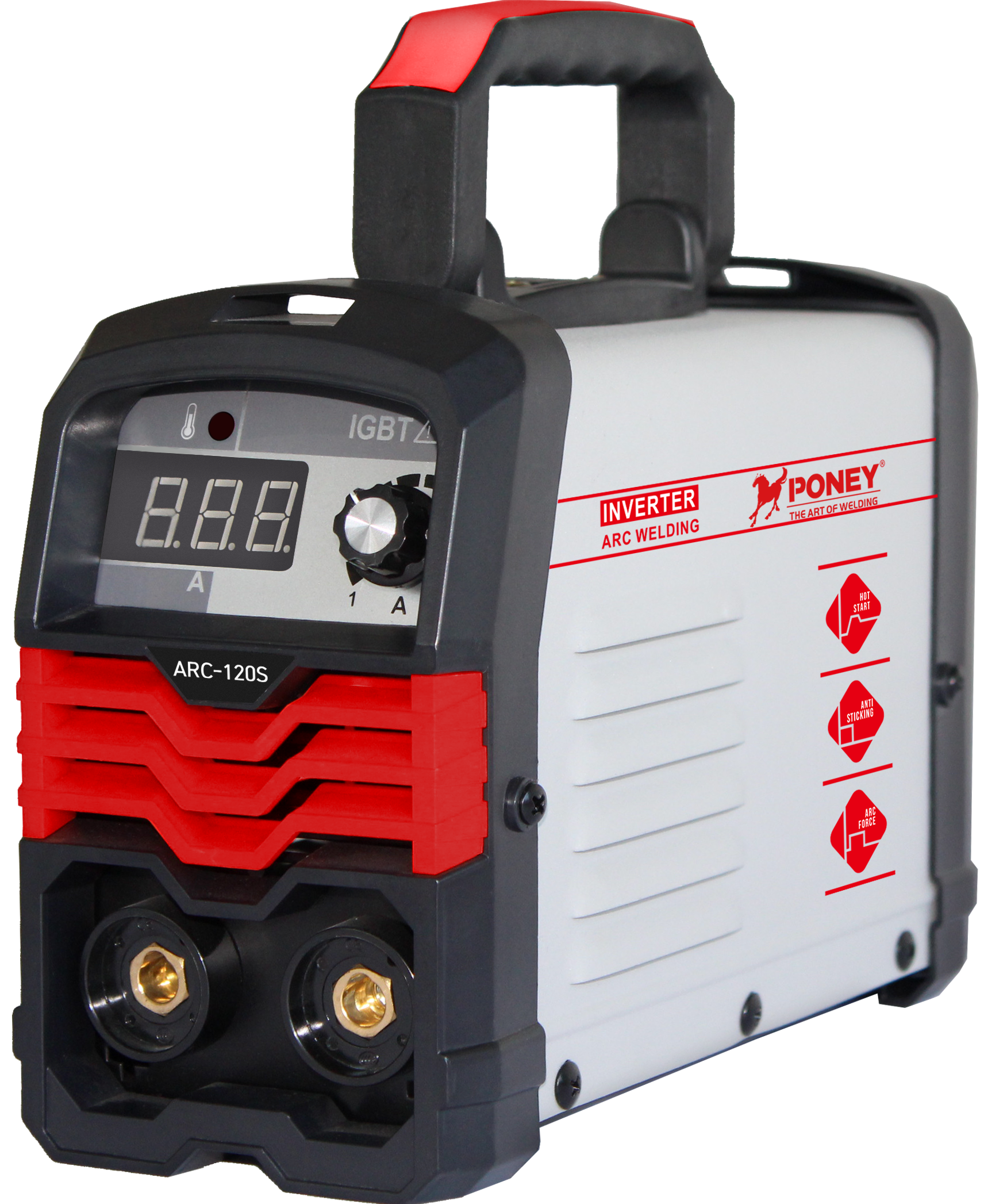
Metal inert gas welding, commonly known as mig, has become the backbone of modern metalworking operations across industries worldwide. From automotive manufacturing to structural steel fabrication, mig technology serves as the foundational welding method that production teams rely on daily. The prevalence of mig in industrial settings is not accidental but rather the result of decades of refinement, proven reliability, and exceptional cost effectiveness that other welding processes simply cannot match. Understanding why mig remains the baseline process reveals critical insights into operational efficiency, workforce capability, and long-term business value in metalworking.
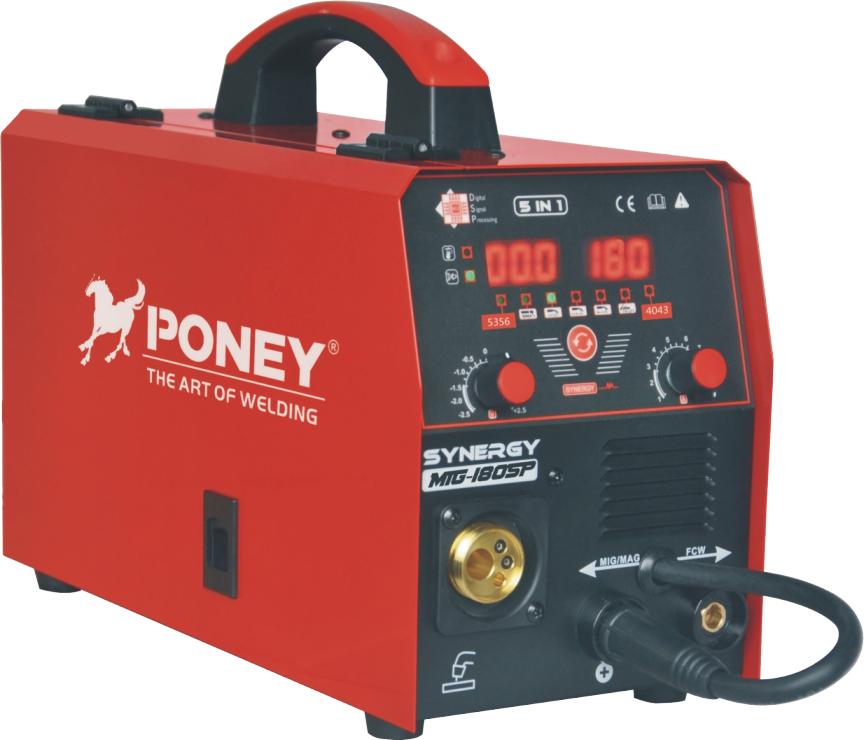
The dominance of mig welding in production facilities stems from its unique combination of speed, consistency, and operational simplicity. Unlike traditional stick welding or more complex processes, mig equipment delivers continuous wire feeding, automatic arc control, and minimal cleanup requirements. These characteristics translate directly into faster cycle times, reduced labor costs, and improved weld quality. For metalworking operations managing tight production schedules and demanding quality standards, mig remains the most pragmatic choice for high-volume manufacturing environments.
Speed and Production Efficiency in MIG Operations
Rapid Deposition Rates Drive Metalworking Economics
The mig process achieves deposition rates significantly higher than stick welding or tungsten inert gas welding, which directly impacts production throughput. A skilled mig operator can complete welds in a fraction of the time required by alternative methods, allowing metalworking shops to meet aggressive delivery timelines. This speed advantage becomes magnified in high-volume production runs where thousands of identical components flow through the facility daily. The economics of metalworking favor mig because faster welding means lower labor hours per joint, reduced equipment utilization, and improved facility throughput metrics.
Automatic Arc Control Reduces Setup Time
Modern mig welding machines incorporate sophisticated arc control and synergic systems that automatically adjust wire speed and voltage based on real-time feedback. This automation reduces the need for operator adjustment between welds and allows less experienced welders to produce consistent quality across different joint configurations. In metalworking operations, this capability directly translates to faster operator onboarding, fewer rejected welds due to parameter drift, and higher overall equipment effectiveness. The mig process essentially democratizes welding quality by removing some technical expertise barriers that plague manual processes.
Cost Effectiveness as the Foundation of MIG Adoption
Lower Equipment and Operating Expenses
Mig welding equipment represents a significantly lower capital investment compared to alternatives, making it accessible to metalworking shops of all sizes. The consumables cost remains competitive because mig wire is mass-produced globally and widely available at stable pricing. Gas consumption, while necessary, represents a predictable operating expense that experienced metalworking managers can forecast accurately across production cycles. These combined cost factors mean mig delivers the lowest total cost of ownership across equipment lifecycle, directly supporting the profitability targets that drive metalworking business decisions.
Reduced Scrap and Rework in Metalworking
The consistency of mig welds reduces defect rates and rework requirements that plague less reliable welding processes. In metalworking operations, scrap and rework represent hidden expenses that accumulate silently when welding processes lack control or repeatability. Mig addresses this challenge through inherent process stability and automatic parameter management that keeps welds within specification. When metalworking facilities track total cost of ownership including scrap, rework, and customer returns, mig demonstrates superior economics compared to processes requiring more manual control or producing variable quality.
Workforce Accessibility and Training in MIG Environments
Lower Skill Requirements Enable Rapid Deployment
Mig welding accepts a broader range of operator skill levels compared to stick or tungsten inert gas processes, a critical advantage in today's manufacturing labor market. Metalworking operations struggling with welder recruitment find that mig equipment allows them to develop qualified operators from less experienced candidates more quickly. The process is forgiving of minor parameter variations and joint preparation inconsistencies, meaning operators can produce acceptable welds even during the learning curve phase. This accessibility to mig welding makes it the logical baseline for metalworking shops managing workforce transitions or operating in regions with limited skilled welder availability.
Standardized Training and Certification Pathways
The mig process benefits from well-established training curricula, widely recognized certifications, and abundant technical resources available to metalworking employers. A welder certified in mig welding brings portable skills that apply across different industries and facility types, making workforce planning more flexible. Training institutions worldwide prioritize mig because of its prevalence in manufacturing, ensuring that metalworking operations can access properly trained candidates through standard hiring channels. This standardization creates a self-reinforcing cycle where mig remains the default baseline because employers train for mig, schools teach mig, and job seekers pursue mig certification.
Versatility and Material Range in Mig Applications
Broad Material Compatibility Across Metalworking Sectors
The mig process successfully welds mild steel, stainless steel, aluminum, and various alloy materials commonly encountered in metalworking operations. This material flexibility means a single facility can deploy mig equipment across multiple product lines without major capital restructuring. Aerospace shops, automotive suppliers, shipbuilders, and structural steel fabricators all rely on mig as their foundational process because it handles the material diversity they encounter in daily operations. The baseline status of mig reflects this practical versatility that allows metalworking companies to consolidate equipment, training, and quality procedures around a single proven process.
Compatibility with Automation and Robotic Integration
The mig process integrates seamlessly with robotic welding systems, allowing metalworking operations to transition from manual labor to automation without wholesale equipment replacement. Existing mig knowledge transfers directly to robotic mig programming, reducing implementation barriers when facilities pursue automation. This evolutionary path makes mig the natural baseline for metalworking shops at various stages of automation maturity, from fully manual operations to highly integrated robotic cells. The ability to apply mig across manual and automated settings strengthens its position as the baseline process that metalworking facilities build their welding infrastructure around.
FAQ
Why is mig preferred over stick welding in modern metalworking?
Mig surpasses stick welding in speed, consistency, and ease of use, making it superior for high-volume metalworking operations. The mig process requires less skill to operate, produces less spatter and cleanup, and achieves higher deposition rates that align with production targets. Stick welding remains relevant for specific applications like open-root joints or outdoor conditions, but mig handles the majority of metalworking fabrication more efficiently and cost-effectively.
Can aluminum fabrication shops rely solely on mig technology?
Many aluminum metalworking operations build their entire production capability around mig, though specialized applications may require tungsten inert gas welding for critical joints. Mig aluminum welding delivers sufficient quality for most commercial and industrial applications while maintaining the speed and cost advantages that make it the baseline process. Shops typically maintain both capabilities but default to mig for standard production work, reserving alternative processes for demanding aerospace or pressure vessel applications where specifications mandate specific procedures.
How does mig compare to tungsten inert gas welding for quality outcomes?
Mig produces weld quality comparable to tungsten inert gas welding for most metalworking applications while offering faster deposition and lower operator skill requirements. Tungsten inert gas excels in precision applications requiring maximum control over puddle size and root pass characteristics, but mig achieves industrial-grade quality adequate for structural and automotive metalworking. The choice between processes depends on specific application requirements, production volume, and cost targets rather than inherent mig limitations.