 EN

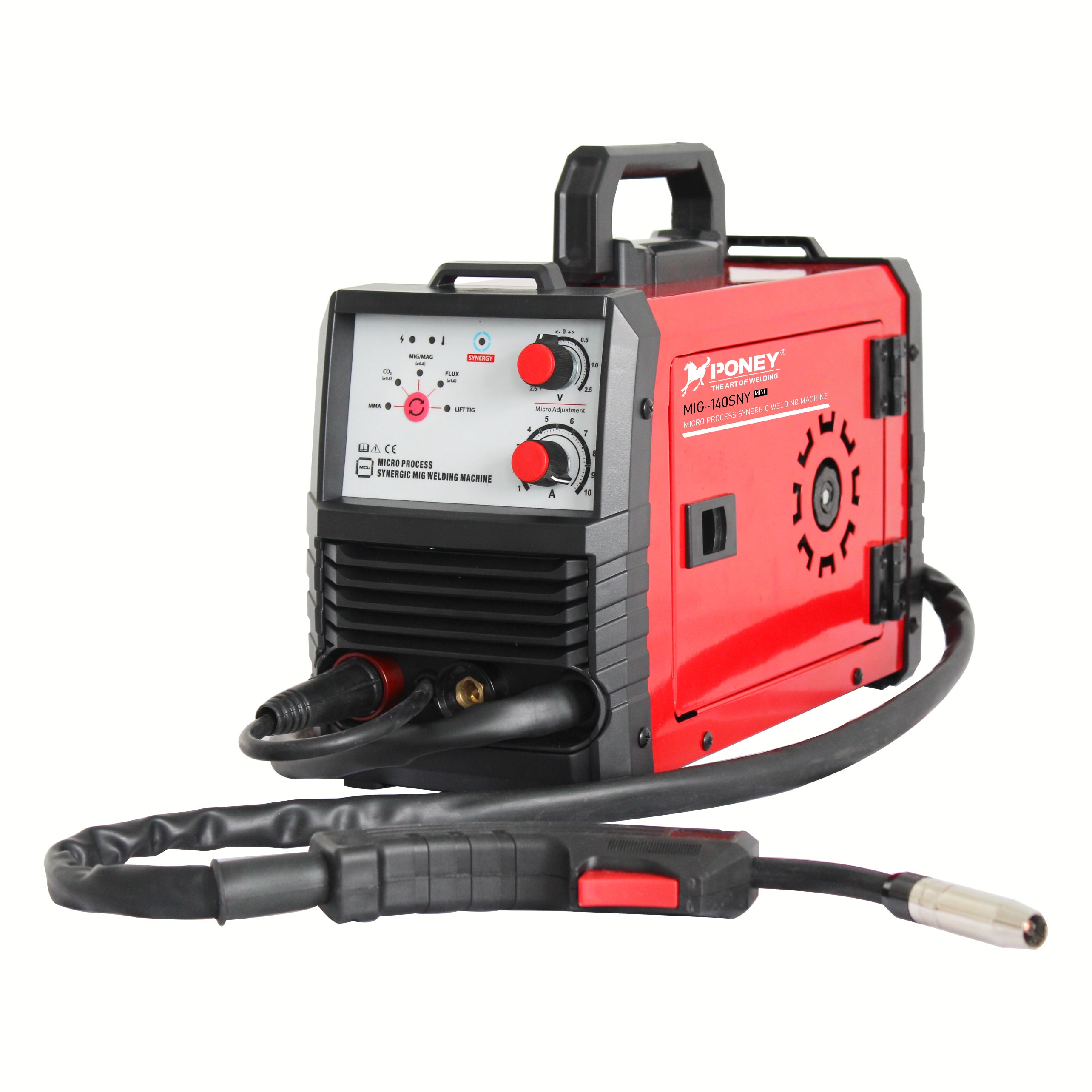
Fabrication productivity hinges on how well a welder is configured for the specific task at hand. A properly configured welder delivers consistent arc stability, optimal penetration, and minimal spatter, all of which directly translate to faster cycl...
VIEW MORE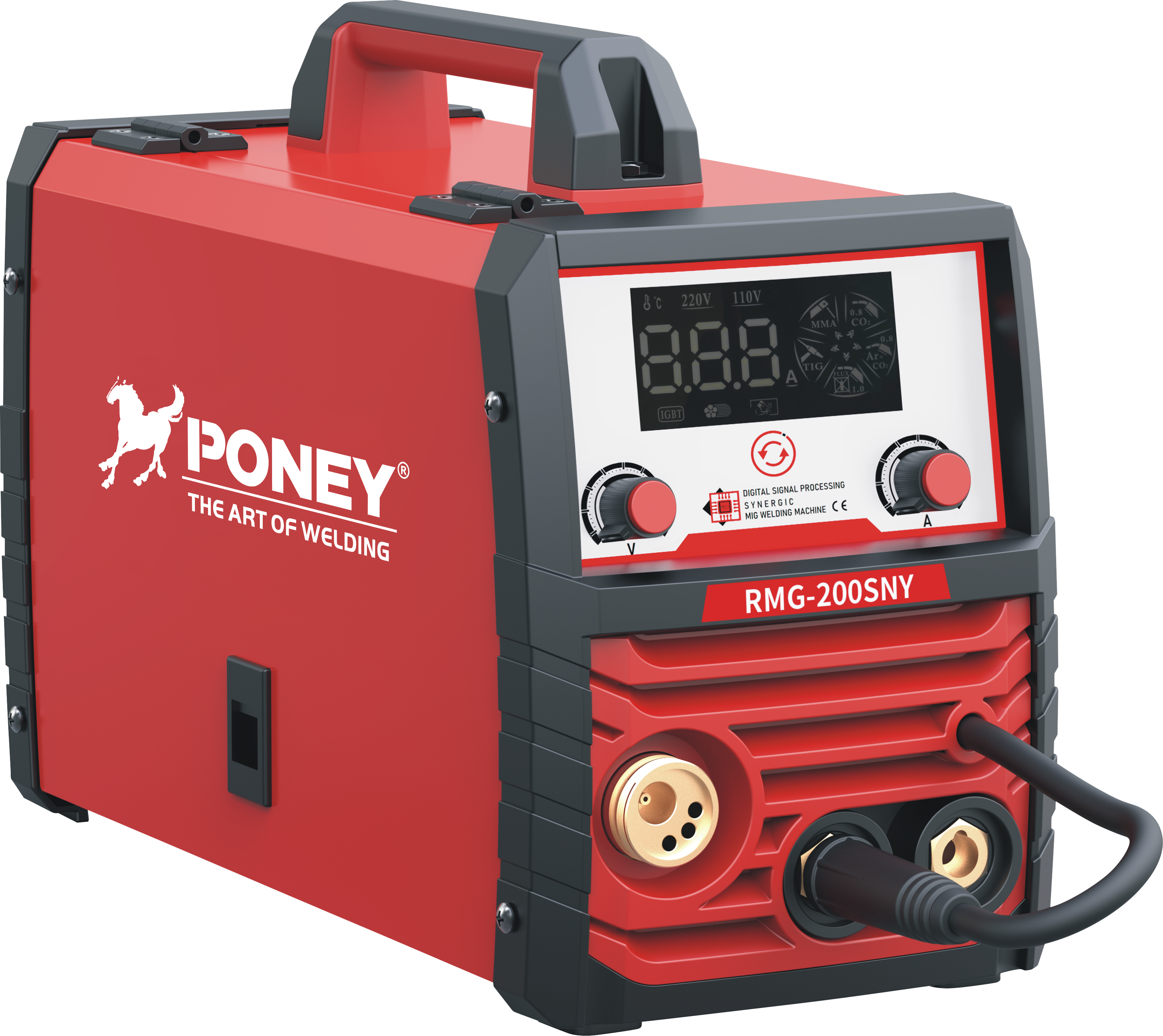
Understanding how waveforms in pulse mig welder technology directly influence spatter reduction is crucial for achieving superior weld quality and operational efficiency. The sophisticated control of electrical parameters through advanced waveform ma...
VIEW MORE
Welding thin metals presents unique challenges that traditional continuous arc welding methods often struggle to address effectively. When working with materials under 3mm thickness, excessive heat input can cause warping, burn-through, and inconsist...
VIEW MORE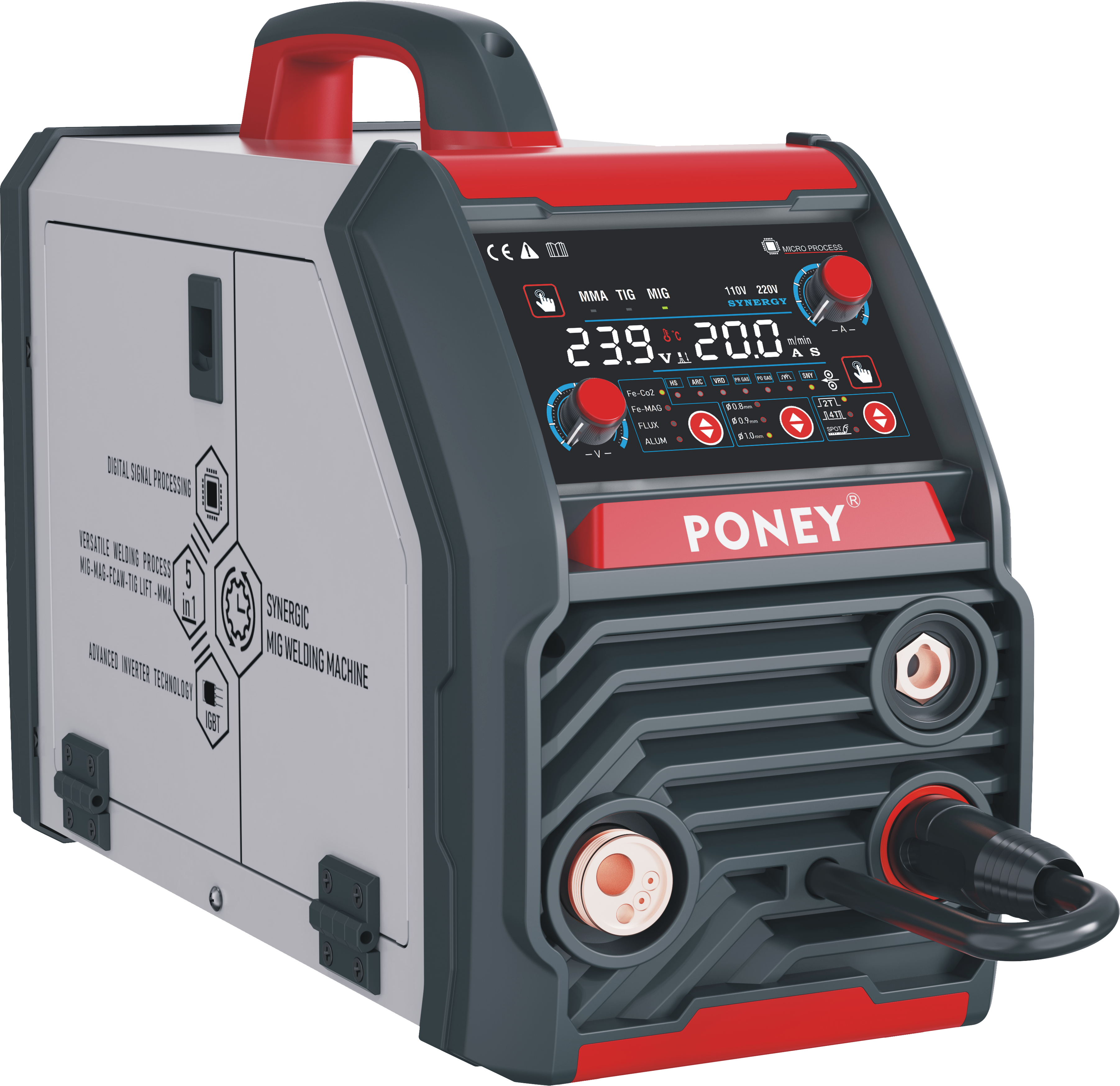
Precision fabrication environments demand welding systems that deliver consistent, high-quality results while maintaining strict control over heat input and material properties. In these demanding applications, traditional continuous welding methods ...
VIEW MORE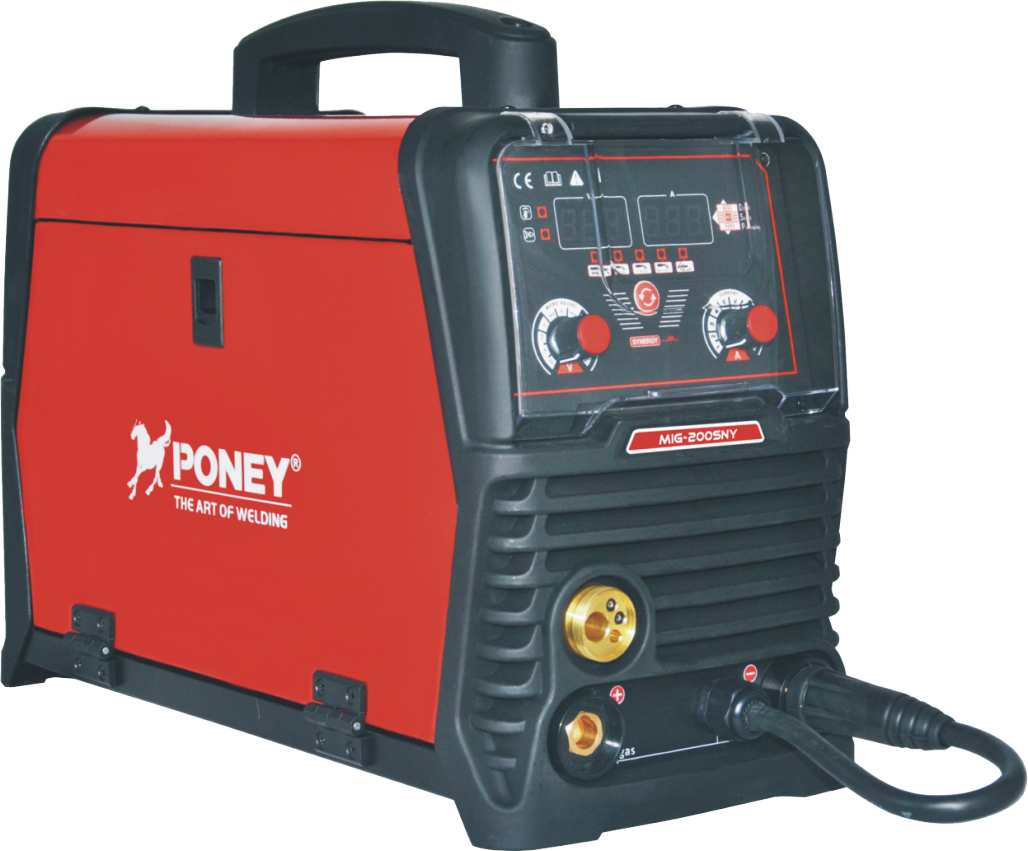
The fundamental differences between gas welder and electric welding systems extend far beyond their power sources, creating distinct skill requirement profiles that every welding professional must understand. These differences stem from the unique op...
VIEW MORE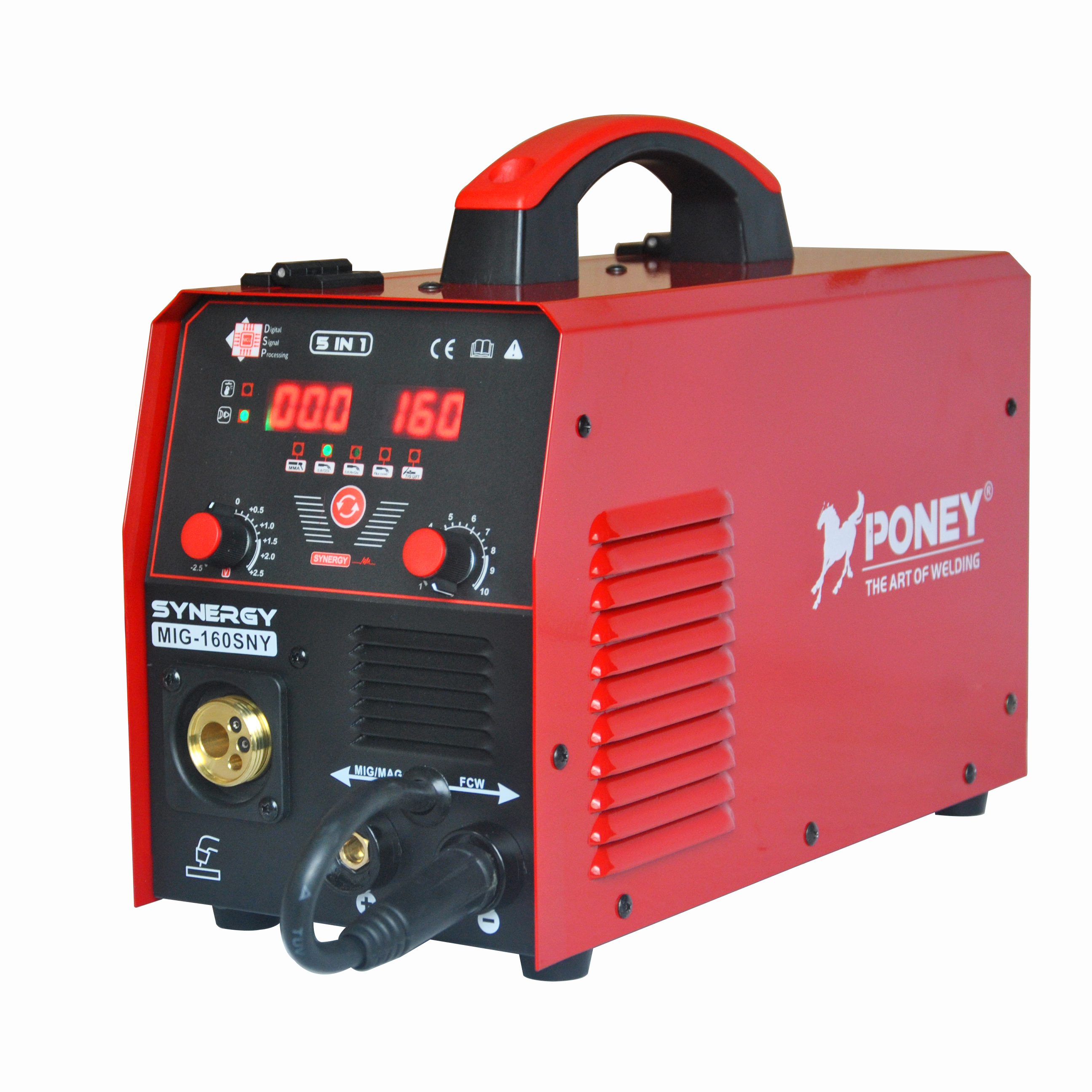
When operating a mig welder across different material thicknesses, welders encounter a complex set of challenges that can significantly impact weld quality, productivity, and overall project success. These challenges stem from the fundamental physics...
VIEW MORE
Parameter tuning in mig welder operations represents one of the most critical factors determining productivity outcomes in modern metal fabrication environments. When welders understand how voltage, amperage, wire feed speed, and gas flow settings in...
VIEW MORE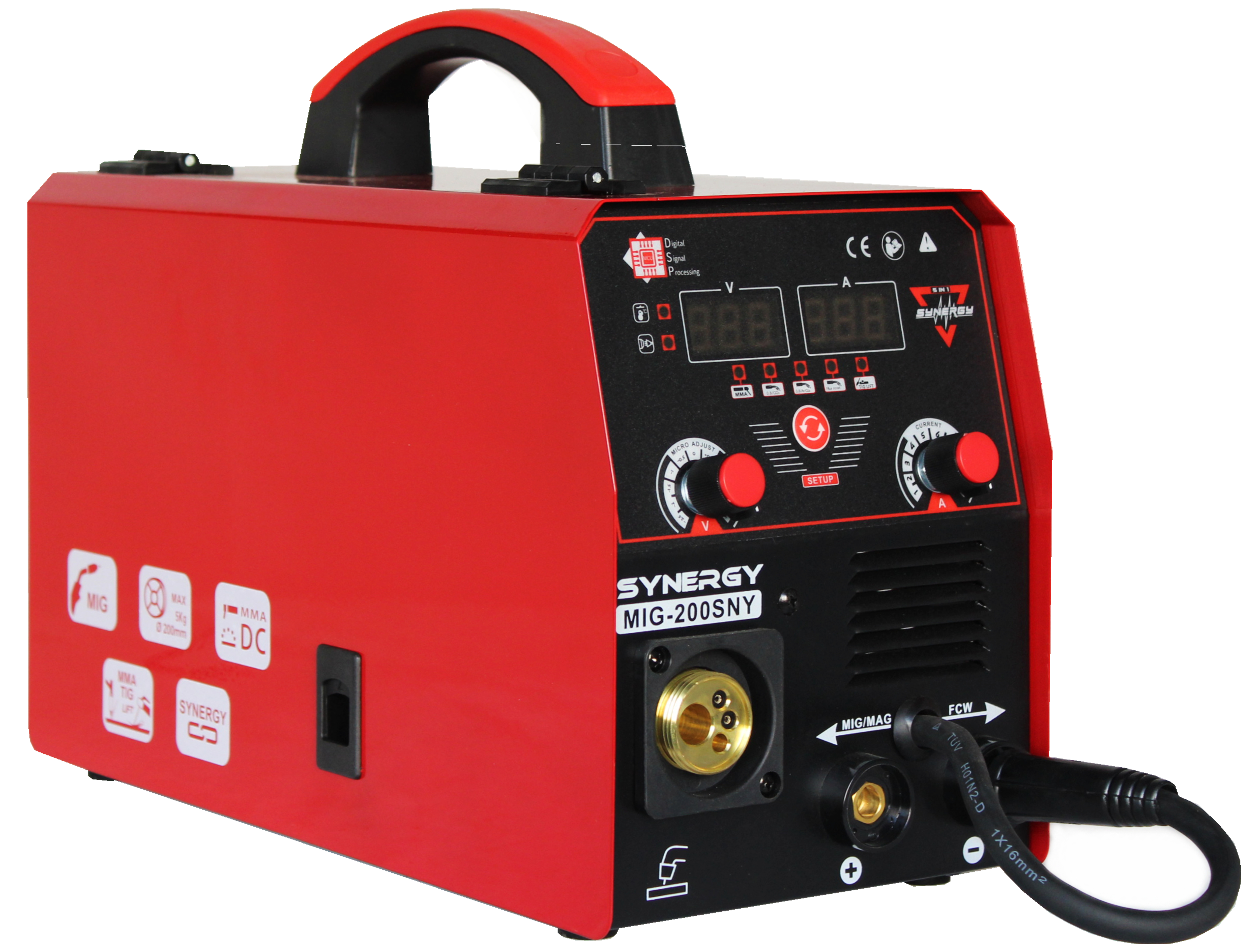
Under continuous industrial workloads, a mig welder experiences significant performance changes that directly impact production efficiency, weld quality, and operational reliability. These performance variations stem from thermal stress, duty cycle l...
VIEW MORE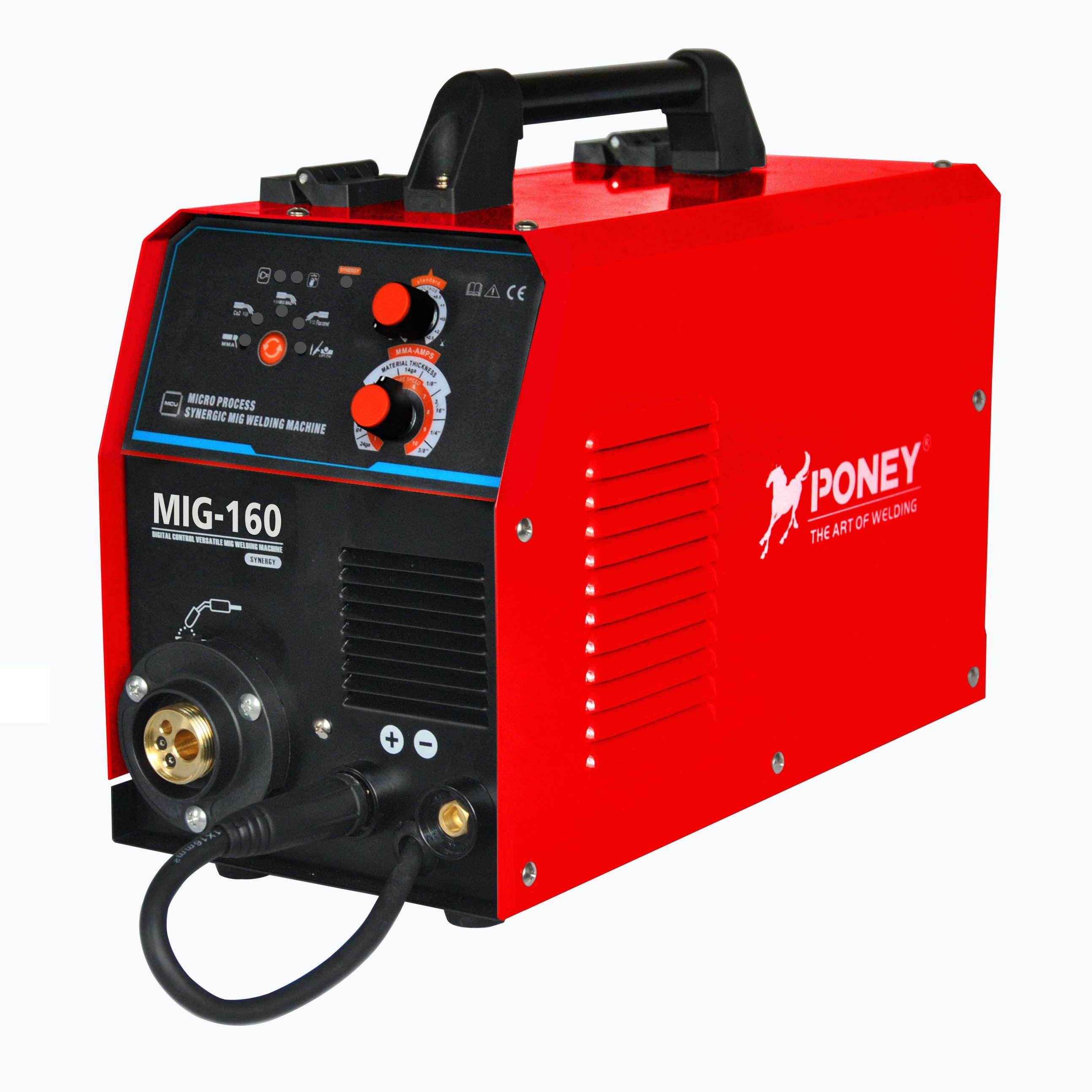
Electric welder efficiency plays a pivotal role in determining the long-term operating costs of welding operations, particularly in industrial environments where equipment runs for extended periods. Understanding how energy consumption, duty cycle pe...
VIEW MORE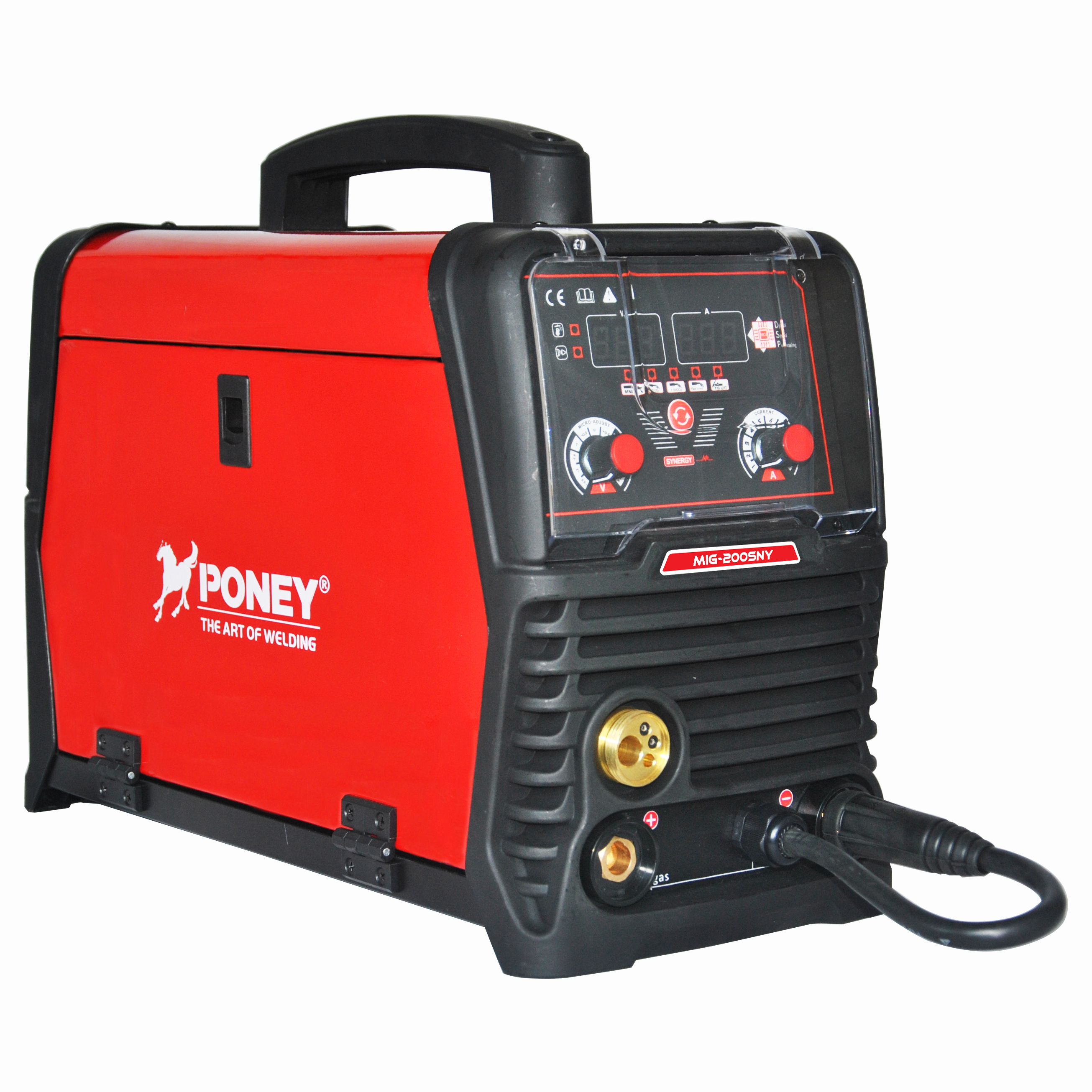
Operating an electric welder in environments with unstable power supply presents unique challenges that require specialized equipment features and engineering solutions. Understanding what distinguishes these welders from standard units becomes criti...
VIEW MORE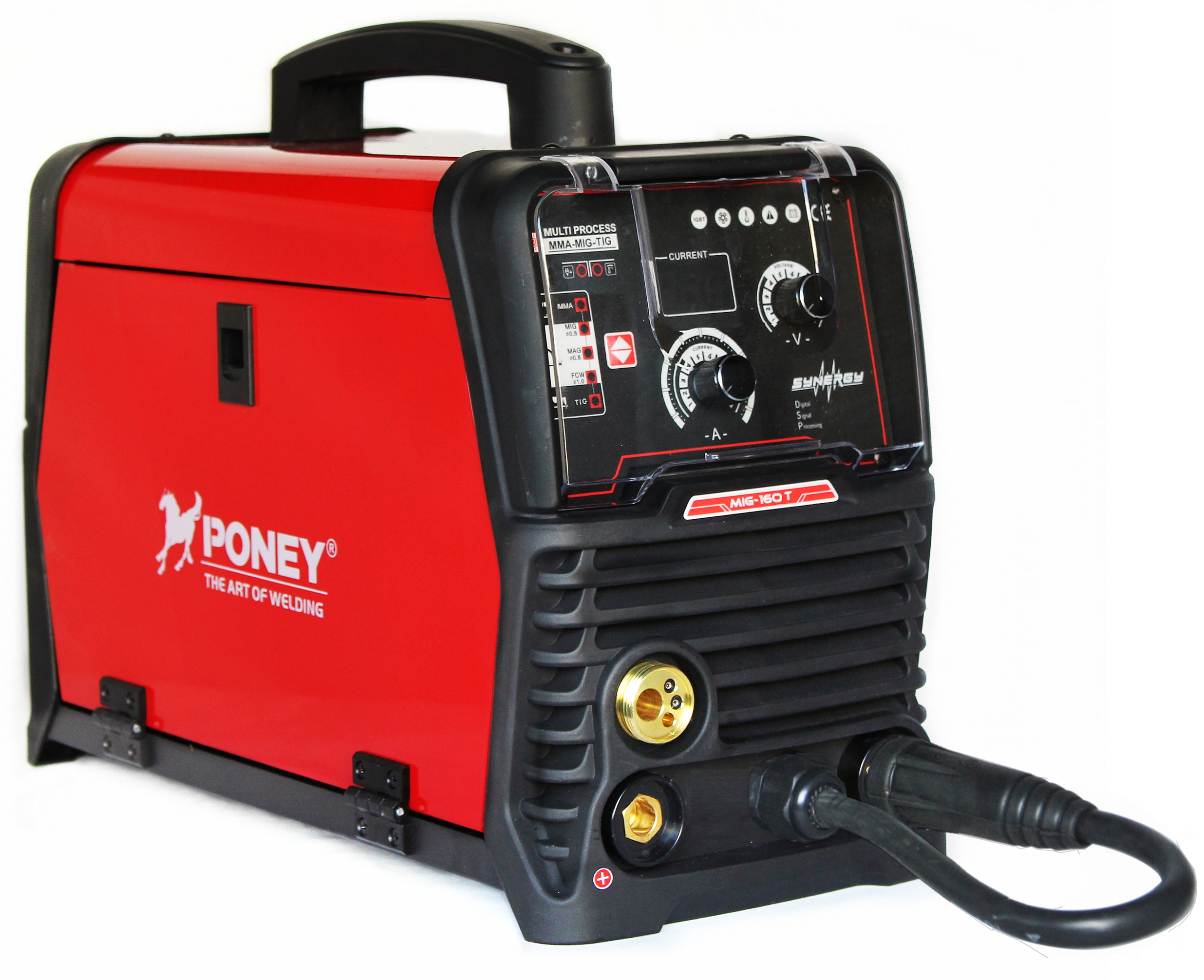
Electric welder output stability represents one of the most critical factors determining the quality of welding operations across industrial applications. When an electric welder maintains consistent power delivery throughout the welding process, it ...
VIEW MORE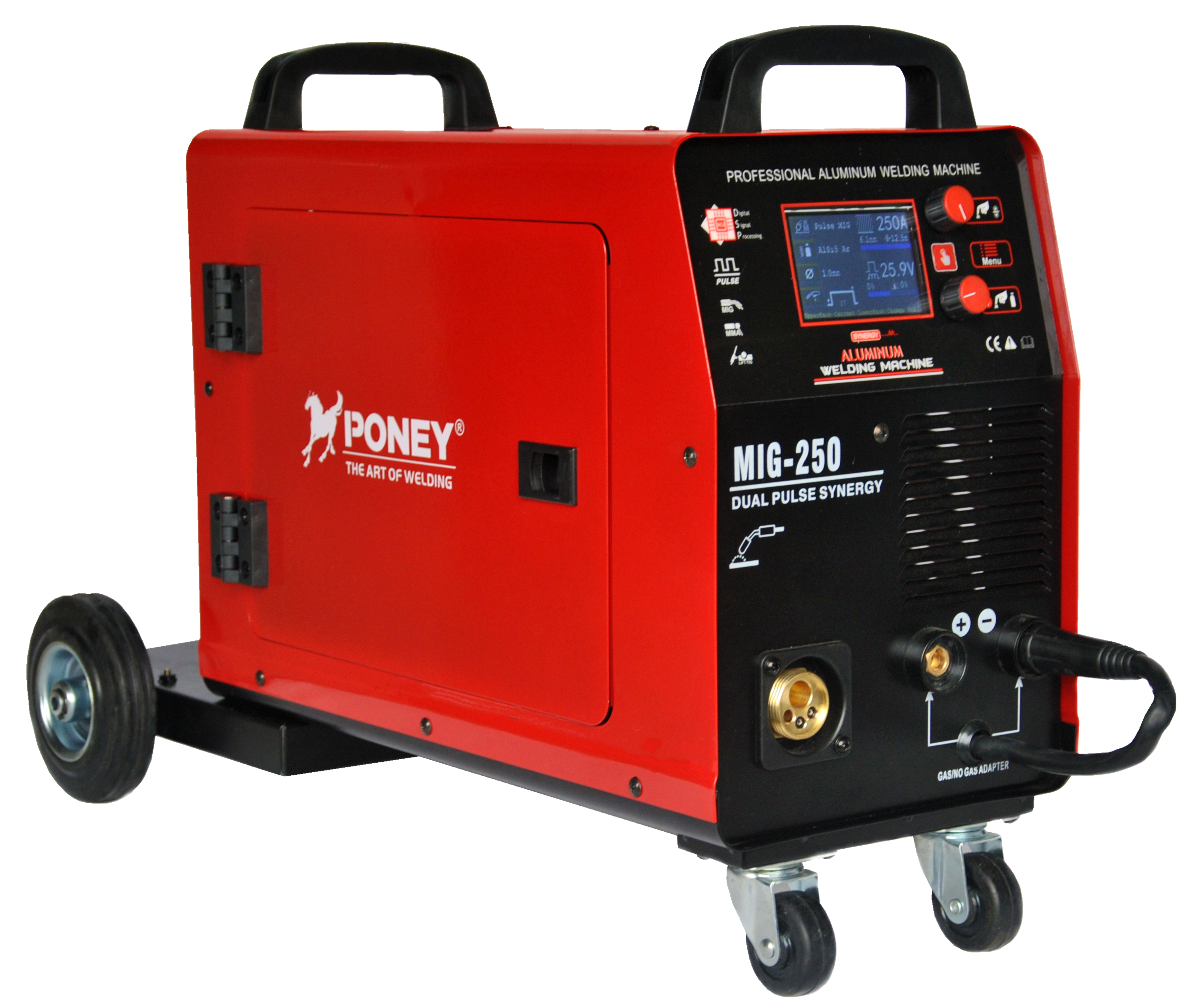
Selecting a welder for mixed material applications presents unique challenges that demand careful consideration of multiple technical factors. Unlike single-material welding scenarios where equipment selection follows established patterns, mixed mate...
VIEW MORE
PONEY Limited is a professional manufacturer of MIG, MMA, and TIG welding machines, air plasma cutting machines, and car battery chargers. Established in 2009 in Taizhou, we provide integrated production, advanced R&D, and certified quality management systems to deliver reliable industrial equipment for global partners.
Address: 493#, Xiazhaiwu village , Shiqiaotou town , Wenling city , Zhejiang province . China
Copyright © 2026 ZHEJIANG PONEY ELECTRIC CO.,LTD. All rights reserved. Privacy Policy